
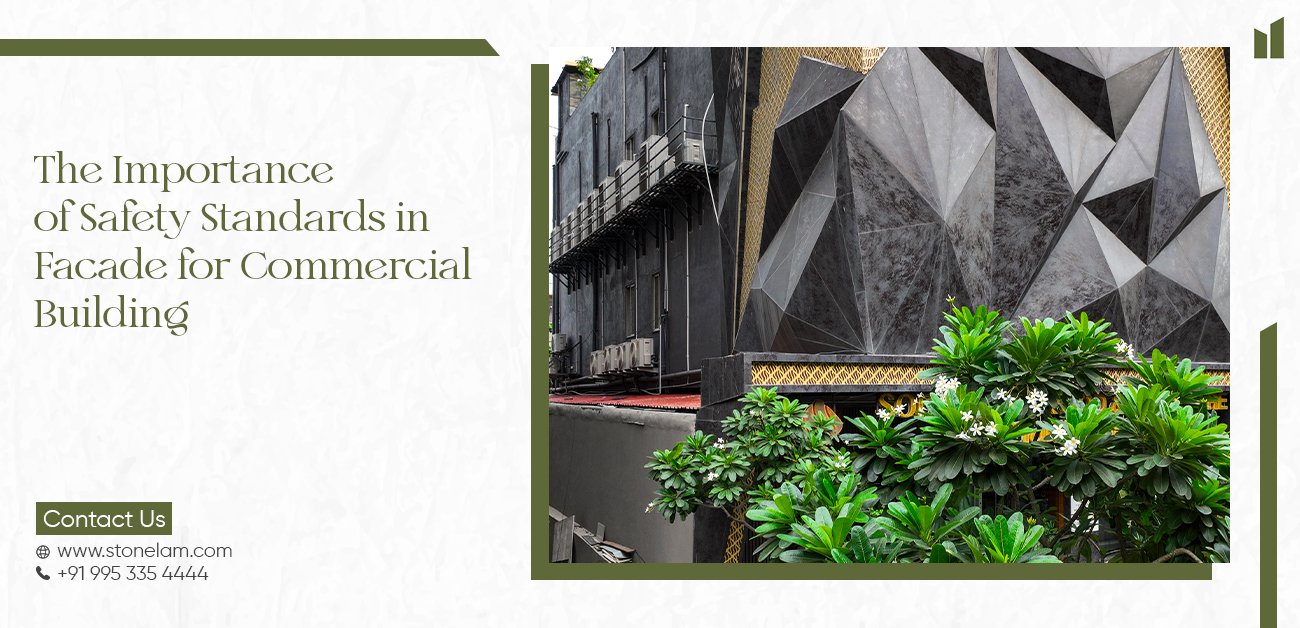
The Importance of Safety Standards in Facade for Commercial Building
When people look at a commercial building, the first thing they notice is the outer structure. It creates the first impression and defines the overall identity of the space. But beyond style and design, the real strength of a Facade for Commercial Building lies in safety.
A beautiful facade can attract attention, but a safe facade protects lives, reduces risk, and keeps a building strong for many years. Ignoring safety standards can lead to serious problems that affect businesses, visitors, and property owners.
Here Is the Main Safety Standards in Facade Design
1. Fire Safety and Facade Systems
Fire safety is one of the most important parts of facade planning. In modern commercial projects, large glass panels, cladding systems, and even advanced materials like Porcelain slab are widely used due to their strength and clean finish.
While these materials offer durability and design flexibility, they must follow fire safety rules and proper installation methods to perform safely. Using tested materials with valid certifications helps reduce risk. Fire resistant insulation, safe joint sealing, and correct panel spacing also play a key role. Regular inspection and maintenance further ensure that the facade continues to meet safety requirements over time.
2. Protection Against Water and Weather
Water leakage is a silent problem in many commercial buildings. Poor facade design allows moisture to enter walls, which can damage interiors, electrical systems, and insulation. Safety standards focus on proper sealing methods, drainage channels, expansion joints, and waterproof barriers.
When water control is carefully planned, buildings remain strong and maintenance costs stay under control. Protection against harsh sunlight, heavy rain, dust, and pollution is also important. A well designed facade acts as a shield, keeping the internal structure safe and stable for years.
3. Energy Efficiency and Indoor Safety
A safe facade also improves indoor comfort. Proper insulation and high quality glazing help reduce heat gain and maintain steady indoor temperatures. This lowers energy use and creates a comfortable workspace for employees and visitors.
Modern facade systems combine safety with performance. Smart ventilation systems, shading devices, and balanced material selection help control natural light and airflow. These features not only improve efficiency but also support a healthy indoor environment.
4. Structural Strength and Wind Resistance
Tall commercial buildings face strong wind pressure and constant environmental stress. The facade must be designed to handle these forces without cracking, loosening, or breaking. Proper anchoring systems and structural testing are necessary to ensure long term stability.
High performance materials such as porcelain slab panels are often chosen for modern exteriors because they provide strength, low water absorption, and resistance to temperature changes. A weak facade may look fine in the beginning but can become unsafe after years of exposure to weather conditions.
READ ALSO: Key Tips for Planning Front Elevation Design in Commercial Buildings
Final Thoughts
Many people focus only on appearance while planning a facade, but safety is the true base of smart design. When safety standards guide material selection, installation, inspection, and maintenance, the building performs better and lasts longer.
A strong Facade for Commercial Building does more than enhance visual appeal. It protects people, supports energy efficiency, and ensures structural stability. Ignoring these details means missing the real purpose of modern commercial architecture and long term value.








0 Comments