

Role of AI in Private Credit
Private credit is scaling rapidly, but growth has come with a new level of operational complexity. Portfolios are larger, deal structures are more bespoke, and expectations around transparency, reporting, and risk oversight continue to rise.
As a result, AI for private credit is moving beyond experimentation and becoming an increasingly important operational capability. From borrower reporting to portfolio monitoring and leverage facility management, artificial intelligence can help private credit firms manage scale without sacrificing control.
The Rise of AI in Private Credit Operations
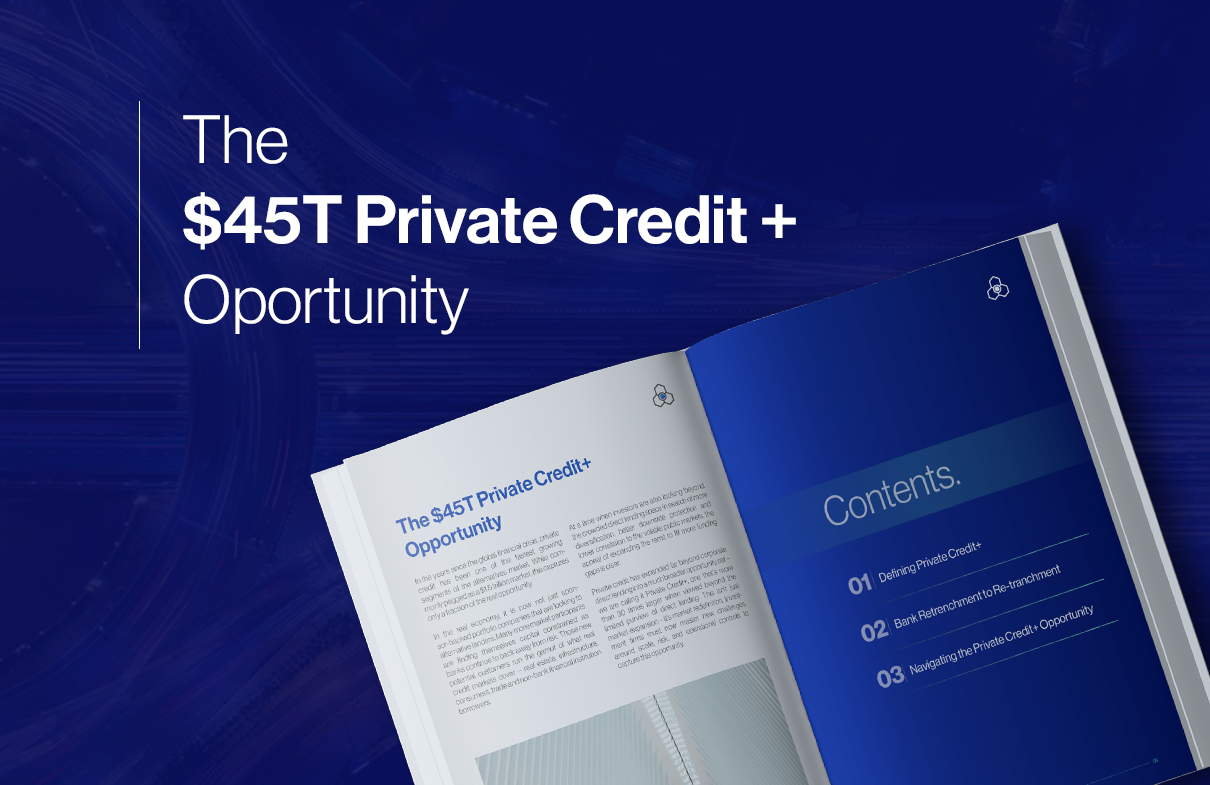
Private credit teams today manage far more than loan performance. They oversee continuous streams of borrower financials, covenant calculations, compliance certificates, portfolio analytics, and lender reporting—often across multiple strategies, geographies, and structures.
Traditional tools such as spreadsheets and generic systems struggle to handle this level of variability and volume. Manual processes create bottlenecks, increase operational risk, and limit the ability to scale efficiently.
AI helps address these challenges by automating data‑intensive workflows while improving consistency and visibility. Increasingly, AI is being embedded directly into private credit technology platforms, enabling teams to ingest, validate, and analyze large volumes of information as part of their day‑to‑day operations.
Key AI Use Cases in Private Credit
AI adoption in private credit is most effective when it focuses on practical, workflow‑driven use cases rather than abstract analytics.
Intelligent data ingestion and validation
Borrower reporting often arrives in unstructured or semi‑structured formats—PDFs, spreadsheets, scanned documents, and narrative reports. AI can help automate extraction and normalization of this data, reducing manual effort and improving accuracy. When combined with rule‑based validations, teams gain greater confidence that downstream reporting and monitoring is built on reliable inputs.
Agreement intelligence and term structuring
Private credit agreements are highly customized, with deal‑specific covenants and reporting requirements. AI can help identify and extract key terms from legal documentation, converting unstructured text into structured data that can be monitored more consistently across portfolios.
AI‑assisted reporting
Reporting remains one of the most time‑consuming aspects of private credit operations. Generative AI can help accelerate the creation of portfolio summaries, internal memos, and lender‑facing reports—allowing investment professionals to focus more on analysis and decision‑making rather than manual drafting.
Search and discovery across portfolio data
AI‑powered search capabilities allow teams to query large document repositories and datasets using natural language. This can significantly reduce the time required to locate historical information, agreement clauses, or borrower details scattered across multiple systems.
AI in Portfolio Monitoring
Portfolio monitoring is one of the areas where AI can deliver immediate operational value.
Exception‑based oversight
Rather than reviewing every borrower submission manually, AI can help flag anomalies, trend deviations, or early warning signals—such as declining covenant headroom or unexpected changes in financial performance. This enables teams to prioritize attention on higher‑risk exposures.
Scalable covenant monitoring
As portfolios grow and deal terms become more bespoke, maintaining consistency in covenant calculations becomes increasingly difficult. AI‑supported monitoring can improve standardization and timeliness, reducing the risk of missed breaches or delayed escalation.
Aggregated risk visibility
AI can help aggregate risk across borrowers, sectors, sponsors, and structures, giving investment teams a clearer view of portfolio concentration and emerging vulnerabilities.
Modern private credit platforms—such as Oxane Panorama—are designed to unify portfolio data and monitoring workflows, making it easier to maintain control as portfolios scale, without relying on fragmented tools or manual reconciliations.
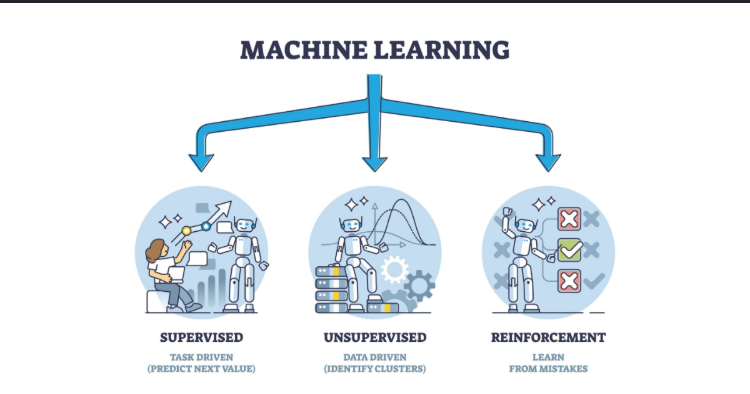
Machine Learning for Portfolio Optimization
Beyond monitoring, machine learning can play a growing role in forward‑looking portfolio management.
Early risk signals
Machine learning models can help surface patterns associated with credit deterioration by analyzing historical and real‑time data. These insights can support prioritization and proactive portfolio review—without replacing credit judgment.
Portfolio construction and concentration management
ML‑driven scenario analysis can help firms evaluate how portfolios might perform under different macroeconomic or sector‑specific conditions. This supports more informed allocation decisions and concentration controls.
Asset–liability awareness
As leverage facilities become more common in private credit strategies, portfolio decisions increasingly affect liquidity, borrowing base availability, and covenant headroom. Integrating AI insights across assets and liabilities can help firms better understand these interdependencies.
Some private credit platforms, including those built by specialists like Oxane, reflect this reality by supporting both investment portfolios and leverage facilities within a single operating environment.
Compliance and Leverage Facility Management
Private credit operations are heavily documentation‑driven, and errors can have significant consequences. AI strengthens compliance frameworks by introducing automated checks and validations across workflows.
AI can help:
- Flag missing or late borrower submissions
- Identify inconsistencies across financial reports and source data
- Detect unusual patterns that may indicate errors or emerging risk
- Support audit‑ready processes with clear traceability
These capabilities are particularly valuable in direct lending leverage facility management, where frequent reporting, tight timelines, and lender scrutiny leave little margin for manual error. Automation and validation can help teams meet lender expectations while supporting faster execution.
Challenges in Adopting AI for Private Credit
Despite its benefits, AI adoption in private credit must be approached thoughtfully.
Data quality and governance
AI outcomes depend on reliable, well‑structured data. Firms must pair automation with strong data governance and validation processes to ensure accuracy and consistency.
Explainability and trust
Investment professionals need to understand why AI highlights a risk or flags an exception. Transparent outputs and clear audit trails are essential for building trust and encouraging adoption.
Stakeholder expectations
Even in less prescriptive regulatory environments, investors, lenders, and auditors increasingly expect robust controls and consistent reporting. AI must operate within well‑defined governance frameworks.
Providers with deep private credit domain expertise—rather than generic AI vendors—are often better positioned to address these realities in practice.
The Future of AI in Private Credit

AI in private credit is moving toward deeper integration across the investment lifecycle. Rather than standalone tools, firms are adopting platforms where AI supports workflows end‑to‑end—from data intake and monitoring to analysis and reporting.
Key trends include:
- End‑to‑end AI‑enabled credit workflows
- Unified visibility across assets and leverage facilities
- Faster portfolio insights through intelligent search and analytics
- Greater automation combined with validation and auditability
Firms that succeed will treat AI not as an add‑on, but as part of their core operating model.
Conclusion
As private credit continues to scale, operational complexity is becoming a defining challenge. AI‑powered private credit technology offers a way to manage growing data volumes, strengthen monitoring, and support better decision‑making—without increasing operational risk.
By embedding AI into everyday workflows, private credit firms can move from reactive oversight to proactive portfolio management. Platforms such as Oxane Panorama illustrate how AI can be applied practically within private credit operations—supporting scale while maintaining control.
In the years ahead, AI will not replace credit professionals. But it will play a central role in determining which firms are able to grow efficiently and compete in an increasingly complex private credit landscape.







0 Comments