
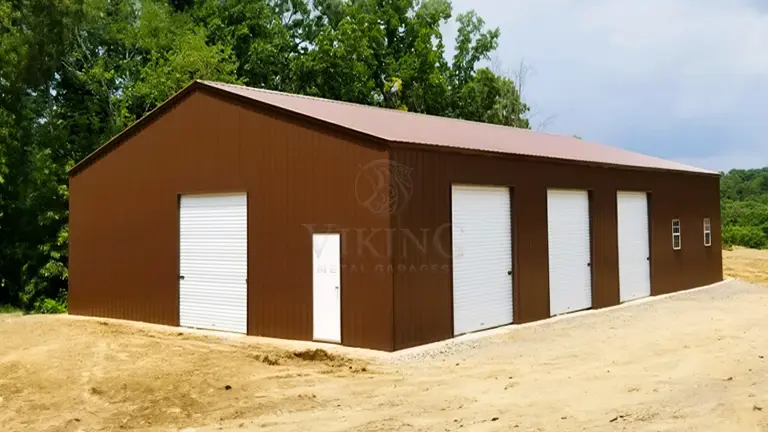
Metal Workshop Garage Ideas for Efficient Workspaces
A well-designed workshop can completely change the way you work. Whether you build furniture, repair vehicles, create crafts, or run a small business, the environment around you directly affects productivity. A cluttered, poorly planned workspace leads to wasted time, frustration, and safety risks. On the other hand, an efficient workspace feels open, organized, and easy to move around.
Steel workshop garages have become a popular choice for creating efficient workspaces because they are strong, flexible, and easy to customize. Unlike traditional structures, metal garages allow homeowners and professionals to design layouts that match their specific work style.
In this blog, we will explore five major categories of prefab workshop garage ideas that help create efficient workspaces. These ideas focus on space planning, storage, layout structure, and comfort. Together, they form a complete approach to building a workshop that truly works for you.
1. Space Planning Ideas That Improve Workflow
Good workflow begins with smart space planning. If tools, materials, and work areas are scattered randomly, even a large workshop can feel cramped. When space is planned correctly, tasks feel smoother and require less effort.
Understanding Work Zones
Dividing your workshop into clear zones is one of the most effective ways to improve efficiency. A tool zone keeps hand tools and power tools in one area. An assembly zone provides space for building or repairing items. A storage zone holds raw materials, spare parts, and supplies.
When each zone has a purpose, you spend less time searching and more time working. For example, keeping cutting tools near the assembly area reduces unnecessary movement. Clear zoning also prevents clutter from spreading across the workspace.
Choosing the Right Garage Size for Your Work Type
The type of work you do determines how much space you need. A small hobby workshop may only require a compact garage. Automotive or fabrication work usually needs more floor space and higher ceilings.
It is important to think about both current and future needs. If you plan to add equipment later, extra space now can save money in the long run. A slightly larger workshop also allows better spacing between zones, which improves safety and comfort.
Clear Pathways and Movement Flow
Efficient workshops have clear walking and rolling paths. You should be able to move from one zone to another without obstacles. Wide pathways allow carts, toolboxes, or large materials to pass easily.
Avoid placing large equipment in the middle of traffic areas. Instead, position heavy machines along walls or in dedicated corners. Smooth movement flow reduces fatigue and helps work feel more natural.
2. Smart Storage Ideas That Reduce Clutter
Clutter is one of the biggest enemies of efficiency. Smart storage solutions keep everything visible, accessible, and organized.
Wall-Based Storage Systems
Using wall space is a powerful way to save floor space. Pegboards allow you to hang frequently used tools where they are easy to see and grab. Wall racks can hold long tools such as pipes, clamps, or lumber.
When tools are stored vertically, you avoid digging through drawers or boxes. This reduces frustration and saves time.
Overhead and Vertical Storage
Vertical space near the ceiling is often wasted. Installing overhead racks allows you to store items that are used less often. Seasonal tools, extra materials, and backup equipment are good candidates for overhead storage.
Tall shelving units also make use of vertical space. This approach keeps the floor open while increasing storage capacity.
Cabinet and Drawer Organization
Cabinets protect tools from dust and moisture. Drawers with dividers help separate small parts such as screws, nails, and fittings.
Labeling drawers and shelves improves organization. When everything has a defined place, cleanup becomes faster and easier.
3. Layout and Structural Ideas That Boost Productivity
The structure of your workshop garage plays a major role in how efficient it feels. Layout decisions affect access, visibility, and flexibility.
Open Floor Layouts vs Sectioned Layouts
Open floor layouts provide flexibility. Large open areas are ideal for moving big projects or vehicles. This layout works well for people who handle different types of projects.
Sectioned layouts use partitions or half walls to separate activities. For example, noisy equipment can be separated from clean assembly areas. This approach improves focus and safety.
Choosing between open and sectioned layouts depends on work style. Some workshops benefit from a mix of both.
Door Placement and Access Points
Doors should be positioned based on how materials and equipment enter and exit the workshop. Large roll-up doors work well for vehicles and machinery. Walk-in doors provide quick access without opening large doors.
Side doors can create separate entry points for different zones. This improves traffic flow and prevents congestion.
Ceiling Height and Vertical Utilization
High ceilings create a more open feeling and allow tall equipment, lifts, or overhead storage. Even if floor space is limited, height can add valuable working volume.
Vertical utilization also supports future upgrades. You may later install lifts, cranes, or mezzanine storage.
4. Comfort, Safety, and Environment Control Ideas
Efficiency is not only about layout and storage. Comfort and safety directly affect how long and how well you can work.
Lighting Design
Natural Lighting
Windows and skylights bring in daylight, reducing eye strain and electricity use. Natural light makes the workspace feel more pleasant and open.
Artificial Lighting
Bright LED fixtures provide consistent lighting. Task lights near workbenches improve precision. Even lighting throughout the workshop eliminates dark corners.
Ventilation and Temperature Control
Good airflow removes fumes, dust, and heat. Ventilation fans and roof vents help maintain air quality.
Insulation helps regulate temperature. In cold climates, heaters keep the workshop usable year-round. In hot climates, fans or exhaust systems reduce heat buildup.
Comfortable temperature improves focus and reduces fatigue.
Electrical Planning
Workshops often require multiple power outlets. Outlets should be placed near workbenches and equipment areas. Dedicated circuits for heavy machinery prevent overloads. Planning the electrical layout early avoids extension cords and clutter.
Safety-Oriented Design Choices
Fire extinguishers, first-aid kits, and clear emergency exits are essential. Non-slip flooring reduces accident risk. Keeping walkways clear and tools properly stored prevents trips and falls. A safe workspace is an efficient workspace.
5. Future-Proofing Ideas That Keep Your Workshop Efficient Long-Term
An efficient workspace is not just about today's needs. Over time, tools change, projects evolve, and equipment grows. A workshop that cannot adapt quickly becomes inefficient again. Future-proofing your metal workshop garage ensures that your space continues to support productivity for many years without major rebuilds.
Designing for Expansion
Metal workshop garages allow easy expansion in length or width. Planning for expansion during the initial design phase makes future upgrades simple. Leaving one side of the building clear or choosing modular framing allows additional bays to be added later. This prevents overcrowding as your workshop grows.
Flexible Interior Layouts
Instead of building permanent walls everywhere, use movable partitions, rolling cabinets, or modular shelving. This allows you to reconfigure your layout when project types change. A flexible interior keeps the workspace efficient without expensive remodeling.
Allowing Space for New Equipment
New machines often require more power, floor space, or ceiling clearance. Designing with extra electrical capacity, higher ceilings, and open floor zones ensures new equipment can be added without disruption. This forward-thinking approach saves money and downtime.
Upgrade-Friendly Electrical and Lighting Systems
Install electrical conduits that allow for new wiring later. Choose lighting systems that can be expanded easily. These small decisions make future improvements fast and affordable. Future-proofing transforms your metal workshop garage from a short-term solution into a long-term productivity asset.
The Bottom Line:
Creating an efficient metal workshop garage is about thoughtful planning, smart storage, flexible layouts, and comfortable working conditions. When these elements work together, the workshop becomes easier to use and more enjoyable.
By applying space planning ideas, reducing clutter with smart storage, designing productive layouts, and focusing on comfort and safety, you can transform a simple metal garage into a highly efficient workspace. An efficient workshop does not just improve productivity. It makes every project feel smoother, safer, and more satisfying.











0 Comments