
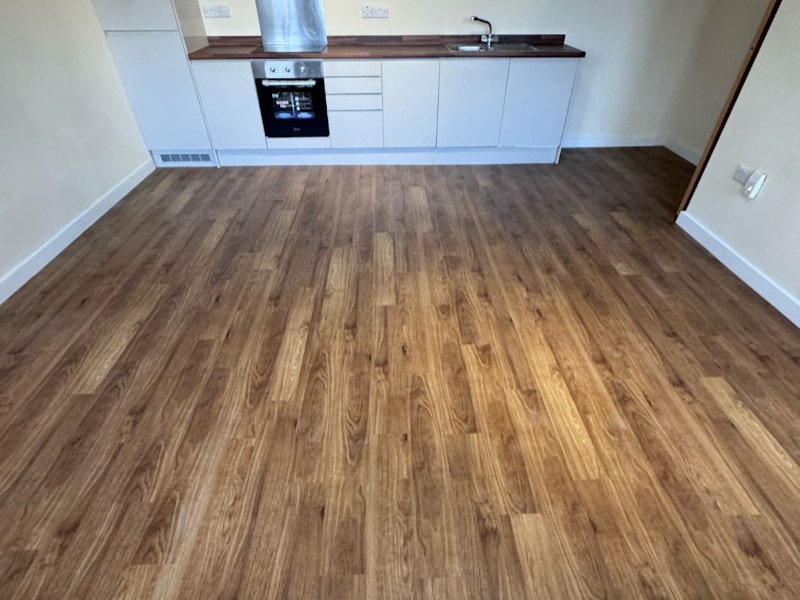
Main Types of Vinyl Flooring for Different Types of Surfaces:
Vinyl Flooring Walsall offers a practical and stylish solution for various types of surfaces, whether it’s a high-traffic office, a cozy kitchen, or a wet bathroom area. With advancements in vinyl technology, homeowners and designers now have multiple options to suit different surfaces and functional requirements.
Sheet Vinyl Flooring
Sheet vinyl is one of the oldest and most widely used types of vinyl flooring. It comes in large, continuous sheets that can be installed seamlessly over a surface. This makes it ideal for areas where moisture is a concern, such as bathrooms, kitchens, and laundry rooms.
Advantages
Seamless Design:
Minimal seams reduce the risk of water seepage and make cleaning easier.
Cost-Effective:
Sheet vinyl is generally more affordable compared to luxury vinyl options.
Durable:
Resistant to water and stains, making it suitable for wet surfaces.
Best Surfaces
Sheet vinyl works well on flat, smooth surfaces such as concrete or plywood subfloors. Uneven surfaces should be leveled first to ensure proper installation and prevent bubbling.
Luxury Vinyl Planks (LVP)
Luxury Vinyl Planks mimic the look of hardwood flooring while providing the water resistance and durability of vinyl. They are designed to click together or glue down, providing a stable and long-lasting surface.
Advantages
- Aesthetic Appeal: Replicates the texture and appearance of natural wood.
- Moisture Resistant: Ideal for kitchens, basements, and bathrooms.
- Durable: Can withstand high foot traffic and household wear and tear.
Best Surfaces
LVP performs best on flat and dry subfloors. It can be installed over concrete, plywood, or existing vinyl surfaces, provided they are clean, smooth, and level.
Luxury Vinyl Tiles (LVT)
Luxury Vinyl Tiles are like LVP but come in square tiles that can mimic natural stone, ceramic, or terracotta. LVT is popular for areas where a high-end look is desired without the high cost or maintenance of natural materials.
Advantages
- Versatile Designs: Offers a wide range of colors, patterns, and textures.
- Durability: Resistant to scratches, stains, and moisture.
- Easy Installation: Can be installed by click-lock tiles or glued down.
- Best Surfaces
LVT is suitable for flat, firm surfaces such as concrete or underlayment boards. Surface preparation is essential to avoid uneven tiles and gaps between seams.
Click-Lock Vinyl Flooring
Click-lock vinyl flooring is a floating floor system that snaps together without adhesive. This type of vinyl is extremely user-friendly and popular among DIY enthusiasts.
Advantages
- Quick Installation: No glue or nails required.
- Reusable: Can be disassembled and reused in new spaces.
- Flexible: Adapts to slight imperfections in subfloors.
- Best Surfaces
Click-lock vinyl works best on smooth, flat surfaces, including existing flooring like tile or laminate. Minor subfloor imperfections are acceptable, but larger dips or bumps must be leveled.
Glue-Dow n Vinyl Flooring
Glue-down vinyl flooring is installed using adhesive, ensuring that the vinyl is firmly attached to the subfloor. This method provides superior stability and is ideal for commercial spaces with heavy foot traffic.
Advantages
- Strong Bond: Prevents shifting or buckling over time.
- Durable: Suitable for high-traffic areas and heavy furniture.
- Wide Range of Designs: Available in both planks and tiles.
Best Surfaces
Glue-down vinyl requires a smooth, dry, and level subfloor such as concrete, cement backer board, or plywood. Proper surface preparation is crucial to avoid adhesive failure and uneven surfaces.
Self-Adhesive Vinyl Flooring
Self-adhesive vinyl, also called peel-and-stick, is ideal for small projects or temporary installations. Each piece has a sticky backing that adheres directly to the subfloor.
Advantages
- DIY-Friendly: Simple to install without professional help.
- Cost-Effective: Lower cost compared to glued or luxury vinyl options.
- Flexible Applications: Can be used in small areas like bathrooms, closets, or laundry rooms.
Best Surfaces
Self-adhesive vinyl requires smooth, clean, and dry surfaces for the adhesive to bond properly. Concrete, smooth wood, or existing vinyl are ideal, while rough or porous surfaces may reduce adhesion.
Choosing the Right Vinyl Flooring for Your Surface
When selecting vinyl flooring, it’s important to consider:
Surface Type:
Ensure the subfloor is smooth, dry, and level.
Moisture Levels:
For wet areas, sheet vinyl or waterproof LVP/LVT is ideal.
Traffic:
High-traffic areas benefit from glue-down or luxury vinyl options.
Aesthetic Goals:
Consider textures and designs to match the space’s interior style.
Conclusion:
Vinyl Flooring Solihull offers unmatched versatility for various surfaces, combining durability, style, and practicality. From cost-effective sheet vinyl to luxurious LVP and LVT, there is a solution for almost every room and surface type. By understanding the main types of vinyl flooring and their compatibility with different surfaces, homeowners and businesses can make informed decisions that enhance both the functionality and aesthetics of their space. Proper surface preparation and choosing the right vinyl type ensure long-lasting performance, easy maintenance, and a beautiful finish for years to come.





0 Comments