
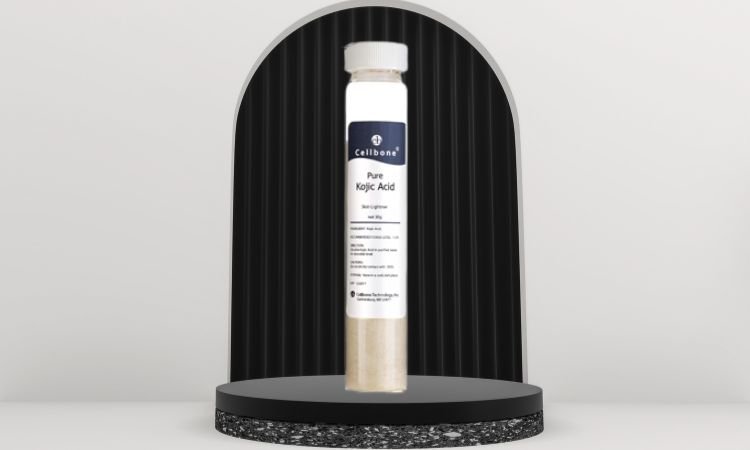
Kojic Acid Powder Uses and Results Explained Simply
Fading dark spots isn’t usually about finding more products. It’s about using the right ingredient in the right way. That’s why kojic acid powder keeps showing up in serious skincare routines, even if it doesn’t get the same hype as newer trends. It’s a well-studied ingredient that’s been relied on for years to help improve uneven tone, discoloration, and stubborn pigmentation.
In this guide, we’ll walk through what kojic acid powder actually does, how it’s typically used, and what realistic results look like over time. You’ll also learn who should use it, who should be cautious, and how to avoid common mistakes.
What Is Kojic Acid Powder?
Kojic acid is a naturally derived compound produced during the fermentation of rice and certain fungi. In skincare, it’s valued for one main reason: it helps slow down excess melanin production. Melanin is what gives skin its color, but when it’s produced unevenly, it leads to dark spots, patches, and discoloration.
When used in powder form, kojic acid allows for flexible formulation. It’s often mixed into serums, creams, soaps, or masks at controlled concentrations. This makes it popular with professionals and experienced DIY formulators who want precision.
What makes it different from harsher brightening agents is that it targets pigmentation at the source rather than aggressively stripping the skin.
How Kojic Acid Powder Works on Skin
At a biological level, kojic acid interferes with tyrosinase, an enzyme essential for melanin production. When tyrosinase activity is reduced, the skin gradually produces less pigment in overactive areas.
This process is gradual, not instant. That’s important. Kojic acid isn’t a bleach and doesn’t “erase” spots overnight. Instead, it helps skin normalize over time, which is why results look more natural when compared to harsher treatments.
Most users notice changes in clarity and tone before dramatic lightening happens. Skin often looks more even first, then brighter.
Common Uses of Kojic Acid Powder
Kojic acid powder is commonly used to address hyperpigmentation-related concerns rather than overall skin lightening. In real-world routines, people use it for:
- Dark spots from acne or sun exposure
- Melasma and uneven patches
- Age spots and freckles
- Post-inflammatory hyperpigmentation
- Dull, uneven skin tone
Because it works gradually, it’s often paired with ingredients like niacinamide, alpha arbutin, or gentle exfoliants to support results.
What Results Can You Actually Expect?
This is where expectations matter. Kojic acid rewards consistency, not impatience.
Short-Term (2-4 weeks)
Skin may look clearer and more balanced. Some people notice a subtle brightness or smoother tone early on.
Mid-Term (6-8 weeks)
Dark spots begin to fade slowly. The contrast between pigmented and non-pigmented areas softens.
Long-Term (8-12+ weeks)
With consistent use and sun protection, visible pigmentation is often significantly reduced.
Here’s a simple breakdown of typical results:
Timeframe | What Most Users Notice |
2-4 weeks | Improved clarity, mild brightness |
6-8 weeks | Gradual fading of dark spots |
12 weeks+ | More even tone, reduced pigmentation |
How to Use Kojic Acid Powder Safely
Kojic acid is effective, but it’s not something to eyeball or overuse. Concentration matters. Most topical formulas use between 0.5% and 2%.
If you’re mixing it yourself, accuracy is critical. Too much can irritate the skin, especially for beginners. Many people prefer products where the formulation is already balanced.
A few practical guidelines:
- Always patch test before full use
- Use sunscreen daily while using kojic acid
- Avoid combining with strong exfoliants at first
- Start with lower concentrations and build slowly
Kojic acid works best when your skin barrier is healthy, not compromised.
Who Should and Shouldn’t Use Kojic Acid Powder
Kojic acid suits many skin types, but it’s not universal.
Good candidates include:
People with sun damage, acne marks, uneven tone, or melasma who want gradual improvement without aggressive treatments.
Use caution if you have:
Very sensitive skin, eczema, rosacea, or an impaired barrier. In these cases, professional guidance is smart.
If irritation occurs, stopping use usually resolves it quickly.
How Kojic Acid Fits Into a Larger Skincare Routine
Kojic acid is rarely used alone. It’s typically part of a routine focused on repair and balance.
Many people pair brightening treatments with nourishing products later in their routine. For example, using a restorative moisturizer or even a fish collagen powder supplement internally can support skin elasticity and overall appearance while topical treatments handle pigmentation externally.
This inside-out approach doesn’t speed up kojic acid directly, but it often improves overall skin quality, making results look better and more even.
Mistakes People Make With Kojic Acid
The most common issue is overuse. Applying too often or at high concentrations doesn’t speed results. It usually just causes irritation, which can worsen pigmentation.
Another mistake is skipping sunscreen. UV exposure undoes progress fast. Brightening treatments and sun protection go hand in hand.
Conclusion
Kojic acid powder isn’t a miracle ingredient, but it is a reliable one. When used correctly, it helps reduce pigmentation, even out skin tone, and improve overall clarity without harsh side effects. The key is patience, consistency, and smart pairing with supportive skincare and sun protection.
Frequently Asked Questions
How long does kojic acid powder take to work?
Most people see visible improvement within 6–8 weeks, with better results over time.
Is kojic acid safe for daily use?
Yes, when used at appropriate concentrations and paired with sunscreen.
Can kojic acid be used on sensitive skin?
It can, but starting slowly and patch testing is essential.
Does kojic acid permanently remove dark spots?
It reduces pigmentation, but sun exposure or inflammation can cause spots to return.
Does kojic acid lighten natural skin tone?
No. It targets excess pigment, not your natural skin color.


0 Comments