
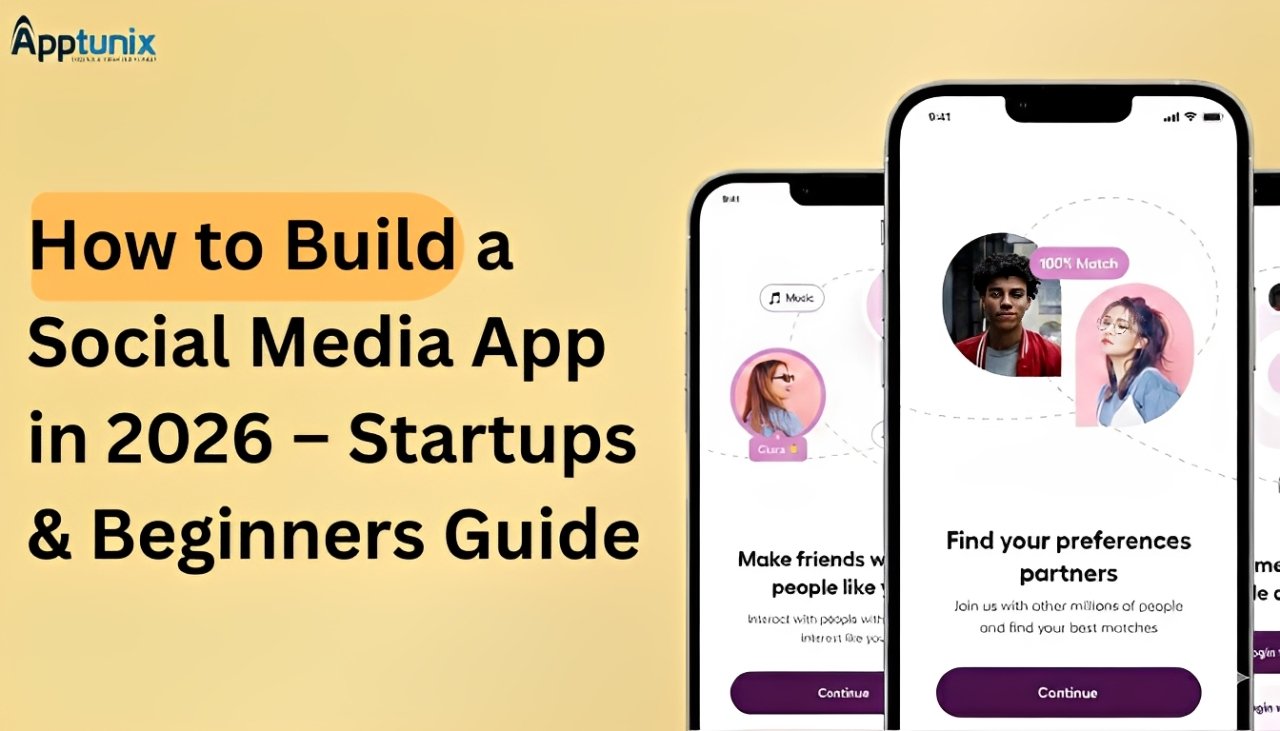
How to Build a Social Media App in 2026 – Startups & Beginners Guide
Social media apps have become a daily habit for billions of people. From sharing photos and videos to chatting, networking, and building communities, these apps play a huge role in modern life. In 2026, building a social media app is no longer just for big tech companies. Startups and beginners can also create successful platforms with the right planning, tools, and social media app development solutions.
This guide explains how to build a social media app step by step, using simple language and real-world logic. Whether you are a startup founder, entrepreneur, or someone exploring app development for the first time, this article will help you understand the full process from idea to launch.
What Is a Social Media App?
A social media app is a digital platform that allows users to create content, connect with others, communicate, and share information online. These apps can focus on photos, videos, messages, professional networking, or even niche communities.
Some social apps are built for entertainment, while others focus on business, education, or finance-related discussions. The core goal remains the same: help users interact and stay connected.
Step 1: Define Your App Idea Clearly
Before writing a single line of code, you need a clear idea.
Ask yourself:
Who is my target audience?
What problem does my app solve?
How is my app different from existing platforms?
You don’t need to compete with giant social networks. Many successful apps focus on specific niches, such as local communities, creators, professionals, or interest-based groups. A clear idea saves time, money, and confusion later in development.
Step 2: Choose the Type of Social Media App
There are different types of social media apps, and choosing the right one is important.
Common types include:
Social networking apps (profiles, friends, feeds)
Media-sharing apps (photos, videos, live streaming)
Messaging apps (one-to-one or group chats)
Community-based apps (forums, interest groups)
Professional or financial-focused apps
Some startups even combine social features with financial app development, allowing users to discuss investments, payments, or financial content safely.
Step 3: List Core Features First
You don’t need to build everything at once. Start with important features that users expect in a social media app.
Basic features include:
User sign-up and login
User profiles
News feed or content stream
Like, comment, and share options
Messaging or chat
Notifications
Privacy and security settings
Advanced features can be added later, such as live streaming, AI-based recommendations, or in-app payments. This approach is called an MVP (Minimum Viable Product), and startups widely use it.
Step 4: Design a Simple and Clean User Interface
A good design is not about flashy colours or animations. It’s about ease of use.
Your app should:
Be easy to navigate
Load quickly
Look clean and modern
Work smoothly on all screen sizes
Most users leave an app if it feels confusing or slow. Investing time in good UI and UX design improves engagement and retention.
Step 5: Choose the Right Technology Stack
The technology stack is the foundation of your app. It includes frontend, backend, database, and hosting services.
In 2026, popular choices include:
Cross-platform frameworks for faster development
Cloud-based servers for scalability
Secure databases for user data protection
APIs for chat, notifications, and media storage
If you are not technical, working with experienced social media app developers helps you choose the right tools without overcomplicating things.
Step 6: Develop the App (Frontend & Backend)
This is where your idea turns into a real product.
Frontend development handles what users see and interact with
Backend development manages servers, databases, security, and logic
Many startups choose to work with professional mobile app developers in London or other tech hubs because of their experience with scalable and secure app development.
At this stage, regular testing is important to fix bugs early.
Step 7: Focus on Security and Privacy
Security is critical for any social media app. Users trust you with their personal data, messages, and content.
Key security steps include:
Secure login systems
Data encryption
Content moderation tools
Privacy controls for users
If your app includes payment features or finance-related discussions, following best practices from financial app development is important.
Step 8: Test the App Thoroughly
Before launch, test everything.
Testing should cover:
App performance
Load speed
User experience
Security vulnerabilities
Compatibility with different devices
Beta testing with real users helps you gather feedback and improve the app before public release.
Step 9: Launch and Market Your App
Once your app is ready, it’s time to launch.
Key launch steps:
Publish the app on app stores
Create a landing page
Use social media marketing
Work with influencers or early adopters
Collect user feedback actively
A strong launch strategy helps you gain your first loyal users.
Step 10: Improve, Update, and Scale
Launching the app is only the beginning.
Successful apps are continuously:
Add new features
Improve performance
Fix bugs
Listen to user feedback
Scale servers as users grow
This is where long-term social media app development solutions become important for growth and sustainability.
Cost of Building a Social Media App in 2026
The cost depends on:
Number of features
Platform (Android, iOS, or both)
Design complexity
Development team location
Security requirements
A basic MVP can cost less, while advanced apps with AI, video, and financial features require a higher investment. Planning your budget early helps avoid surprises.
Why Startups Should Invest in Social Media Apps
Social media apps offer:
High user engagement
Strong branding opportunities
Multiple monetization options
Long-term growth potential
With the right strategy and development team, even small startups can build impactful platforms.
Final Thoughts
Building a social media app in 2026 is more achievable than ever. With a clear idea, simple features, strong security, and the right development approach, startups and beginners can create successful platforms. Focus on users, keep things simple, and grow step by step. With the right planning and reliable development support, your social media app idea can turn into a real and valuable product.
Frequently Asked Questions (FAQs)
1. How long does it take to build a social media app?
A basic version usually takes 3 to 6 months, while advanced apps may take longer depending on features.
2. Do I need coding knowledge to build a social media app?
No. You can work with professional developers while focusing on your business idea and strategy.
3. How do social media apps make money?
They earn through ads, subscriptions, in-app purchases, and premium features.
4. Is security really that important for social apps?
Yes. Poor security can lead to data leaks, user loss, and legal issues.
5. Can I start small and grow later?
Absolutely. Most successful apps start with an MVP and improve over time.








0 Comments