
How Mobile Apps Are Adapting to an AI-Driven World
Mobile apps have always evolved alongside technology. In the early days, apps were simple tools built to perform one task at a time. They followed clear rules, responded to basic inputs, and delivered the same experience to every user. Over the years, design improved, performance became faster, and features grew richer. Today, however, mobile apps are going through a deeper transformation—one shaped by artificial intelligence.
We now live in an AI-driven world where users expect apps to do more than function correctly. They expect apps to understand context, adapt to behavior, and respond intelligently. This shift is not about replacing human decision-making but about supporting it. Mobile apps are learning to anticipate needs, reduce effort, and provide value at the right moment. As a result, the way apps are built, used, and improved is changing at its core.
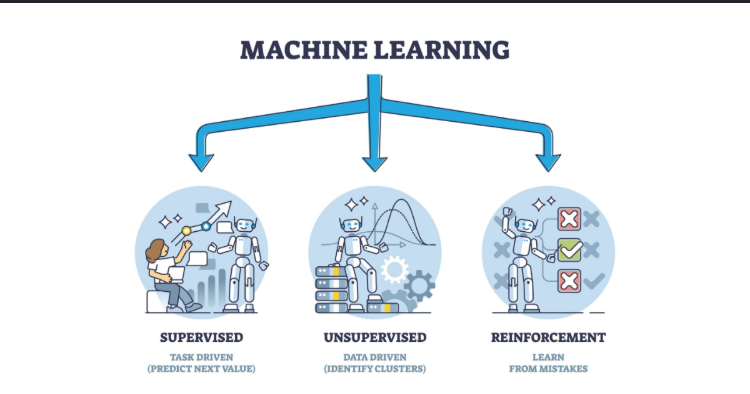
To meet these expectations, many businesses are investing in AI Development Services to build systems that learn over time rather than relying only on fixed logic. This approach allows mobile apps to grow smarter with each interaction, creating experiences that feel more natural and personal.
The Move from Static Apps to Adaptive Experiences
Traditional mobile apps are built on predefined rules. A user taps a button, and the app responds in a predictable way. This structure works well for basic tasks, but it struggles to meet modern expectations.
AI-driven apps behave differently. They observe how people use them, notice patterns, and adjust accordingly. Over time, these apps fine-tune their behavior without users needing to change settings or relearn workflows. The app experience improves quietly in the background.
This shift reduces friction. Instead of forcing users to adapt to the app, the app adapts to the user. That simple change makes technology feel more supportive and less demanding.
Why User Expectations Are Rising So Quickly
People interact with dozens of apps every day. From communication and shopping to work and entertainment, apps are part of daily life. Because of this constant exposure, users have become more selective.
Modern users expect apps to be:
- Fast and responsive
- Relevant to their needs
- Easy to understand from the first use
- Helpful without being intrusive
AI-driven apps meet these expectations by understanding context. They recognize when users are active, what they often do, and how their needs change over time. This awareness allows apps to respond more intelligently, which builds trust and long-term loyalty.
Personalization Without Extra Effort
Personalization has become one of the clearest signs of AI-driven adaptation. The key difference today is that personalization happens quietly. Users are no longer asked to fill out long preference forms or customize every detail.
Instead, apps learn from behavior. They notice what users interact with, what they ignore, and how often they return. Over time, the experience becomes more relevant.
- Common examples of this adaptation include:
- Content that changes based on usage patterns
- Suggestions that improve as habits form
- Cleaner interfaces that highlight what matters most
- Notifications timed to match real-life routines
Because these changes reduce effort, they feel helpful rather than controlling.
Smarter Onboarding Builds Early Trust
First impressions matter. In an AI-driven world, onboarding is no longer a one-size-fits-all tutorial. It becomes a learning phase for the app.
Instead of showing every feature upfront, modern apps observe how new users explore. They guide attention to useful actions and delay less relevant options. This makes the app feel simpler and more welcoming.
When users feel comfortable quickly, they are more likely to continue using the app. Trust forms through smooth experiences, not long explanations.
Search That Understands Intent
Search is another area where mobile apps are adapting quickly. Traditional search relies on keywords and filters. AI-driven search focuses on intent.
By analyzing context, past behavior, and patterns, apps can deliver results that match what users actually want—not just what they type. This saves time and reduces frustration, especially in apps with large amounts of content.
Search becomes less about precision and more about understanding, which improves overall satisfaction.
Design That Evolves with Real Use
Design in an AI-driven world is no longer fixed. Interfaces evolve based on how people actually use them. Features that are used often become easier to access. Rarely used elements fade into the background.
These changes happen gradually. Users do not experience sudden redesigns that disrupt habits. Instead, the app feels like it is becoming easier over time.
In the middle of this shift, many teams work with an experienced iphone app development company to ensure adaptive designs remain smooth, consistent, and accessible across devices. When intelligence and design work together, the app experience feels effortless.
Performance That Anticipates Demand
AI-driven apps do not wait for problems to appear. They predict demand and prepare for it. By studying usage patterns, apps can pre-load resources, manage traffic, and optimize performance before issues arise.
For users, this means fewer delays and smoother interactions. For businesses, it means lower support costs and better retention. Reliability improves because problems are avoided rather than fixed after the fact.
Security That Protects Without Disruption
Security is essential, but it often adds friction. AI-driven security takes a different approach. By learning what normal behavior looks like, apps can detect unusual activity without constant verification steps.
This allows strong protection while keeping the experience smooth. Users feel safe without feeling slowed down, which strengthens trust in the platform.
Responsible Use of Intelligence Matters
As apps become smarter, responsibility becomes more important. Users care about how their data is used and expect transparency.
Responsible AI focuses on clear communication, fairness, and user control. Apps must explain decisions in simple terms and avoid behavior that feels invasive or unpredictable.
Trust is not built by intelligence alone. It is built by respect. Apps that prioritize ethical design will stand out in an AI-driven world.
Continuous Learning Changes How Apps Grow
AI-driven apps are never truly finished. They improve continuously as they learn from real use. This changes how development teams work.
Instead of following rigid roadmaps, teams focus on feedback loops. Small updates happen often. Decisions are guided by data rather than assumptions.
This approach reduces risk and improves quality over time. Apps evolve alongside users instead of forcing sudden changes.
Real-World Impact Across Industries
The shift toward AI-driven adaptation is visible across many sectors:
- Health apps adjust guidance based on user progress
- Finance apps personalize alerts and insights
- Education apps adapt lessons to learning styles
- Travel apps predict delays and suggest alternatives
In each case, the goal is the same: reduce effort and deliver value through understanding.
Keeping the Human Touch
Despite advanced intelligence, mobile apps must still feel human. Tone, timing, and restraint matter. Too much automation can feel cold or overwhelming.
The best apps know when to help and when to step back. They respect attention and support users quietly. This balance makes technology feel friendly rather than demanding.
Preparing for What Comes Next
Technology will continue to change. Apps built with AI-driven foundations are better prepared for the future. They adapt faster to new expectations and platforms.
Instead of rebuilding from scratch, teams can refine and expand what already exists. This protects long-term investment and reduces technical debt.
Final Thoughts: Adapting with Purpose
Mobile apps are adapting to an AI-driven world by becoming more aware, flexible, and supportive. Intelligence is no longer an add-on; it is becoming part of the foundation. Apps are learning to reduce effort, anticipate needs, and grow alongside users.
As this shift accelerates, choosing the right development approach becomes critical. Working with a forward-thinking Mobile App Development Company helps ensure that intelligence, design, and responsibility evolve together. The most successful apps of the future will not just be smart—they will feel thoughtful, reliable, and genuinely helpful in everyday life.
Frequently Asked Questions
1. What does it mean for mobile apps to adapt to an AI-driven world?
Ans: It means apps can learn from user behavior and improve over time. Instead of staying the same, they adjust features, content, and performance based on real use.
2. How does AI improve mobile app user experience?
Ans: AI helps apps become more personal, faster, and easier to use. It reduces effort by showing relevant content and features at the right time.
3. Are AI-driven mobile apps harder to use?
Ans: No. Well-designed apps feel simpler because they adapt automatically. Users do not need to change many settings or learn complex steps.
4. How do mobile apps use AI responsibly?
Ans: Responsible apps focus on transparency, security, and user control. They use data carefully and explain how decisions are made.
5. Which industries benefit most from AI-driven mobile apps?
Ans: Many industries benefit, including healthcare, education, finance, travel, and eCommerce. Any app that serves users regularly can improve with adaptive intelligence.







0 Comments