
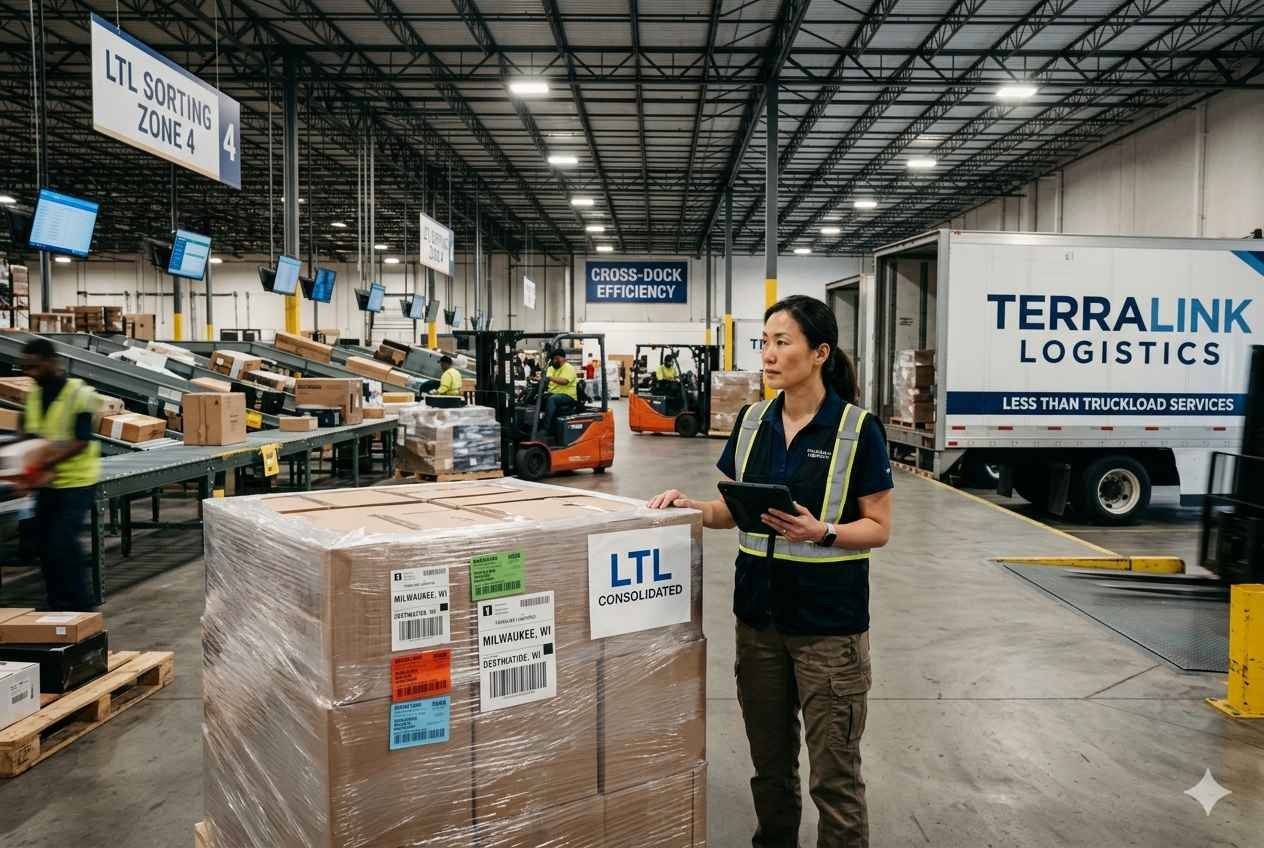
How less than truckload transportation optimizes modern supply chains
The global logistics landscape is undergoing a massive transformation in 2026. As e-commerce remains a dominant force and businesses shift toward leaner inventory models, the demand for flexible shipping solutions has skyrocketed. At the heart of this evolution is less than truckload transportation, a shipping method that allows multiple shippers to share space on a single trailer. This model is not just a way to move goods; it is a strategic tool for cost management, sustainability, and operational agility.
In an era where speed and efficiency are non-negotiable, understanding the mechanics of LTL shipping is essential for any professional in the supply chain space. Whether you are a small business owner looking to scale or a logistics manager for a multinational corporation, the ability to leverage consolidated freight can be the difference between a profitable quarter and a logistical bottleneck.
section 1: the technical framework of less than truckload transportation
To truly grasp the value of LTL, one must first understand its technical definition. According to Wikipedia, less than truckload (LTL) shipping refers to the transportation of relatively small freight that does not require the entire capacity of a 48-foot or 53-foot trailer. Typically, LTL shipments weigh between 150 and 15,000 pounds.
The core of LTL efficiency lies in the hub-and-spoke model. Unlike full truckload (FTL) shipping, where a driver moves a single load from point A to point B, LTL shipments often pass through multiple terminals. A driver collects freight from various local shippers and brings it to a regional hub. There, the cargo is sorted and consolidated with other shipments heading toward the same geographic region. This process repeats until the freight reaches its final destination.
key advantages of the LTL model
- Cost Efficiency: Shippers only pay for the portion of the trailer their freight occupies. This makes it significantly cheaper than booking a full truck for a small load.
- Environmental Impact: By consolidating shipments, carriers reduce the number of "empty miles" driven, which lowers the overall carbon footprint of the transportation sector.
- Service Options: LTL carriers often provide specialized services such as liftgates, inside delivery, and residential pickups that are less common in the FTL world.
As logistics networks become more complex, companies like TerraLinkLogistics offer less than truckload services that integrate seamlessly with modern digital tracking systems, ensuring that even consolidated freight remains visible throughout its journey.
section 2: market trends and the impact of technology in 2026
The LTL market is currently experiencing a period of intense innovation. According to Google News, recent research indicates that AI-driven route optimization and automated terminal sorting are the primary drivers of growth this year. The rise of "Two-Speed Economics" in 2026 means that while some industrial sectors are cautious, consumer-driven e-commerce continues to demand rapid replenishment.
the role of artificial intelligence
AI is no longer a futuristic concept in less than truckload transportation. Carriers are using predictive analytics to forecast demand, allowing them to position equipment more effectively. Real-time data processing helps in:
- Dynamic Pricing: Rates can now adjust based on trailer capacity and fuel fluctuations in real-time.
- Route Efficiency: Algorithms calculate the most fuel-efficient paths, accounting for traffic, weather, and terminal wait times.
- Risk Mitigation: Machine learning identifies potential delays before they happen, allowing for proactive rerouting.
sustainability and green logistics
Sustainability has become a professional mandate. Forbes has frequently highlighted how supply chain transparency is a top priority for C-suite executives. In 2026, the adoption of electric heavy-duty vehicles for regional LTL hauls is helping companies meet strict ESG (Environmental, Social, and Governance) goals. Consolidation is inherently "green," but the addition of zero-emission vehicles at the hub level is a game-changer.
section 3: navigating challenges in the LTL landscape
Despite its benefits, less than truckload transportation presents unique challenges that require careful management. Because freight is handled multiple times at various terminals, there is a statistically higher risk of damage compared to FTL. Furthermore, transit times are often longer and less predictable due to the consolidation process.
freight classification and compliance
In 2026, the National Motor Freight Classification (NMFC) system has become more rigorous. Shippers must be precise with their freight's weight, dimensions, and density. Inaccurate classification can lead to "re-weigh" fees and "re-class" charges that erode the cost savings of LTL. Professional content marketers in the logistics space emphasize the importance of "packaging for the journey." Using high-quality pallets and shrink-wrap is essential when your goods are sharing space with diverse types of cargo.
carrier relationships and 3PLs
Many businesses are turning to Third-Party Logistics (3PL) providers to navigate the complexities of LTL. A 3PL can leverage its total volume to negotiate better rates with carriers, providing small to mid-sized enterprises (SMEs) with the same pricing power as larger corporations. Moreover, advanced Transportation Management Systems (TMS) provided by these partners offer a "single pane of glass" view for tracking and billing.
Conclusion: the future of consolidated shipping
The reliance on less than truckload transportation will only deepen as we move toward the 2030s. The ability to move smaller quantities more frequently allows businesses to remain agile, reduce warehouse overhead, and respond to the fluctuating demands of the modern consumer. While the system requires more coordination than simple point-to-point shipping, the financial and environmental rewards make it a cornerstone of a healthy supply chain.


0 Comments