
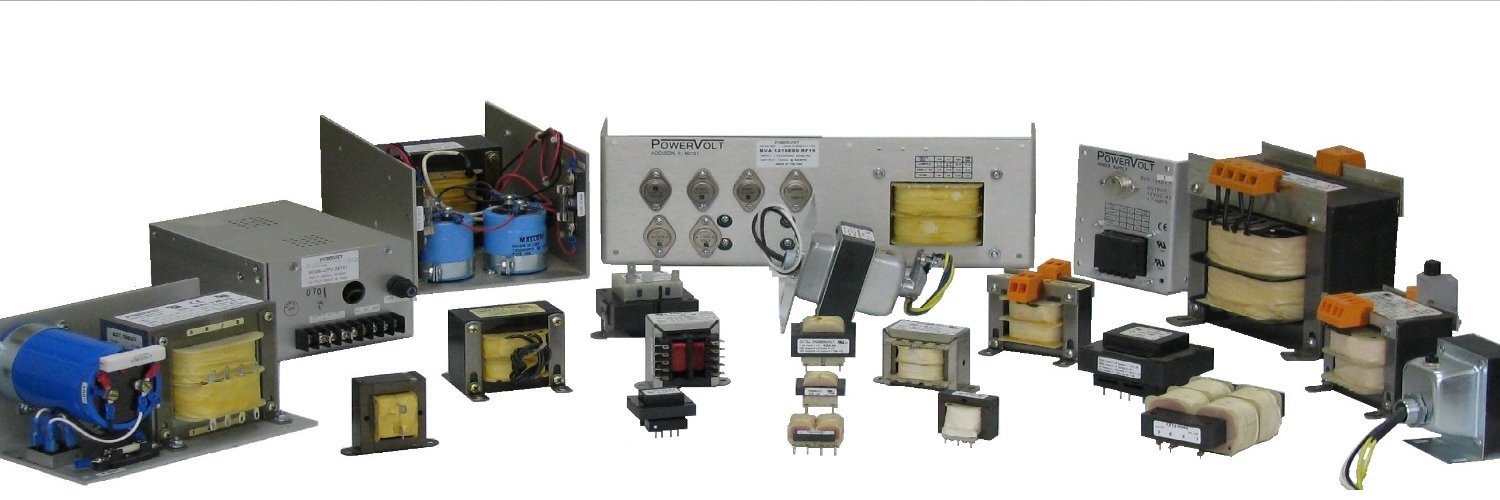
How Finite Element Analysis (FEA) is Used in Power Transformer Design
Finite Element Analysis (FEA) has become an essential tool in modern power transformer design, enabling engineers to create highly reliable, efficient, and durable systems.
Unlike traditional design methods that rely heavily on calculations and physical prototypes, FEA provides a virtual testing environment where transformer performance can be analyzed in detail before manufacturing even begins.
In simple terms, FEA works by dividing a digital model of a transformer into thousands of small elements. Each of these elements reacts to physical forces such as heat, electromagnetic fields, and mechanical stress.
By analyzing these interactions, engineers gain a clear and accurate understanding of how the transformer will behave under real operating conditions.
This approach allows them to identify potential issues early, such as heat buildup, insulation stress, or mechanical weaknesses, and address them during the design stage.
One of the most critical applications of FEA is electromagnetic analysis. Since the primary function of a transformer is to transfer electrical energy efficiently, understanding magnetic flux behavior is essential.
FEA helps engineers visualize how magnetic fields flow through the core and windings, detect uneven flux distribution, and identify areas where energy losses may occur.
With these insights, they can optimize core geometry and winding placement to improve overall efficiency and performance.
Another key area where FEA proves invaluable is thermal analysis. Heat is one of the biggest factors affecting transformer lifespan, as excessive temperatures gradually degrade insulation materials.
FEA allows engineers to simulate temperature distribution across the transformer under various load conditions, including overload scenarios. It helps identify hotspot locations, evaluate cooling system effectiveness, and analyze oil flow behavior in oil-filled transformers.
By addressing thermal challenges during design, manufacturers can significantly extend the operational life of the transformer.
FEA also plays a vital role in mechanical analysis, particularly in preparing transformers for extreme conditions such as short circuits. During such events, very high forces are generated within the windings, which can cause deformation or structural damage.
Using FEA, engineers can simulate these forces, measure stress levels, and reinforce vulnerable areas. This ensures that the transformer can withstand fault conditions without failure.
In addition, dielectric and insulation analysis is crucial for ensuring safety and reliability. FEA helps map the distribution of electric fields within the transformer, allowing engineers to detect areas of high electrical stress that could lead to insulation breakdown.
By optimizing insulation thickness and spacing between components, they can prevent issues like partial discharge and improve long-term performance.
Another often overlooked aspect is vibration and noise analysis. Electromagnetic forces can cause vibrations in the transformer core and structure, leading to noise and energy loss.
FEA enables engineers to study these vibrations and refine the design to reduce noise levels while improving structural stability.
The real-world benefits of FEA are significant. It reduces the need for multiple physical prototypes, shortens design cycles, minimizes material waste, and ensures better compliance with international standards.
For end users, this translates into transformers that are more reliable, energy-efficient, and require less maintenance over time.
In today’s energy landscape, where efficiency standards are stricter and demand for compact, high-performance equipment is increasing, FEA has become more important than ever. It allows manufacturers to innovate confidently while maintaining safety and durability.
Powervolt Group leverages advanced FEA techniques to design power transformers that deliver superior performance, long-term reliability, and efficiency across a wide range of applications.










0 Comments