
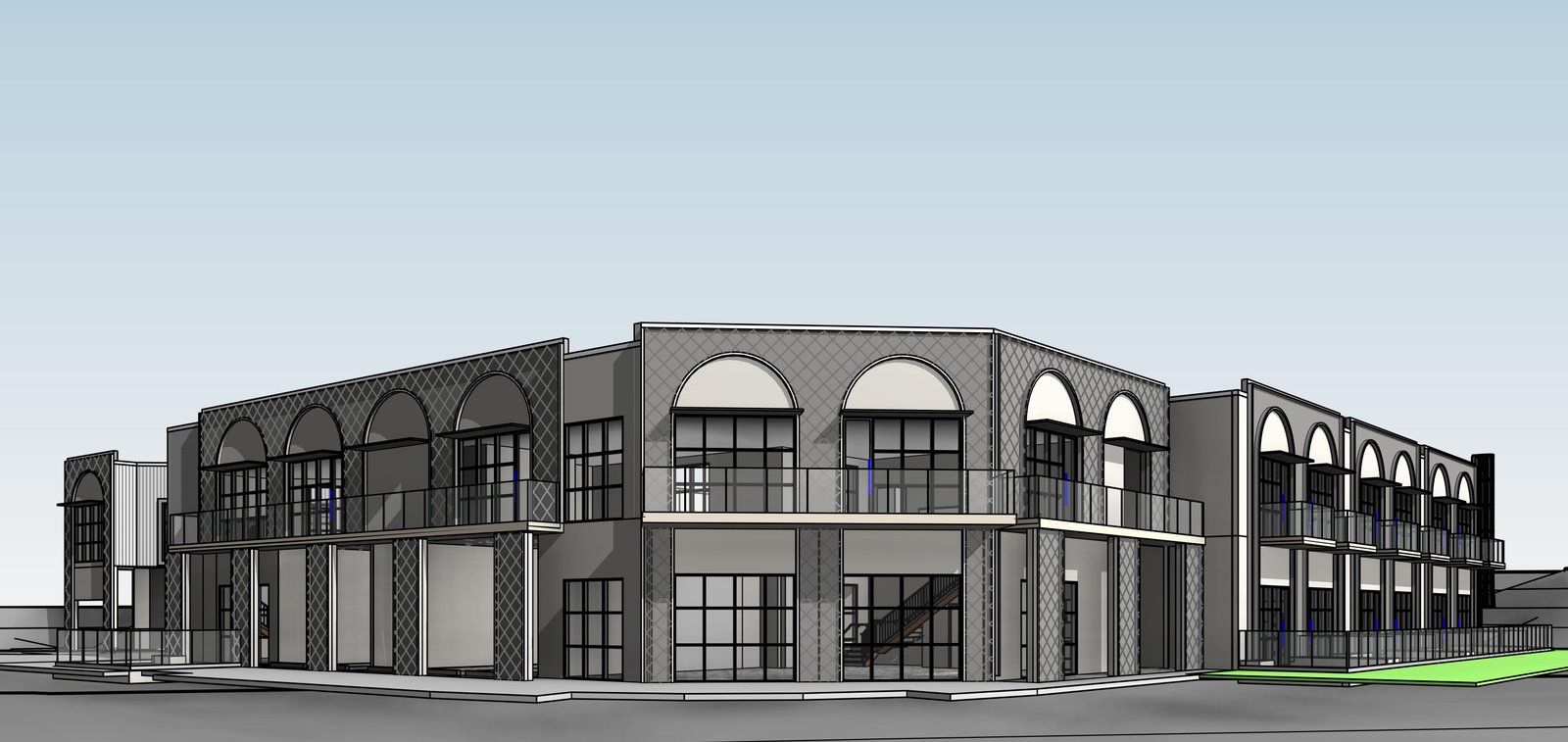
How 3D BIM Modeling Services Improve Clash Detection in California
The construction landscape is shifting beneath our feet—quite literally, given California’s unique seismic requirements. But beyond the geology, there is a technological shift changing how buildings rise from the ground. As projects become more complex, the margin for error shrinks. A pipe running through a ventilation duct or a structural beam interfering with electrical conduits isn't just an annoyance; it’s a costly delay waiting to happen.
This is where Building Information Modeling (BIM) steps in. It’s no longer just a digital drafting tool; it is a comprehensive process that is redefining project delivery. In a state known for rigorous building codes and high-stakes infrastructure projects, 3D BIM modeling services California are becoming essential for identifying conflicts before a single shovel hits the dirt.
Understanding Clash Detection
To appreciate the solution, we first need to understand the problem. In traditional construction workflows, architects, structural engineers, and MEP (Mechanical, Electrical, and Plumbing) contractors work on separate sets of 2D drawings. While everyone aims for accuracy, layering these flat drawings mentally or manually often leads to "clashes."
Clash detection is the process of identifying where two or more building elements occupy the same physical space. In the past, these conflicts were often discovered on the job site. A plumber might arrive to install a pipe only to find a steel beam in the way. The result? Work stoppages, Requests for Information (RFIs), change orders, and budget overruns.
There are generally three types of clashes:
- Hard Clashes: Two components physically intersecting (e.g., a pipe running through a wall).
- Soft Clashes: Components that don't touch but violate spatial requirements (e.g., not leaving enough clearance for maintenance access around an HVAC unit).
- Workflow Clashes: Scheduling conflicts, such as installing a large piece of equipment after the walls enclosing the room have already been built.
How 3D BIM Enhances Clash Detection
BIM changes the game by moving away from flat drawings to intelligent, 3D models. It creates a "digital twin" of the project where all disciplines—architectural, structural, and MEP—are integrated into a single, federated model.
Here is how 3D BIM modeling services California are specifically improving the detection process:
Automated Interference Checking
Modern BIM software (like Autodesk Navisworks or Revit) automates the search for conflicts. Instead of relying on human eyes to spot a potential issue across dozens of drawing sheets, the software runs an algorithm that highlights every instance where geometries intersect. This automation catches hundreds of clashes that would be impossible to spot manually.
Real-Time Visualization
Seeing is believing. When a clash is detected in a 3D environment, the project team can visualize exactly how the elements interact. They can rotate the model, zoom in, and see the conflict from every angle. This clarity enables faster decision-making. Instead of deciphering lines on a page, the team sees a red pipe hitting a grey beam, making the necessary fix obvious.
Pre-Construction Resolution
The most significant advantage is timing. BIM allows for "virtual construction" before physical construction begins. By resolving clashes in the digital phase, contractors avoid the "tear out and rework" cycle that plagues traditional construction. In California, where labor costs are high and timelines are tight, resolving these issues virtually saves substantial amounts of money.
The California Context: Why It Matters Here
California presents a unique set of challenges for the construction industry, making high-quality BIM services even more critical.
Seismic Standards and Complex Systems
California’s building codes are among the strictest in the world due to earthquake risks. Structural components are often larger and more complex, leaving less room for MEP systems. A 3D model is crucial for navigating these tight spaces. It ensures that the necessary seismic bracing doesn't interfere with fire sprinklers or lighting fixtures.
Sustainability and Title 24
California's Title 24 energy standards require sophisticated HVAC and lighting systems. These systems often require specific routing and clearances to function efficiently. BIM ensures that these sustainable design elements fit within the architectural envelope without compromising performance.
Case Studies in Efficiency
While confidentiality often keeps specific project details under wraps, the trend across the Golden State is clear.
Consider a recent hospital project in Los Angeles. Healthcare facilities are notoriously dense with MEP systems—medical gas lines, complex HVAC for infection control, and heavy electrical loads. By utilizing 3D BIM modeling services California, the general contractor was able to identify over 2,000 clashes during the pre-construction phase. Had these been discovered on-site, the estimated rework cost would have exceeded $1.5 million, not to mention the months of delays to the hospital’s opening.
Similarly, a mixed-use high-rise in San Francisco utilized BIM for 4D scheduling (adding time to the 3D model). They identified "workflow clashes" where the installation sequence of the curtain wall would have prevented the delivery of large mechanical units. By adjusting the schedule in the model, they avoided a logistical nightmare on the busy city streets.
The Tangible Benefits of Better Detection
The adoption of BIM for clash detection isn't just about using new technology; it’s about business results.
Reduced Costs
The formula is simple: fixing a clash in the computer costs pennies on the dollar compared to fixing it in the field. There is no wasted material, no jackhammering of concrete, and no overtime pay for rush fixes.
Improved Schedules
RFI delays are project killers. When a clash is found on-site, work stops. The foreman writes an RFI, sends it to the general contractor, who sends it to the architect or engineer. Days or weeks can pass before a solution is approved. With BIM, these issues are resolved months in advance, keeping the schedule fluid.
Enhanced Safety
Rework is dangerous. It often involves working in non-ideal conditions, rushing to make up time, or performing tasks out of sequence. By minimizing on-site modifications, BIM contributes to a safer, more predictable job site.
The Future of Construction in the Golden State
As California continues to grow, its infrastructure and housing needs will only become more pressing. The complexity of projects—from high-speed rail stations to net-zero office towers—demands a level of precision that 2D drawings simply cannot provide.
Clash detection via 3D BIM modeling services California is the bridge between a chaotic job site and a streamlined project delivery by Chudasama Outsourcing. For developers, architects, and contractors, the investment in BIM is an investment in certainty. It transforms the construction process from a reactive struggle into a proactive, coordinated effort.
In an industry where margins are thin and risks are high, the ability to see the future—and fix it before it happens—is the ultimate competitive advantage.








0 Comments