
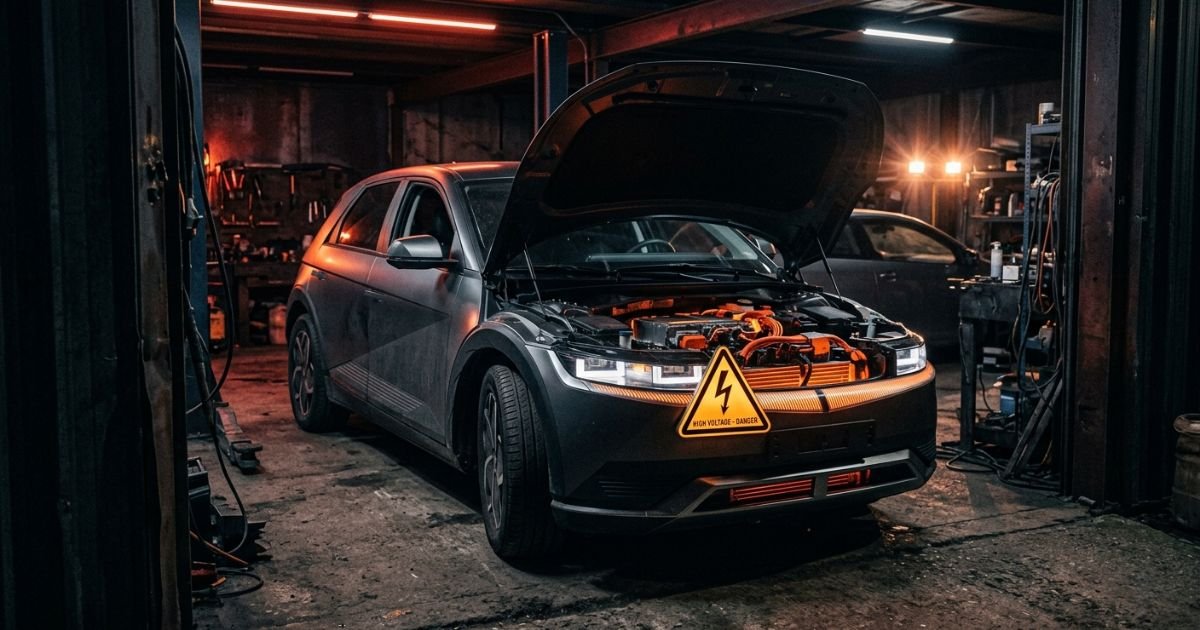
How to Fix High Voltage Battery Fault in Electric Vehicles
A high voltage battery fault in electric vehicles can feel serious at first glance, but in many cases, it’s a manageable issue that doesn’t require a costly repair. Understanding what this warning actually means and how to respond can save you time, money, and unnecessary stress.
This guide breaks down the real causes behind a high voltage battery fault in electric vehicles, along with practical, step-by-step solutions you can follow before considering professional help.
What Does a High Voltage Battery Fault in Electric Vehicles Mean?
A high voltage battery fault in electric vehicles typically appears when there is a disruption in the electrical system that connects the main battery to the rest of the car. However, this doesn’t always mean the high-voltage battery itself is damaged.
Electric vehicles rely on two key systems:
- The high-voltage battery, which powers the motor
- The 12V battery, which runs electronics and control units
If the 12V battery becomes weak or unstable, it can trigger a high voltage battery fault in electric vehicles, even when the main battery is functioning properly.
Common Causes of High Voltage Battery Fault in Electric Vehicles
To fix the issue efficiently, it’s important to understand what might be causing the high voltage battery fault in electric vehicles in the first place.
1. Weak or Failing 12V Battery
The most frequent cause of a high voltage battery fault in electric vehicles is a low or failing 12V battery. It affects system communication and can trigger warning lights.
2. Faulty DC-DC Converter
This component regulates power between the main battery and the 12V system. If it malfunctions, voltage levels become unstable.
3. Loose or Corroded Connections
Poor electrical connections can interrupt power flow and cause system errors.
4. Software or Sensor Glitches
Temporary software bugs or incorrect sensor readings may falsely trigger a high voltage battery fault in electric vehicles.
5. Internal High-Voltage System Issues
In rare cases, the problem may involve battery modules or insulation faults within the main system.
Step-by-Step Fix for High Voltage Battery Fault in Electric Vehicles
Before assuming the worst, follow these steps to resolve a high voltage battery fault in electric vehicles safely and effectively.
Step 1: Check the 12V Battery Condition
Start with the most common cause.
- Turn off the vehicle and let it rest for 30–60 minutes
- Use a multimeter to check voltage
A healthy reading should be:
- Around 12.6V when fully charged
- At least 12.4V at rest
If it’s below this range, the battery may be the reason behind the high voltage battery fault in electric vehicles.
Step 2: Charge or Replace the 12V Battery
If the battery is weak:
- Use a smart charger suitable for your vehicle
- Fully charge and recheck the voltage
- Replace the battery if it fails to hold charge
In the UK, this is a relatively low-cost fix, typically between £50 and £120, and often resolves the issue quickly.
Step 3: Reset the System
After stabilising the battery:
- Turn the vehicle off and on again
- Allow the system to reboot
A stable power supply often clears a temporary high voltage battery fault in electric vehicles without further action.
Step 4: Scan and Clear Fault Codes
If the warning remains:
- Use an OBD2 scanner
- Read stored fault codes
- Clear them and restart the vehicle
This step removes stored errors that may still be triggering the high voltage battery fault in electric vehicles.
Step 5: Monitor Performance
Take the vehicle for a short drive and observe:
- Warning lights
- Battery behaviour
- Charging performance
If everything runs smoothly, the issue was likely minor and has now been resolved.
When to Seek Help for High Voltage Battery Fault in Electric Vehicles
Not all cases can be fixed at home.
You should seek professional help if:
- The warning keeps returning
- The vehicle won’t start or charge
- You notice unusual heat, smells, or sounds
In such cases, it’s best to contact a nearest car mechanic shop with EV expertise to safely diagnose the problem.
What Professionals Check for High Voltage Battery Fault in Electric Vehicles
A trained technician will inspect:
- Battery Management System (BMS)
- DC-DC converter function
- Voltage balance across battery modules
- Wiring and insulation condition
Typical UK costs include:
- Diagnostics: £80–£150
- Battery balancing: £100–£200
- Module repair: £500+
Full battery replacement is rare but can be expensive, so early diagnosis is key.
How to Prevent High Voltage Battery Fault in Electric Vehicles
Preventing a high voltage battery fault in electric vehicles is often easier than fixing one. Here are a few practical tips:
- Keep your 12V battery well-maintained
- Avoid leaving your car unused for long periods
- Maintain battery levels between 20% and 80%
- Avoid constant full charging unless necessary
- Keep your vehicle software updated
These habits help maintain system stability and reduce unexpected faults.
Final Thoughts
A high voltage battery fault in electric vehicles may seem intimidating, but in most situations, it’s caused by minor issues like a weak 12V battery or a temporary system glitch. By following the right steps, you can often fix the problem yourself and avoid unnecessary repair costs.
However, if the issue persists, don’t take risks with high-voltage systems. Getting help from a qualified technician ensures your vehicle remains safe, reliable, and ready for the road.









0 Comments