
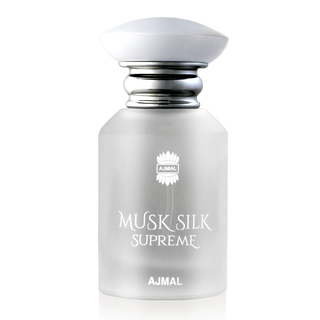
Discover the Fragrant World of Perfumes in Oman: A 2026 Guide to Scents & Shopping
Oman, a land of breathtaking landscapes and profound cultural heritage, holds a deeply rooted and enchanting relationship with fragrance. For centuries, the art of perfumery has been woven into the very fabric of Omani society, from the burning of frankincense in homes to the intricate blending of precious oils. Today, this tradition has evolved into a vibrant, modern market that caters to both personal passion and discerning commercial ventures. This comprehensive guide, updated for 2026, will navigate you through the captivating universe of perfumes in Oman, exploring where to find them, the unique scent profiles cherished in the region, and the burgeoning commercial landscape for businesses.
The Cultural Essence of Omani Scents
To understand the market for perfumes Oman offers, one must first appreciate the cultural significance of fragrance here. Scent is not merely a personal adornment; it is a gesture of hospitality, a spiritual offering, and a marker of identity. Frankincense, or luban, harvested from the trees of Dhofar, is the kingdom's most iconic aroma. Its rich, woody, and balsamic smoke is a staple in Omani households, used to perfume clothing and spaces.
This deep-seated appreciation forms the foundation of modern consumer preferences. Omani consumers, and residents alike, possess a sophisticated nose, often favoring complex, woody, amber, and oud-based compositions over simple, linear scents. The demand for authenticity is high, whether in traditional attars (oil-based perfumes) or in luxury international brands that incorporate these beloved regional notes. When seeking authentic perfume in Oman, this cultural context is paramount, influencing everything from retail displays to product formulation.
Navigating the Market: Where to Find Perfumes in Oman
The retail landscape for perfumes in Oman is diverse, ranging from centuries-old souqs to glittering modern malls. Each offers a distinct experience for the fragrance enthusiast.
Traditional Souqs and Perfumeries
No exploration is complete without a visit to the Mutrah Souq in Muscat or the Nizwa Souq. Here, small, family-run shops specialize in traditional Omani perfumes. You can find pure Arabian oud (agarwood), rose water, musk, and myrrh, as well as custom-blended attars. Vendors are often knowledgeable artisans who can craft a personal scent based on your preferences. This is the heart of the olfactory tradition, and purchasing here supports age-old crafts.
Modern Retail and Luxury Boutiques
For global luxury brands and niche perfume houses, Oman's high-end malls like Mall of Oman, Avenues Mall, and Muscat Grand Mall are the primary destinations. International brands like Chanel, Dior, Creed, and Maison Francis Kurkdjian have a strong presence, with many offering exclusive lines and Middle-East-exclusive blends rich in oud and saffron. These boutiques cater to a clientele seeking both worldwide prestige and scents that resonate with local tastes.
Emerging Commercial Platforms: E-commerce
The digital marketplace for perfumes Oman has seen explosive growth post-2023. By 2026, robust local e-commerce platforms, coupled with the regional giants like Namshi and Ounass, have become major commercial channels. These sites offer convenience, detailed product information in Arabic and English, and access to a wider range of international brands. For commercial buyers, this digital shift is critical, indicating where market demand is flowing and how consumers prefer to shop.
The Commercial Landscape of Perfumes in Oman
For businesses and entrepreneurs, the market for perfume in Oman presents significant and growing opportunities. The commercial sector is driven by a high GDP per capita, a luxury-oriented consumer base, and a tourism sector that values authentic, high-quality souvenirs.
Import and Distribution Networks
The primary commercial activity involves the import and distribution of international fragrance brands. Success in this arena requires more than just logistics; it demands cultural intelligence. Distributors who curate portfolios with an understanding of Omani preferences—prioritizing long-lasting, woody, and oriental fragrances—gain a competitive edge. Furthermore, navigating Oman's regulatory environment, which has strict standards on alcohol content and ingredient labeling (increasingly aligned with Gulf Cooperation Council regulations), is essential for commercial operation.
Local Brand Creation and Niche Markets
A exciting commercial trend is the rise of local Omani perfume brands and boutiques. These enterprises blend traditional scents with modern packaging and marketing, creating luxury products that tell a story of Omani heritage. They cater not only to locals but also to tourists seeking an authentic memento and the global market's growing interest in niche, story-driven perfumery. Investing in or partnering with such brands is a forward-looking commercial strategy.
Franchise Opportunities and Retail Expansion
The continuous development of mega-malls and luxury retail spaces across Muscat, Salalah, and Sohar creates ongoing commercial opportunities for franchise agreements. International perfume brands looking to establish a footprint in the Gulf region often find Oman, with its political stability and affluent market, an attractive entry point. The commercial success of a franchise hinges on location, brand positioning, and a deep understanding of the local consumer's journey when shopping for perfumes Oman wide.
Key Considerations for Consumers and Businesses in 2026
Authenticity and Ingredient Transparency: Demand for pure, authentic ingredients and full transparency is higher than ever. Consumers are educated and wary of synthetic substitutes for prized elements like oud.
Sustainability and Ethical Sourcing: A growing segment of the market, particularly among younger consumers, considers the ethical and environmental footprint of their perfume in Oman. Brands that highlight sustainable sourcing, especially for ingredients like oud and frankincense, and eco-conscious packaging are gaining traction.
Personalization and Experience: The commercial winners are those offering experiential retail—whether through custom blending services, fragrance profiling consultations, or immersive in-store experiences that connect the scent to Omani culture.
Digital Marketing and Social Commerce: For any commercial entity, a strong digital presence is non-negotiable. Instagram, TikTok, and local influencer partnerships are powerful tools for reaching consumers interested in perfumes Oman. Social commerce features allow for direct purchasing from educational or inspirational content.
The Future of Fragrance in Oman
As we look to the future, the market for perfumes in Oman is poised for sophisticated evolution. The fusion of deep-rooted tradition with global trends will continue to define the sector. We can anticipate greater innovation in scent profiles, a stronger emphasis on Omani-branded luxury on the world stage, and a commercial environment that is both competitive and collaborative.


0 Comments