
Grout for Glass Tile: Achieving Professional Results with Crystal Glass Grout
Glass tile installations create stunning visual effects through luminous color, light interaction, and reflective properties that distinguish these premium surfaces from conventional ceramic or stone alternatives. However, realizing glass tile's full aesthetic potential requires more than simply selecting beautiful tiles—the grouting process and materials prove equally critical for achieving professional results that showcase rather than compromise tile beauty. Understanding grout for glass tile, particularly specialized products like Crystal Glass Grout, involves examining why standard grout products fail glass applications, what distinguishes glass-specific formulations, proper application techniques, color selection strategies, and maintenance practices ensuring installations maintain pristine appearance through years of service.
Why Glass Tile Requires Specialized Grout
Glass tile's unique characteristics create specific requirements that conventional cement-based grouts cannot adequately address, making specialized products necessary for successful installations.
Surface sensitivity represents the primary concern. Glass scratches more easily than ceramic or porcelain, and standard grouts contain aggregates that can scratch delicate glass surfaces during application and cleaning. Traditional sanded grout, which includes sand particles providing strength for wide joints, proves particularly problematic as these abrasive particles drag across glass creating visible scratching that permanently mars finishes.
Transparency considerations affect grout selection because translucent glass tiles reveal what lies behind them, including grout and adhesive. Standard gray grout shows through lighter glass tiles creating muddy, undefined appearance rather than crisp tile definition. Even white cement grout can appear dingy or grayish through translucent materials, compromising the clean, bright aesthetic that makes glass appealing.
Staining vulnerability affects cement-based grouts which remain somewhat porous allowing moisture and contaminant penetration causing discoloration. In glass installations where pristine appearance matters fundamentally, grout staining proves particularly objectionable as it contrasts dramatically with stain-resistant glass surfaces.
Flexibility requirements in certain applications including pools and showers where substrate movement occurs necessitate grouts accommodating slight shifting without cracking. Glass tile's rigidity means grout must provide some flexibility preventing stress cracks that would compromise waterproofing and appearance.
Chemical exposure in pools, spas, and kitchens demands grout resistant to chlorine, cleaning products, acids, and other substances that degrade standard cement grouts causing discoloration, erosion, and failure.
For comprehensive glass tile selections paired with appropriate installation materials including specialized grouts, exploring options to buy pool tile provides integrated product systems ensuring compatibility and successful outcomes.
Crystal Glass Grout and Specialized Formulations
Crystal Glass Grout represents specialized product category engineered specifically addressing glass tile's unique requirements through modified formulations incorporating advanced materials and technologies.
Epoxy-based composition provides fundamental advantage over cement-based alternatives. Epoxy grouts consist of epoxy resins and hardeners creating non-porous, stain-proof surfaces impervious to water, chemicals, and staining agents. This impermeability makes epoxy ideal for demanding applications including pools, showers, and kitchen backsplashes where moisture and contaminants concentrate.
Non-abrasive formulation eliminates sanding agents and coarse particles that would scratch glass during application. Smooth consistency allows working grout across delicate surfaces without damage concerns while still providing structural strength and durability once cured.
Color stability through UV-resistant pigments ensures grout maintains intended appearance without fading from sunlight exposure. This permanence matters particularly in pools and exterior applications where inferior products would bleach and discolor.
Flexibility engineered into certain formulations accommodates substrate movement preventing cracking under stress. This property proves essential in applications over concrete, wood substrates, or areas experiencing temperature fluctuations causing dimensional changes.
Stain resistance from non-porous cured surface means spills, oils, and contaminants cannot penetrate causing permanent discoloration. This characteristic maintains grout appearance matching day-one freshness indefinitely with minimal maintenance.
Chemical resistance withstands pool chemicals, household cleaners, and acids without degradation or discoloration. Glass installations in chemically challenging environments require this durability ensuring grout performs as reliably as tiles themselves.
Color Selection Strategies
Grout color dramatically impacts overall installation appearance, with strategic selection enhancing tile beauty while poor choices compromising even premium materials.
Matching grout to tile color creates unified, seamless appearance minimizing grout line visibility. This approach works beautifully with monochromatic installations where continuous color field emphasizes overall effect rather than individual tiles. Matching grout allows tile pattern and layout to dominate without competing grout lines fragmenting visual unity.
Contrasting grout emphasizes individual tiles and installation patterns creating graphic, defined appearance. White grout with colored tiles or dark grout with light tiles creates crisp definition highlighting tile shapes and layout geometry. This intentional contrast suits installations where pattern and texture matter as much as color.
Neutral grout in soft gray or beige provides versatile middle ground working with diverse tile colors without stark contrast or complete matching. These diplomatic choices prove particularly useful in multicolor installations where matching becomes impossible and contrast might prove excessive.
Metallic and iridescent grout options complement glass tile's inherent shimmer creating cohesive sophisticated appearance. These specialty grouts cost more but deliver distinctive results honoring premium tile investments.
Translucent and clear grout formulations minimize grout visibility allowing tile colors and patterns to dominate with minimal interruption. These specialized products work particularly well with glass mosaics and installations where grout lines should virtually disappear.
Application Techniques for Professional Results
Proper application technique proves as important as product selection for achieving results showcasing glass tile beauty without damage or defects.
Surface preparation requires ensuring tiles are firmly set with appropriate adhesive and thoroughly clean before grouting. Any adhesive residue, dust, or contaminants interfere with grout adhesion and complicate cleaning.
Mixing procedures must follow manufacturer instructions precisely, as incorrect water ratios or inadequate mixing creates weak grout prone to problems. Epoxy grouts require careful proportioning of resin and hardener components with thorough mixing ensuring complete chemical reaction.
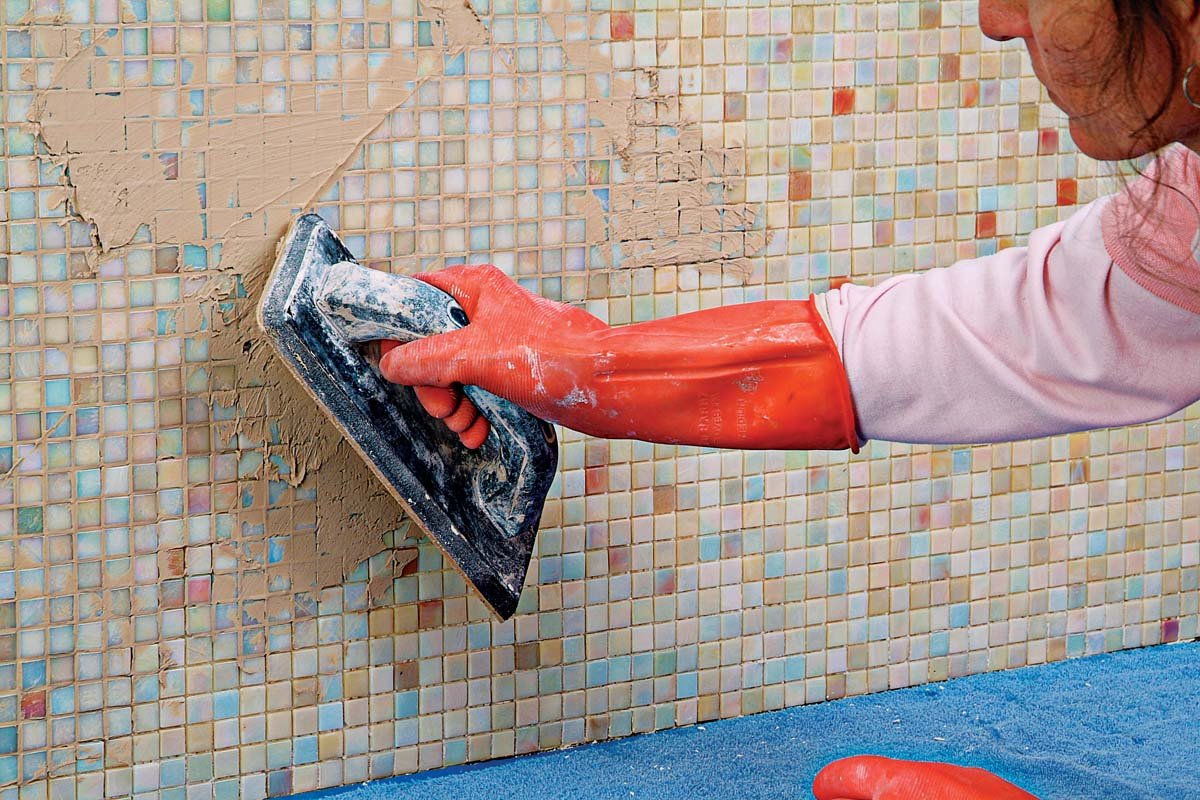
Application using soft rubber floats rather than hard tools prevents scratching glass surfaces during grout spreading. Working diagonally across tile patterns forces grout deeply into joints ensuring complete filling without voids.
Joint filling requires sufficient pressure ensuring grout completely fills spaces without air pockets while avoiding excessive force that might dislodge tiles or damage delicate installations.
Initial cleanup begins shortly after application using soft sponges and clean water removing excess grout from tile surfaces before it hardens excessively. Gentle wiping rather than aggressive scrubbing prevents scratching while effectively removing grout films.
Haze removal addresses residual grout film using appropriate cleaners and soft cloths. Multiple light passes prove more effective and safer than aggressive single cleaning attempts.
Curing time must be respected, avoiding water exposure or stress until grout fully hardens. Epoxy grouts typically cure within 24 hours though full strength develops over several days.
Maintenance and Long-Term Care
Properly installed Crystal Glass Grout requires minimal maintenance while maintaining appearance indefinitely with basic care.
Routine cleaning with mild detergent and soft cloths removes normal soiling without special products or intensive effort. The non-porous surface releases dirt easily preventing accumulation requiring aggressive intervention.
Avoiding abrasive cleaners and scrubbing tools protects both grout and glass from scratching. Quality epoxy grout withstands most household cleaners though harsh abrasives should be avoided.
Sealing proves unnecessary with epoxy grouts due to inherent impermeability, unlike cement-based grouts requiring periodic resealing. This maintenance advantage saves ongoing effort while ensuring consistent stain resistance.
Chemical exposure from pool treatments or household cleaners causes no damage to properly formulated glass tile grout, allowing use of necessary cleaning products without degradation concerns.
Professional restoration can address rare problems though quality installations using appropriate products rarely require intervention beyond routine cleaning.
Conclusion
Successful glass tile installations require specialized grout formulations like Crystal Glass Grout that address glass's unique requirements including scratch sensitivity, transparency considerations, and demanding environmental exposure. Through epoxy-based composition eliminating porosity and staining vulnerability, non-abrasive formulation protecting delicate surfaces, strategic color selection enhancing rather than compromising tile beauty, and proper application techniques ensuring professional results, specialized glass tile grout transforms premium tile investments into stunning installations maintaining pristine appearance through decades of service. Whether installing shimmering pool interiors, luminous kitchen backsplashes, or spa-like bathroom features, understanding and using appropriate grout products proves essential for realizing glass tile's full aesthetic potential while ensuring durable, maintainable installations that justify premium material investments through lasting beauty and reliable performance.








0 Comments