
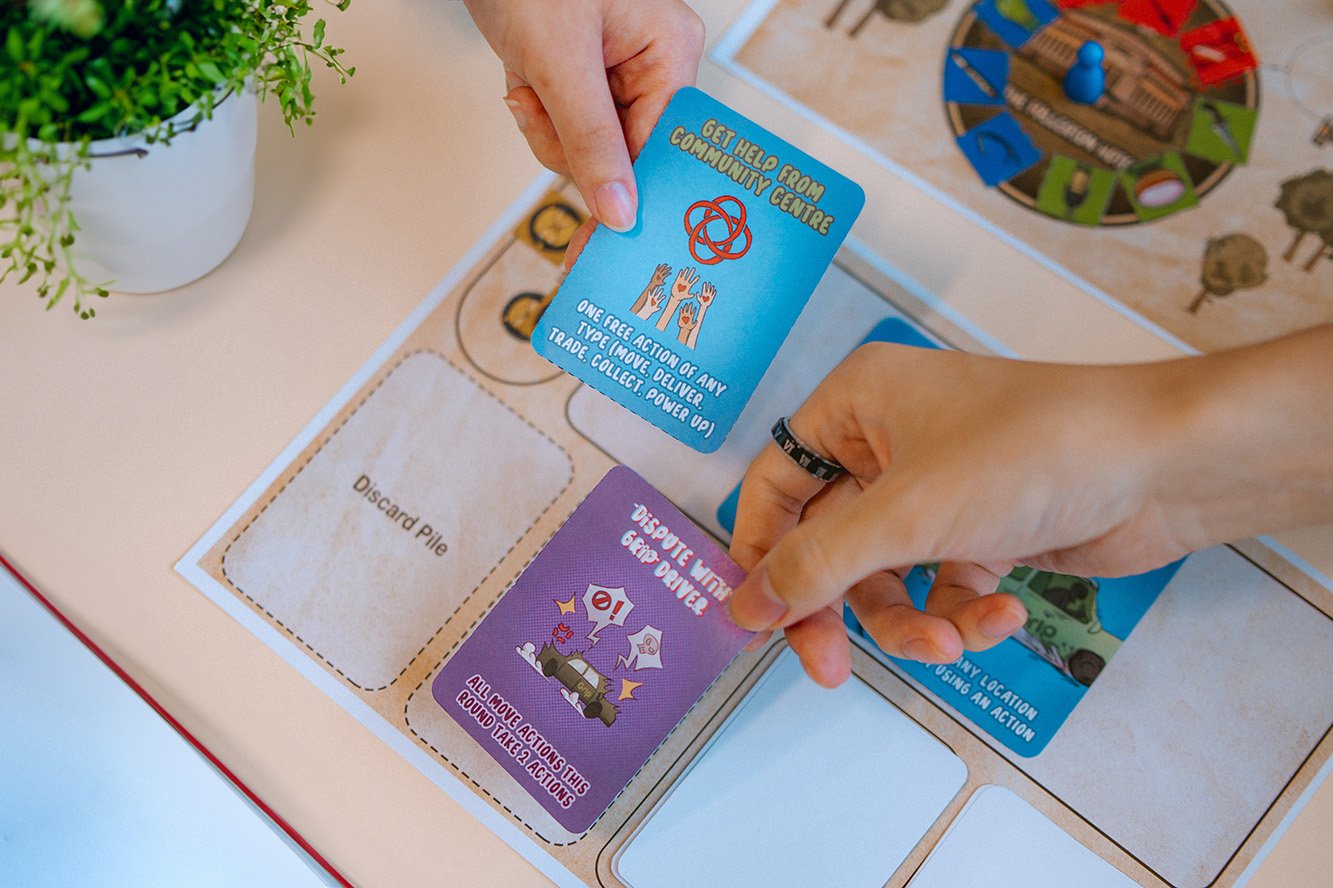
From Gamer to Game Designer: The Right Classes That Make It Possible
When Playing Starts to Feel Different
At some point, every gamer experiences a shift. You are still playing, but you begin to notice things differently.
A level feels slightly unbalanced, a mechanic becomes repetitive, or a boss fight feels unfair. You don’t stop playing, but you stop playing passively.
You start observing.
This is the moment where the transition begins - from simply experiencing a game to understanding how it works.
Most gamers already have an instinct for pacing, difficulty, and reward systems. However, this knowledge is unstructured and based on experience rather than formal learning.
That gap separates playing from creating.
Why This Career Path Is Growing
The gaming industry has expanded far beyond entertainment. It is now one of the fastest-growing global industries, driven by:
- Mobile gaming reaching wider audiences
- Live-service games that evolve continuously
- Esports creating competitive ecosystems
- Emerging technologies like AR and VR
This growth has increased demand for professionals who can design engaging player experiences.
For gamers, this is a natural advantage - you already understand players. The next step is learning how to translate that understanding into systems.
Gamer vs Game Designer
The difference between a gamer and a game designer is not just what they do, but how they think.
A gamer focuses on outcomes - completing levels, unlocking rewards, and progressing through the story. A designer focuses on how those outcomes are created.
They ask:
- Why does this level feel smooth?
- Why is this mechanic satisfying?
- Why does this part feel frustrating?
Over time, this mindset becomes automatic. However, understanding a game does not mean you can build one. That is where most people get stuck.
Where Beginners Struggle
Many aspiring designers face the same challenges:
- They can identify problems but cannot fix them
- They have ideas but don’t know how to implement them
- They follow tutorials but rarely complete full projects
This is not due to lack of effort, but lack of structure. Learning without direction often leads to confusion and incomplete progress.
What You Learn in Game Design Classes
Game design classes provide a clear learning path where everything connects. Instead of random tutorials, you learn how to build complete experiences.
Key areas include:
- Game design fundamentals - mechanics, systems, player behaviour
- Game engines like Unity or Unreal - turning ideas into playable builds
- Level design - pacing, layout, and difficulty
- UI/UX - how players interact with the game
- Narrative design - integrating story with gameplay
Most importantly, you work on real projects. This helps you move from theory to execution.
Why Structured Learning Makes a Difference
Trying to learn everything on your own can slow progress. Structured learning offers:
- A clear roadmap
- Step-by-step skill development
- Project completion instead of unfinished ideas
- Feedback that improves your work faster
This approach reduces guesswork and helps you focus on building practical skills that align with industry expectations.
From Playing to Creating
If you have reached a point where you analyse games while playing, you are already on the right path. The next step is to start building.
You are not starting from zero. You are building on your existing understanding and turning it into real skills.
With the right classes, this transition becomes much easier and more structured.
Conclusion
Moving from gamer to game designer is about shifting from observation to creation. It requires structured learning, consistent practice, and the ability to turn ideas into playable experiences.
The gaming industry continues to grow, and the demand for skilled designers is increasing. With the right guidance, your passion for games can become a professional career.
To build industry-ready skills through practical learning and real-world projects, explore programs at MAGES Institute.







0 Comments