
Exterior Painting Process Explained for Homeowners (Prep, Paint & Protection)
Exterior painting is one of the most important investments homeowners can make to protect and enhance their property. While fresh paint improves curb appeal, the real value of professional exterior house painting services lies in the process behind the finish. Proper preparation, skilled application, and long-term protection determine whether a paint job lasts for years or begins to fail within a season.
Many homeowners considering exterior painters focus on colour selection or cost, but understanding how the work is completed helps set realistic expectations and ensures better decision-making when hiring a contractor. This guide explains the full exterior painting process, step by step, so homeowners know what to expect and why professional standards matter.
Why the Exterior Painting Process Is Critical for Homeowners
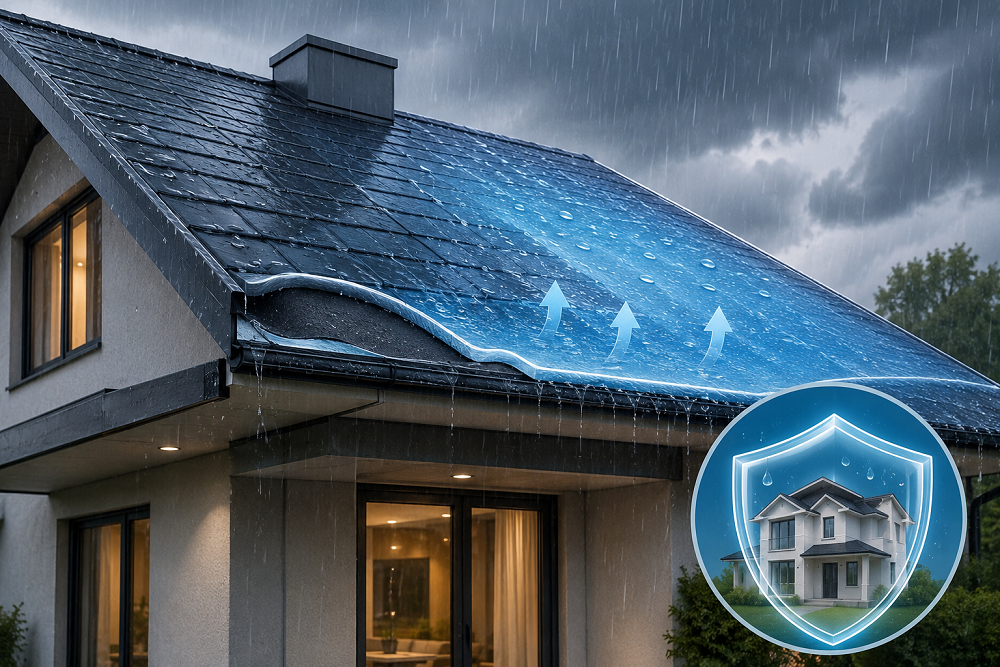
In Canada, exterior surfaces are exposed to harsh weather conditions including freeze-thaw cycles, moisture, UV radiation, and temperature fluctuations. These elements cause paint breakdown, wood expansion, cracking, and moisture intrusion if surfaces are not properly protected.
Professional exterior house painting services follow a structured process designed to protect siding, trim, and structural materials rather than simply improve appearance. Skipping preparation or using improper techniques can lead to peeling, blistering, and premature failure, ultimately costing more in repairs and repainting.
For homeowners researching exterior house painting services, understanding this process helps distinguish experienced professionals from low-quality providers and ensures long-term value for the investment.
Step One: Professional Surface Preparation
Surface preparation is the foundation of a durable exterior paint job. Most professional painters agree that preparation determines the majority of a project’s success.
Exterior Inspection and Surface Assessment
The process begins with a detailed inspection of all exterior surfaces. Painters assess peeling or flaking paint, wood rot, cracks, mildew growth, and moisture-related damage. Different siding materials such as wood, stucco, aluminum, or fiber cement require specific preparation methods.
Professional contractors also evaluate environmental exposure, drainage issues, and previous paint failures to determine the correct approach for long-term performance.
Cleaning and Paint Removal
Before any paint is applied, surfaces must be thoroughly cleaned. This typically involves pressure washing or soft washing to remove dirt, chalking residue, mold, and airborne pollutants. According to the Paint Quality Institute, proper cleaning ensures paint adhesion and prevents early coating breakdown.
Loose or failing paint is scraped and sanded to create a stable surface. This step is critical, as painting over deteriorated coatings leads to premature peeling regardless of paint quality.
Repairs, Caulking, and Priming
Once surfaces are clean, damaged areas are repaired. This may include replacing rotted wood, filling cracks, and sealing gaps with professional-grade caulking. Proper sealing prevents moisture intrusion, which is a leading cause of exterior paint failure.
Priming follows repairs. The correct primer improves adhesion, blocks stains, and creates a uniform surface for topcoats. Paint manufacturers such as Sherwin-Williams emphasize that primers are essential for long-term durability, especially on bare wood or repaired areas.
Step Two: Exterior Paint Application
With preparation complete, the painting stage focuses on craftsmanship, materials, and environmental control.
Choosing the Right Exterior Paint
Exterior paints are formulated to withstand moisture, UV exposure, and temperature changes. Acrylic latex paints are commonly used for their flexibility and durability in Canadian climates. Low-VOC options are also available and are increasingly preferred for environmental and health reasons.
Selecting the right product involves more than choosing a colour. Professional painters consider surface type, exposure conditions, and expected lifespan to ensure optimal performance.
Professional Application Techniques
Paint application methods vary depending on the surface and project requirements. Brushes, rollers, and sprayers each serve specific purposes. Professionals apply paint at the correct thickness, ensuring even coverage and proper drying between coats.
Multiple coats are typically required to achieve full protection. Rushing this step or applying paint too thinly reduces durability and compromises appearance.
Weather Conditions and Timing
Exterior painting is highly sensitive to weather. Temperature, humidity, and overnight conditions all affect curing and adhesion. Experienced contractors schedule projects around weather forecasts and seasonal conditions to prevent moisture trapping or surface damage.
This planning is one reason homeowners benefit from hiring professional exterior painters rather than attempting DIY projects without proper environmental controls.
Step Three: Protection, Curing, and Quality Control
The final stage ensures the paint system performs as intended over time.
Final Inspections and Touch-Ups
Once painting is complete, professionals conduct detailed inspections to identify missed areas, uneven coverage, or imperfections. Touch-ups are completed to ensure a uniform finish and clean lines.
Homeowners are often invited to review the work to confirm satisfaction before project completion.
Curing Time and Post-Paint Care
Exterior paint continues to cure after application. While surfaces may feel dry within hours, full curing can take several days or weeks depending on conditions. During this time, homeowners should avoid washing surfaces or exposing them to unnecessary moisture.
Understanding curing timelines helps prevent accidental damage and ensures the coating reaches its full protective potential.
Long-Term Protection and Maintenance
A properly completed exterior paint job acts as a protective barrier against moisture and environmental wear. According to the Canadian Mortgage and Housing Corporation, routine exterior maintenance significantly extends the lifespan of siding and structural components.
Homeowners should periodically inspect painted surfaces and address minor issues early to maximize longevity.
How to Choose the Right Exterior Painting Contractor
Selecting the right contractor is just as important as the process itself. Homeowners should look for licensed and insured professionals with documented experience in exterior projects.
Written estimates should clearly outline preparation steps, materials, timelines, and warranties. Reputable contractors explain their process transparently and do not rely on vague descriptions or unusually low pricing.
Understanding the difference between manufacturer paint warranties and contractor workmanship warranties also helps homeowners set realistic expectations.
Common Exterior Painting Mistakes Homeowners Should Avoid
Many issues arise when preparation is rushed, low-quality materials are used, or painting is done at the wrong time of year. Choosing a contractor based solely on price often leads to compromised results. A professional process focused on preparation, application, and protection consistently delivers better long-term outcomes.
Industry Standards and Trusted Research
Exterior painting best practices are supported by established industry guidance. The Environmental Protection Agency provides lead-safe recommendations for older homes, which remain relevant for Canadian homeowners with pre-1990 properties. Paint performance data from manufacturers and maintenance guidelines from housing authorities reinforce the importance of professional standards.
Frequently Asked Questions About Exterior House Painting Services
How long does a professional exterior paint job last?
When properly prepared and applied, exterior paint can last five to ten years depending on surface type, exposure, and maintenance.
How often should homes be repainted in Canada?
Most Canadian homes require repainting every six to eight years due to climate conditions.
Is exterior painting worth the investment for resale value?
Yes. Exterior painting improves curb appeal and protects structural materials, both of which positively influence property value.
How long does the exterior painting process take?
Most projects take several days to two weeks, depending on size, weather, and required repairs.
Can homeowners remain in the house during exterior painting?
Yes. Exterior projects typically cause minimal disruption when managed by professionals.
Conclusion: What Homeowners Should Expect from Professional Exterior Painting
Exterior painting is a structured process built around preparation, skilled application, and long-term protection. Understanding these steps helps homeowners make informed decisions when researching and hiring exterior painters.
Professional exterior house painting services deliver more than visual improvement. They protect homes from environmental damage, extend material lifespan, and provide lasting value. By focusing on process rather than price alone, homeowners can ensure their investment stands the test of time.






0 Comments