

Emergency Cold Room Repair: What to Do Before the Technician Arrives?
A cold room breakdown is one of the most stressful situations for businesses that rely on refrigeration. Whether you run a restaurant, supermarket, hotel, pharmacy, or food warehouse, every minute counts when the temperature starts rising.
Products can spoil quickly, food safety may be compromised, and business operations can be interrupted. While calling a refrigeration technician should always be the first step, there are also important actions you can take before the technician arrives to reduce damage and protect your stock.
Staying calm and reacting quickly can make a huge difference during an emergency cold room failure.
Confirm the Problem First
Before assuming the entire system has failed, take a few minutes to check the basics.
Sometimes the issue may be simpler than expected, such as:
- A power outage
- A tripped circuit breaker
- An accidentally unplugged unit
- Incorrect thermostat settings
- A door left partially open
Verify whether the cold room is completely off or simply struggling to maintain temperature.
Also check if alarms, warning lights, or unusual noises are present. These details can help the technician diagnose the issue faster once they arrive.
Keep the Cold Room Door Closed
One of the biggest mistakes during a refrigeration emergency is opening the cold room repeatedly to “check the situation.”
Every time the door opens:
- Warm air enters the room
- The internal temperature rises faster
- Moisture increases inside the system
- Products lose cold protection more quickly
Keeping the door closed helps preserve the remaining cold air for as long as possible.
In many cases, a well-insulated cold room can maintain a safe temperature for several hours if the door remains shut.
Monitor the Temperature
If possible, monitor the internal temperature regularly using the room’s display or an independent thermometer.
This helps you:
- Understand how quickly the temperature is rising
- Identify which products are most at risk
- Provide useful information to the technician
- Decide whether products need to be moved urgently
Keeping a written record of temperature changes can also help with food safety documentation if required.
Protect Sensitive Products First
Not all products react the same way to temperature changes.
Highly sensitive items should be prioritized, including:
- Fresh meat and seafood
- Dairy products
- Frozen goods
- Vaccines or medications
- Prepared meals
If you have access to backup refrigeration, insulated containers, or another cold room, transfer the most sensitive products first.
The faster you react, the more stock you may be able to save.
Avoid Overloading Backup Refrigeration
When moving products into another refrigerator or freezer, avoid overcrowding the space.
Overloading backup equipment can:
- Reduce airflow
- Increase cooling time
- Cause additional equipment strain
- Lead to another refrigeration problem
Organize products carefully and allow enough space for proper air circulation.
Check for Obvious Signs of Damage
Without attempting repairs yourself, you can visually inspect the installation for obvious issues such as:
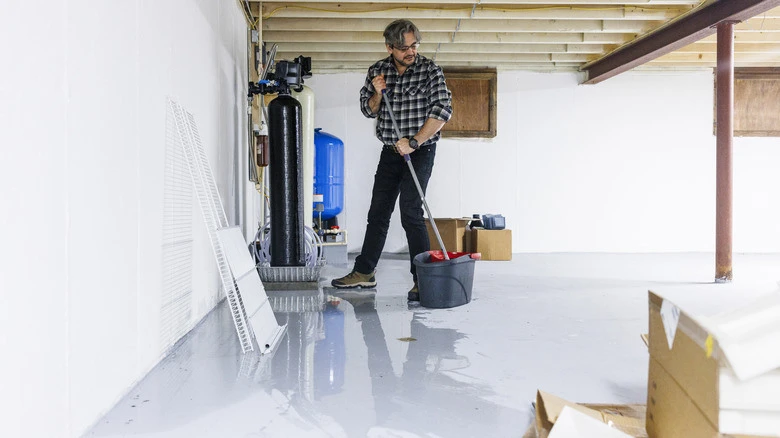
- Water leaks
- Excessive ice buildup
- Burn smells
- Loose cables
- Blocked ventilation areas
- Unusual vibration or noise
These observations can help the technician identify the source of the breakdown more quickly.
However, avoid touching electrical components or attempting technical repairs if you are not qualified.
Turn Off the System if Necessary
In some situations, keeping the system running may cause further damage.
For example:
- Loud mechanical noises
- Electrical burning smells
- Repeated short cycling
- Visible smoke
If the equipment appears unsafe, disconnect the power supply and wait for professional assistance.
Safety should always come first.
Prepare Information for the Technician
Before the technician arrives, gather as much information as possible about the issue.
Helpful details include:
- When the problem started
- Current room temperature
- Any alarm messages
- Recent maintenance history
- Strange sounds or behavior
- Whether the issue happened before
Providing accurate information can speed up diagnosis and repairs significantly.
Inform Your Staff
If you operate a business with employees, make sure everyone understands the situation.
Staff should know:
- Not to open the cold room unnecessarily
- Which products are most sensitive
- Where backup storage is located
- How to follow emergency procedures
Clear communication helps avoid confusion and reduces additional risks.
Have an Emergency Refrigeration Plan
Many businesses only think about emergency procedures after a breakdown happens.
A proper emergency plan should include:
- Contact details for refrigeration technicians
- Backup cold storage solutions
- Temperature monitoring procedures
- Product transfer protocols
- Emergency power options if available
Preparation can save valuable time during a real emergency.
Why Fast Action Matters
Delaying action during a cold room breakdown can lead to serious consequences:
- Product spoilage
- Financial losses
- Health and safety risks
- Regulatory issues
- Business interruption
In industries where refrigeration is critical, even a short failure can become extremely costly.
Quick action before the technician arrives helps minimize damage and keeps the situation under control.
Conclusion
An emergency cold room breakdown can be stressful, but the right actions can protect your products and reduce losses while waiting for professional repair.
Keeping the door closed, monitoring temperatures, protecting sensitive stock, and gathering useful information for the technician are simple but essential steps.
Most importantly, businesses should never wait for a major failure before preparing an emergency response plan. In refrigeration, prevention and fast reaction are always the best protection against costly downtime.
Company profile : Technicool Srl
Informations de l'Entreprise
Company profile : Technicool Srl
Adresse :
- Address : Rue Jakob Smits 17
- City : Bruxelles
- Postal code: 1070
- Country : Belgique
phone : +32 475 81 56 51
Email : info@technicool.be
Website : technicool








0 Comments