
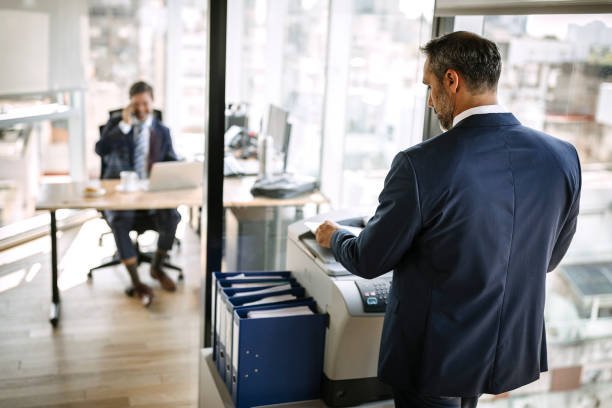
Email to Fax: Quick, Simple, and Cost-Effective Faxing Directly from Your Email
Faxing has played a vital role in business communication, especially in industries that rely on signed documents, legal notices, and secure information exchange. While traditional fax machines once dominated offices, modern workflows demand faster, more flexible, and more affordable solutions. This is where email-based faxing steps in, transforming an old technology into a streamlined digital process that fits seamlessly into today’s communication habits.
Email to fax services allow users to send faxes directly from their email accounts without the need for physical fax machines, phone lines, or printed documents. By combining the familiarity of email with the reliability of fax delivery, organizations of all sizes can modernize their document workflows while maintaining compatibility with partners who still rely on fax.
Understanding How Email-Based Faxing Works
At its core, faxing through email is remarkably simple. Instead of printing a document and feeding it into a fax machine, users attach a digital file—such as a PDF or Word document—to an email. The recipient’s fax number is entered in a special email address format provided by the fax service. Once sent, the service converts the attachment into a fax signal and delivers it to the recipient’s fax machine or fax-enabled system.
This process eliminates the mechanical steps traditionally associated with faxing. There is no dialing, no busy signals, and no waiting by the machine to confirm transmission. Everything happens within the email environment that users already know, making adoption quick and intuitive.
Why Businesses Are Moving Away from Traditional Fax Machines
Traditional fax machines come with several drawbacks. They require dedicated phone lines, regular maintenance, paper, toner, and physical space. They also limit mobility, as users must be present at the machine to send or receive documents. In contrast, digital faxing through email removes these constraints entirely.
Modern organizations increasingly operate with remote or hybrid teams. Employees may work from home, travel frequently, or collaborate across multiple locations. Email-based faxing supports this flexibility by allowing documents to be sent from anywhere with an internet connection. This shift not only improves productivity but also aligns with broader digital transformation goals.
Key Benefits of Faxing Directly from Email
One of the most significant advantages of faxing through email is convenience. Users do not need to learn new software or manage complex systems. If you can send an email, you can send a fax. This ease of use reduces training time and minimizes errors in document transmission.
Cost savings are another major factor. By eliminating hardware, phone lines, and consumables, businesses can significantly reduce operational expenses. Many services operate on predictable subscription models, making budgeting easier and more transparent compared to maintaining physical equipment.
Speed and efficiency also improve dramatically. Documents can be sent in seconds, and delivery confirmations are often returned via email. This immediate feedback allows users to track transmissions and respond quickly if an issue arises, rather than discovering a failed fax hours later.
Security and Compliance Considerations
Faxing has long been considered a secure method of communication, particularly in regulated industries such as healthcare, finance, and legal services. Email-based faxing preserves this security while enhancing it with modern protections. Most reputable services use encryption, secure data centers, and access controls to protect sensitive information.
Additionally, digital faxing creates clear audit trails. Sent and received faxes can be archived electronically, making it easier to retrieve documents for compliance audits or internal reviews. This is especially valuable for organizations that must adhere to strict record-keeping requirements.
Integration with Existing Workflows
Another reason email-based faxing has gained popularity is its ability to integrate smoothly with existing business processes. Since email is already central to most workflows, adding fax functionality does not disrupt daily operations. Employees can send faxes from their usual inboxes, and incoming faxes can be delivered as email attachments.
Some services also integrate with document management systems, cloud storage platforms, and customer relationship management tools. This allows organizations to automate document handling, reduce manual data entry, and ensure that important communications are stored in the right place from the start.
Environmental Impact and Sustainability
Beyond efficiency and cost, digital faxing offers environmental benefits. Traditional faxing consumes paper and toner, contributing to waste and higher resource usage. By sending and receiving documents electronically, businesses can reduce their environmental footprint and support sustainability initiatives.
This paperless approach aligns with broader trends toward eco-friendly operations. It also simplifies document organization, as digital files are easier to search, share, and back up than stacks of printed pages.
Choosing the Right Email Fax Service
When selecting a fax service that works through email, organizations should consider reliability, security, supported file formats, and customer support. It is also important to evaluate how well the service scales with business growth. A small team may have modest faxing needs today, but those requirements can increase as operations expand.
Pricing structures vary, so understanding monthly limits, overage fees, and international faxing costs is essential. A well-chosen provider will offer transparent pricing and flexible plans that adapt to changing needs.
Use Cases Across Different Industries
Email-based faxing is used across a wide range of sectors. Healthcare providers rely on it to send patient records and referrals securely. Legal firms use it for contracts, court documents, and official notices. Financial institutions transmit forms and authorizations that require secure handling and verifiable delivery.
Even small businesses and freelancers benefit from the ability to fax without investing in bulky equipment. Whether sending invoices, signed agreements, or compliance documents, the ability to fax from email simplifies communication with partners who still depend on fax technology.
The Future of Fax in a Digital World
While fax may seem like a legacy technology, its continued use proves its reliability and legal acceptance. What has changed is the method of access. Solutions like email to fax bridge the gap between traditional communication standards and modern digital workflows, ensuring that fax remains relevant without holding businesses back.
As organizations continue to embrace remote work, cloud services, and automation, faxing through email will likely become the default approach. It offers a practical way to honor existing requirements while moving toward a more agile and efficient future.
Conclusion
Faxing no longer needs to be slow, expensive, or tied to outdated hardware. By sending faxes directly from email, businesses can enjoy faster communication, lower costs, improved security, and greater flexibility. With minimal setup and seamless integration into everyday workflows, email to fax represents a smart evolution of a trusted communication method—one that meets the demands of modern business without sacrificing reliability or compliance.


0 Comments