
Electric Switches and Types of Switchgear: Complete Guide for Buyers
Electrical systems are an essential part of modern living, powering homes, offices, industries, and infrastructure.Behind the convenience of electricity lies a carefully designed network of control and protection devices that ensure safe and efficient operation.Among the most important of these components are electric switches and the various types of switchgear used across electrical installations. For buyers, electricians, engineers, and facility managers, understanding how these devices work and where they are used is crucial.The right selection not only improves safety but also enhances durability, performance, and long-term cost efficiency. This guide explains the fundamentals, applications, and buying considerations for electric switches and switchgear systems.
Understanding the Role of Electric Switches
Electric switches are devices used to control the flow of electrical current in a circuit. They allow users to turn appliances, lighting, and equipment on or off as required. In residential settings, electric switches provide convenience and safety by enabling easy control of electrical loads. In commercial and industrial environments, they support operational efficiency and system management. Although they may appear simple, electric switches play a vital role in preventing electrical hazards by ensuring controlled power delivery.
How Electric Switches Work
An electric switch operates by opening or closing an electrical circuit. When the switch is turned on, the circuit is completed and current flows to the connected load. When turned off, the circuit is broken, stopping the flow of electricity. Modern electric switches are designed with improved insulation, better contact materials, and enhanced durability to handle frequent operation. Their design ensures minimal arcing, reduced wear, and safe long-term use.
Types of Electric Switches Used in Installations
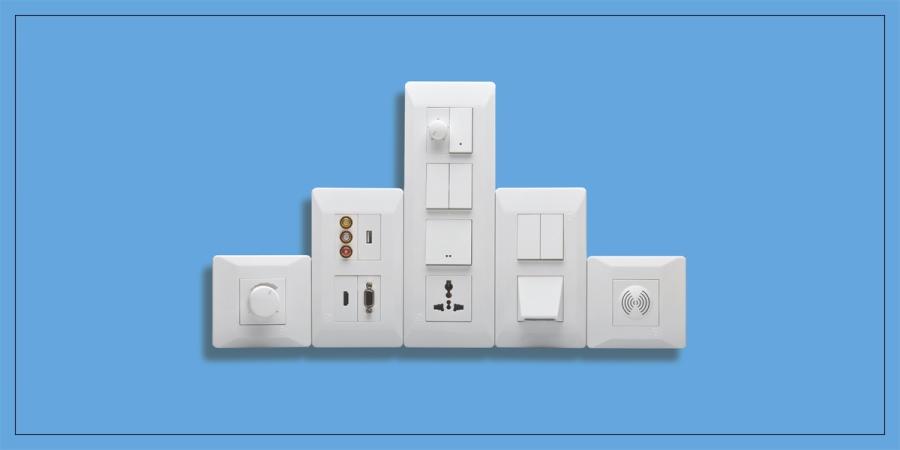
There are several types of electric switches designed for different applications. Single-pole switches are commonly used for basic lighting control in homes. Double-pole switches control higher loads and provide enhanced safety by disconnecting both live and neutral lines. Intermediate and two-way switches are used where control from multiple locations is required, such as staircases and corridors. Modular electric switches are widely used in modern interiors due to their aesthetic appeal, flexibility, and ease of replacement.
Importance of Quality Electric Switches
Low-quality switches can lead to loose contacts, overheating, and electrical failures. This increases the risk of fire hazards and equipment damage. High-quality electric switches ensure reliable performance, smooth operation, and compliance with safety standards. They are designed to withstand voltage fluctuations and frequent usage without degradation. For buyers, investing in reliable switches is a long-term safety decision rather than just a cosmetic choice.
Introduction to Switchgear Systems
While electric switches control individual circuits, switchgear systems manage, protect, and isolate entire electrical networks. Switchgear refers to a combination of devices used to control, protect, and isolate electrical equipment. Understanding the types of switchgear is essential for anyone involved in electrical system design or procurement. Switchgear ensures continuity of supply while safeguarding equipment and personnel.
Purpose of Switchgear in Electrical Systems
Switchgear is responsible for detecting faults, isolating faulty sections, and maintaining system stability. It protects electrical equipment from overloads, short circuits, and abnormal operating conditions. In large installations, switchgear enables safe maintenance by isolating sections of the system without shutting down the entire network. This makes it indispensable in industrial and commercial environments.
Overview of Types of Switchgear
The types of switchgear are generally classified based on voltage levels and application areas. Each type is designed to meet specific operational and safety requirements. Understanding these classifications helps buyers select the right switchgear for their electrical systems.
Low Voltage Switchgear
Low-voltage switchgear is used in systems operating at relatively low voltage levels, typically found in residential, commercial, and light industrial installations. It includes devices such as circuit breakers, isolators, and protective relays. Low-voltage switchgear works closely with electric switches to ensure safe power distribution within buildings. It is known for ease of installation, maintenance, and cost efficiency.
Medium Voltage Switchgear
Medium voltage switchgear is used in power distribution networks, industrial plants, and substations. It handles higher voltage levels and is designed to manage significant electrical loads. Among the types of switchgear, medium voltage systems offer a balance between capacity and operational flexibility. They play a critical role in ensuring an uninterrupted power supply in large facilities.
High Voltage Switchgear
High-voltage switchgear is used in transmission systems and power generation plants. It is designed to handle extremely high voltages and fault currents. This type of switchgear requires advanced insulation, precise engineering, and strict safety measures. Although not commonly encountered by residential buyers, it is essential for the national power infrastructure.
Relationship Between Electric Switches and Switchgear
While electric switches control localized circuits, switchgear systems manage broader power distribution and protection. Both components work together to create a safe and reliable electrical system. In a building, electric switches provide user-level control, while switchgear ensures system-level safety. Understanding this relationship helps buyers make informed decisions when planning electrical installations.

Factors to Consider When Buying Electric Switches
When selecting electric switches, buyers should consider load capacity, build quality, and safety certifications. The design and finish should match interior aesthetics, especially in residential and commercial spaces. Durability and ease of installation are also important factors. High-quality switches reduce maintenance needs and ensure consistent performance over time.
Factors to Consider When Choosing Switchgear
Selecting the right types of switchgear depends on voltage level, fault current rating, and application environment. Compliance with national and international standards is essential for safety and reliability. Buyers should also consider future expansion needs, ease of maintenance, and availability of technical support. Proper selection ensures long-term operational efficiency and safety.
Installation and Maintenance Considerations
Proper installation is critical for both electric switches and switchgear. Incorrect wiring or poor mounting can compromise safety and performance. Regular inspection and maintenance help identify wear, loose connections, or environmental damage. Well-maintained electrical components reduce downtime and enhance system reliability.
Energy Efficiency and System Reliability
Efficient electric switches contribute to energy conservation by minimizing contact resistance and power loss. Similarly, modern switchgear systems improve energy efficiency by optimizing power distribution.Reliable switchgear reduces the risk of unplanned outages and equipment damage. Together, these components support sustainable and cost-effective electrical systems.
Future Trends in Electrical Control and Protection
The electrical industry is evolving toward smarter and more integrated solutions. Smart electric switches now offer remote control, automation, and energy monitoring. Advanced types of switchgear include digital monitoring, predictive maintenance, and communication capabilities. These innovations improve safety, efficiency, and operational control.
Conclusion
Selecting the right electrical components is essential for safe and efficient power management. Electric switches provide everyday control and convenience, while understanding the different types of switchgear ensures proper system protection and reliability. For buyers, informed decisions lead to improved safety, reduced maintenance costs, and long-term value. By choosing trusted electrical solutions from established manufacturers such as Lauritz Knudsen Electrical and Automation, users can ensure quality, compliance, and dependable performance across residential, commercial, and industrial installations.


0 Comments