
Electric Charging Stations: What Every EV Driver Should Know
Electric vehicles (EVs) are becoming an increasingly common sight on roads as more people choose cleaner and more sustainable transportation. While owning an EV offers many advantages, understanding how electric charging stations work is essential for a smooth driving experience. From knowing the different charger types to finding the electric charging station for your needs, every EV driver should be familiar with the basics. Whether you're commuting daily or planning a road trip, choosing the right DC charging station and charging strategy can improve convenience, reduce downtime, and help you get the most from your electric vehicle.
Why EV Charging Stations Are Essential
Unlike conventional vehicles that rely on fuel stations, electric vehicles depend entirely on charging infrastructure. A growing network of charging stations makes EV ownership more practical by ensuring drivers can recharge their vehicles at home, workplaces, shopping centers, parking facilities, and highways.
Reliable charging infrastructure offers several benefits:
- Reduces range anxiety
- Supports long-distance travel
- Encourages wider EV adoption
- Improves convenience for daily commuting
- Promotes cleaner transportation
As charging networks continue to expand, owning an electric vehicle becomes easier than ever.
Understanding the Different Types of EV Chargers
Not every charging station delivers electricity at the same speed. Knowing the different charger types helps drivers select the right option for their travel and charging needs.
AC Chargers
An AC fast charger supplies alternating current (AC) to the vehicle, where the onboard charger converts it into direct current (DC) for the battery. These chargers are commonly installed at:
- Homes
- Apartment complexes
- Office buildings
- Hotels
- Shopping malls
- Public parking spaces
They are ideal for situations where vehicles remain parked for several hours, such as overnight charging or during the workday.
DC Fast Chargers
DC fast chargers deliver direct current directly to the battery, allowing significantly faster charging than AC chargers.
These chargers are commonly found:
- Along highways
- At commercial charging hubs
- Fleet charging locations
- High-traffic urban areas
They are particularly useful for long-distance travel or when drivers need a quick recharge.
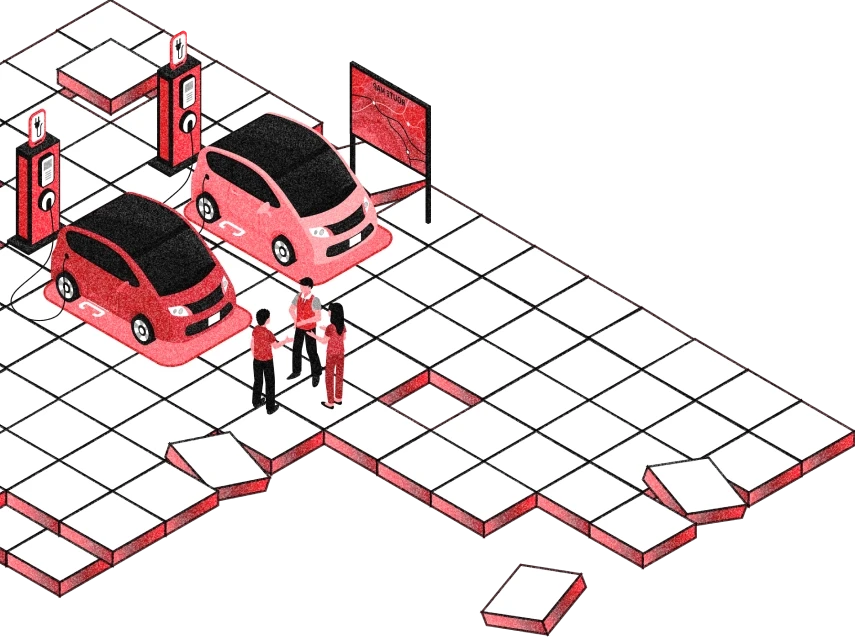
How to Choose the Best Charging Station
Finding the best EV charging station involves more than simply choosing the nearest location. Drivers should consider several important factors before plugging in.
Charger Compatibility
Ensure the charging station supports your vehicle's connector type and charging standard.
Charging Speed
Select a charger that matches your vehicle's maximum charging capability. A higher-powered charger may not always charge your vehicle faster if your EV cannot accept the additional power.
Station Reliability
Look for charging stations that are well maintained, frequently serviced, and known for consistent performance.
Accessibility
Choose stations that are easy to access, have adequate parking space, and operate during your travel schedule.
Smart Features That Improve the Charging Experience
Modern EV charging stations now include advanced technologies that make charging simpler and more efficient.
Common smart features include:
Mobile App Integration
Drivers can locate charging stations, monitor charging sessions, and receive notifications remotely.
Real-Time Availability
Live updates help drivers avoid occupied charging stations and reduce waiting times.
Digital Payments
Cashless payment systems make charging faster and more convenient.
Navigation Support
Integrated route planning recommends charging stops based on battery level and travel distance.
These technologies improve both convenience and overall user experience.
Charging at Home vs Public Charging
Many EV owners combine home charging with public charging depending on their driving habits.
Home Charging
Home charging offers:
- Daily convenience
- Lower charging costs in many cases
- Overnight charging
- Better battery management
It is best suited for drivers with predictable daily travel.
Public Charging
Public charging is ideal for:
- Long-distance journeys
- Emergency charging
- Urban drivers without home charging
- Commercial vehicle fleets
A combination of home and public charging provides maximum flexibility.
What Makes a Good Charging Location?
A quality charging station offers more than electricity.
Look for locations that provide:
- Safe parking
- Well-lit surroundings
- Clean facilities
- Restaurants or cafés nearby
- Restrooms
- Shopping options
- Easy highway access
These amenities make charging stops more comfortable, especially during longer journeys.
Tips to Maximize Charging Efficiency
Charging habits can influence both convenience and battery performance.
Follow these best practices:
- Plan charging stops before long trips.
- Avoid waiting until the battery is nearly empty.
- Use fast charging only when necessary.
- Keep charging apps updated.
- Monitor battery health regularly.
- Follow manufacturer recommendations for charging.
Smart charging habits help extend battery life while improving travel efficiency.

Common Mistakes EV Drivers Should Avoid
Many new EV owners make avoidable mistakes during their early driving experience.
Some common examples include:
Ignoring Route Planning
Always identify charging stations before beginning long journeys.
Blocking Charging Stations
Move your vehicle once charging is complete so other drivers can use the charger.
Relying on a Single Charging Location
Always have backup charging options available.
Overlooking Compatibility
Not every charging station supports every EV model.
Proper preparation reduces unnecessary delays and improves the overall charging experience.
The Role of Charging Infrastructure in India's EV Future
India's electric mobility ecosystem continues to grow as investments in charging infrastructure increase. Better charging accessibility encourages consumers and businesses to adopt electric vehicles with greater confidence.
Growing charging networks contribute to:
- Reduced carbon emissions
- Improved urban air quality
- Greater energy efficiency
- Increased EV adoption
- Sustainable transportation development
As technology advances, charging stations will become even faster, smarter, and more widely available.
How to Identify the best EV charging station?
Every driver's needs are different, but the best EV charging station usually shares several important characteristics:
- Reliable equipment
- Convenient location
- Fast and efficient charging
- Easy payment options
- Strong customer support
- Clean and secure environment
- Real-time availability updates
Selecting stations with these features helps ensure a smooth and stress-free charging experience.
When Should You Use an AC Charger?
Although many drivers prefer fast charging during road trips, an AC fast charger remains an excellent option in several situations.
It works well when:
- Charging overnight at home
- Parking at the office for several hours
- Staying at a hotel
- Shopping for an extended period
- Maintaining regular battery charging between trips
Choosing the right charging method depends on your travel schedule, available time, and battery requirements.
Conclusion
Understanding how electric charging stations work is essential for every EV owner. By learning about charger types, planning charging stops, and selecting the best EV charging station for your travel needs, drivers can enjoy greater convenience and confidence on every journey.
Using the right AC fast charger at the appropriate time also helps improve efficiency and supports a smoother driving experience. India's Largest EV Charging Network. ChargeZone is pioneering the e-mobility revolution by building high speed public charging infrastructure, helping accelerate the country's transition toward cleaner, smarter, and more connected mobility.







0 Comments