
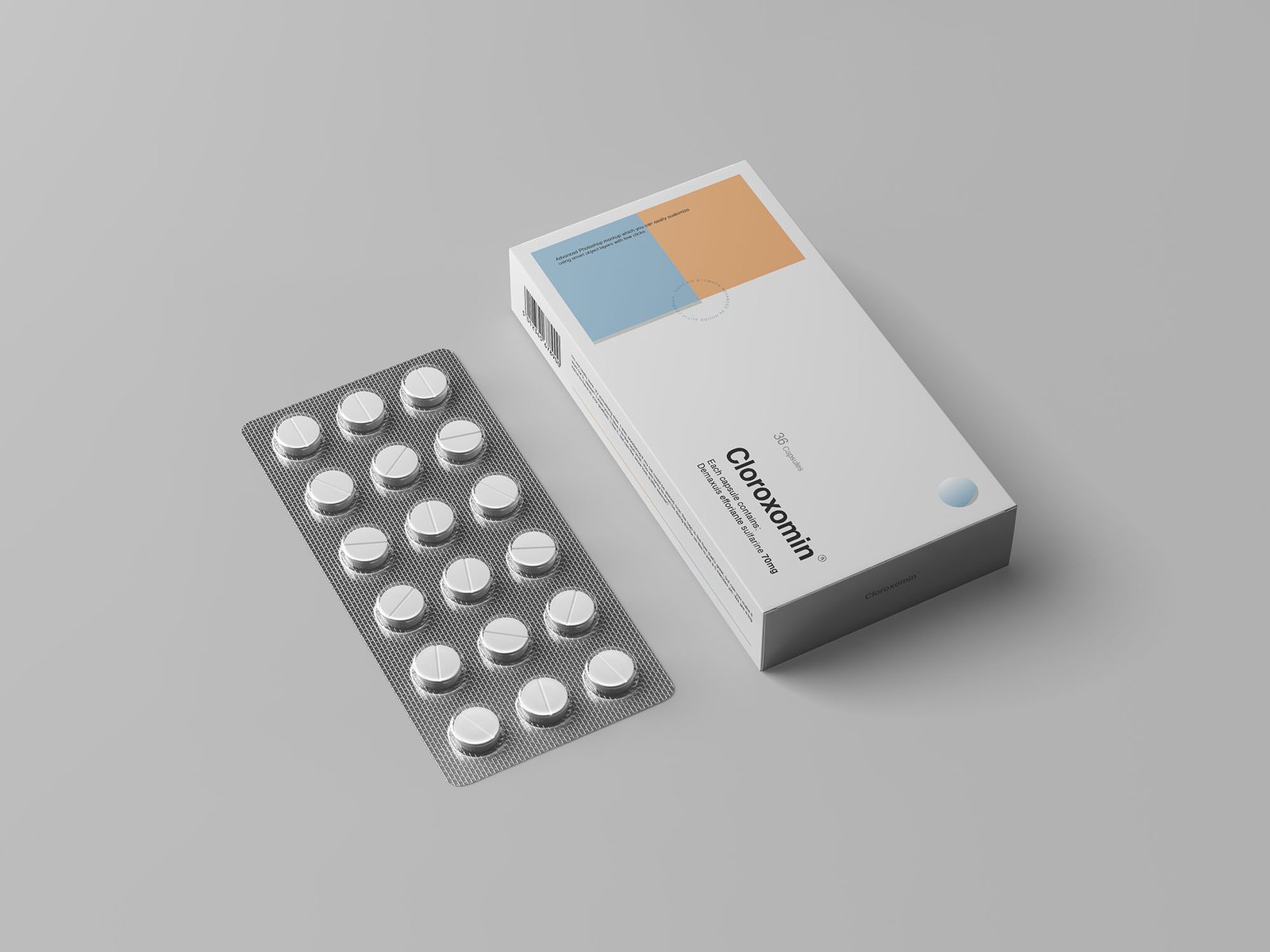
Durable Custom Pill Boxes for Medical and Supplement Products
In the high-stakes world of pharmaceutical and nutraceutical fulfillment, "good enough" packaging is a liability. After nearly eight years of navigating the floor of fulfillment centers and negotiating with material suppliers, I’ve seen firsthand how a single weak link in the primary container can derail an entire product launch.
When we talk about Custom Pill Boxes, we aren’t just discussing a plastic shell; we are talking about the final gateway of consumer trust and the primary line of defense against the rigors of the global supply chain.
The Engineering Behind the Aesthetics
Most brand owners approach packaging from a graphic design perspective. They want the colors to pop on the shelf. But in my experience, the most successful medical and supplement products are those that prioritize structural integrity and chemical compatibility over mere visual flair.
A durable custom pill box must account for "creep" the tendency of solid materials to move slowly or deform permanently under the influence of persistent mechanical stresses. If you’re shipping a heavy 90-day supply of multivitamins, the downward pressure in a stacked pallet can cause inferior resins to hairline fracture. I always advocate for high-density polyethylene (HDPE) or specific grades of polypropylene (PP) that offer a balance between rigidity and enough "give" to survive a four-foot drop in a sorting facility.
The Hidden Logistics of Durability
We often forget that the journey from the manufacturer to the medicine cabinet is brutal. Between the vibrational stress of long-haul trucking and the humidity fluctuations in cargo containers, a "standard" box often fails. This is where Custom Pill Boxes prove their ROI.
By customizing the wall thickness and the locking mechanism (whether it’s a child-resistant push-and-turn or a senior-friendly snap-top), you are mitigating the risk of "product migration." There is nothing that kills a brand faster than a customer opening a box to find a powdered mess of broken tablets. In the consulting world, we call this the "unboxing heartbreak," and it’s entirely preventable through proper material thickness testing and internal compartmentalization.
Common Industry Pitfalls: What Brands Get Wrong
In my tenure, I’ve noticed two recurring mistakes that cost companies thousands in returns and lost reputation:
- Over-Engineering for Weight, Under-Engineering for Friction: Brands often choose thick, heavy plastics to feel "premium," but they ignore the friction coefficient. If the boxes are too smooth, they slide around inside the secondary corrugated shipper, creating heat and static that can degrade sensitive medical coatings.
- The "Universal Fit" Fallacy: Trying to use one box size for five different SKU volumes. This leads to excess "headspace," allowing pills to rattle. This kinetic energy during transit acts like a tiny hammer, slowly chipping away at the product until it reaches the consumer.
The Sustainability Paradox
Here is an opinion that might ruffle some feathers in the "green" marketing departments: PCR (Post-Consumer Recycled) plastic is not always the answer for medical-grade durability.
While the push for sustainability is vital, the structural integrity of recycled resins can be unpredictable. For a supplement brand, a 30% PCR blend is often the "sweet spot." Anything higher, and you risk the material becoming brittle. If a box cracks and exposes a medical product to moisture, the entire unit is wasted, which is the least sustainable outcome possible. Real durability is the ultimate form of sustainability.
Navigating the Supply Chain Crunch
If you are sourcing Custom Pill Boxes in today’s market, you have to look beyond the unit price. I tell my clients to audit the "landed cost." A cheap box from an overseas supplier might look good on a spreadsheet, but if 5% of the shipment arrives with warped lids due to poor cooling cycles during injection molding, your effective cost per unit skyrockets.
Working with a domestic or high-end international partner allows for tighter tolerances. When we design Custom Pill Boxes, we look at the hinge life. A "living hinge", that thin strip of plastic that connects the lid to the base, needs to withstand at least 300 to 500 openings without whitening or tearing. If your supplier isn't providing a cycle-test report, you’re playing with your brand’s longevity.
Conclusion
The medical and supplement sectors are crowded. To stand out, your packaging needs to feel like an extension of the science inside. A sturdy, well-weighted container communicates efficacy before the user even takes their first dose.
Investing in Custom Pill Boxes that are purpose-built for your specific tablet geometry and chemical sensitivity isn't just a packaging choice, it's a risk management strategy. Stop viewing your containers as a commodity and start viewing them as the most important piece of equipment your customer will ever use.
In an era of rapid-fire e-commerce and global shipping, the "durable" label isn't a luxury; it’s the price of admission. Make sure your packaging is strong enough to carry your reputation across the finish line.


0 Comments