
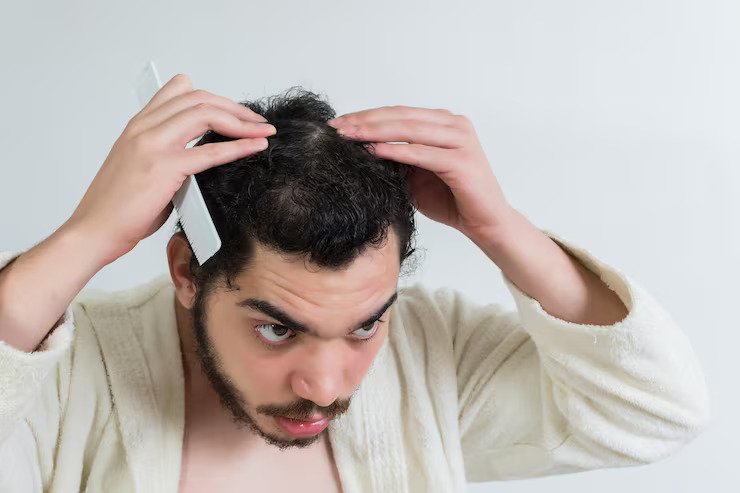
Diffuse Hair Shedding: How It Relates to Telogen Effluvium
Have you noticed more hair on your pillow, in your brush, or in the shower drain than usual? It can be alarming, especially when your hair seems to thin across your entire scalp rather than in specific patches. This type of shedding is often referred to as diffuse hair shedding, and while it may look worrying, it doesn’t always indicate permanent hair loss.
In this blog, we’ll explore telogen effluvium vs other hair loss, discuss why diffuse shedding happens, examine common triggers, and go over treatment and prevention strategies. By the end, you’ll have a clearer understanding of what’s happening with your hair and how to take the right steps to manage it.
What is Diffuse Hair Shedding?
Diffuse hair shedding is a condition where hair thins evenly across the scalp rather than forming bald spots. Unlike patterned hair loss, such as male or female pattern baldness, diffuse shedding affects the scalp more uniformly. You might notice more hair on your comb or pillow, but the hairline often remains intact.
This type of shedding is usually temporary. It can result from physiological stress, hormonal changes, or other triggers that affect the hair growth cycle. Although it’s rarely a sign of permanent loss, it can be emotionally distressing, especially if the shedding seems sudden or intense.
Understanding diffuse hair shedding is important because it often signals that your hair follicles are reacting to a specific trigger, which can usually be addressed once identified.
Understanding Telogen Effluvium
One of the most common causes of diffuse hair shedding is telogen effluvium (TE). Telogen effluvium occurs when a higher-than-normal number of hair follicles enter the resting, or telogen, phase of the hair growth cycle prematurely. Normally, about 10–15% of your hair is in the telogen phase at any given time, but in TE, this percentage increases, leading to noticeable shedding.
Triggers for TE include physical or emotional stress, illness, hormonal fluctuations, medications, and nutritional deficiencies. Because the shedding happens across the scalp, it can be startling, even though the hair follicles remain healthy. Fortunately, telogen effluvium is usually temporary and reversible once the underlying trigger is addressed.
Unlike pattern baldness, TE rarely causes permanent thinning. Most people notice regrowth within three to six months, though the process requires patience and consistent care.
Telogen Effluvium vs Other Hair Loss
It’s important to distinguish telogen effluvium vs other hair loss types because treatment and prognosis differ. Here’s a simple comparison:
- Telogen Effluvium: Diffuse thinning across the scalp, triggered by stress, illness, or hormones. Typically temporary and reversible.
- Androgenetic Alopecia: Gradual, patterned hair loss affecting the temples and crown in men, and widening part lines in women. Often permanent.
- Alopecia Areata: Sudden, patchy hair loss caused by an autoimmune reaction. Can occur anywhere on the scalp or body.
- Scarring Alopecia: Hair loss due to inflammation or scarring of the follicles. Usually irreversible and may require medical intervention.
Knowing the type of hair loss is crucial for choosing the right management approach. Misdiagnosis can lead to unnecessary treatments or delayed regrowth. A professional evaluation by a dermatologist or trichologist can clarify the cause and guide effective care.
Common Triggers of Telogen Effluvium
Understanding what causes TE can help you manage or even prevent future shedding episodes. Some common triggers include:
- Physical or Emotional Stress: Surgery, illness, or high-pressure situations can push hair follicles into the telogen phase.
- High Fever or Serious Illness: A severe infection or prolonged fever can shock your hair cycle, leading to noticeable shedding weeks later.
- Surgery or Trauma: Major procedures or physical injuries may trigger temporary hair loss.
- Hormonal Changes: Postpartum shifts, thyroid imbalances, and menopause can all influence hair growth.
- Nutritional Deficiencies: Lack of protein, iron, or certain vitamins can affect follicle health.
- Certain Medications: Blood thinners, antidepressants, and other drugs may unintentionally affect hair growth.
Triggers can vary from person to person. Often, identifying and addressing the underlying cause is the key to stopping or reversing diffuse hair shedding. Keeping a journal of health changes and hair loss patterns can provide helpful insights.
Symptoms to Look For
Recognizing the signs of telogen effluvium is important for timely intervention. Common symptoms include:
- Diffuse thinning: Hair appears thinner evenly across the scalp rather than in patches.
- Increased shedding: More than 100 hairs may fall per day.
- Noticeable hair loss in routine activities: Hair accumulates in brushes, combs, or shower drains.
- Healthy scalp: Usually, the scalp appears normal without redness, scaling, or scarring.
While TE is generally temporary, if you notice persistent or severe shedding, it’s a good idea to seek professional advice. Early identification of the trigger can speed up regrowth and reduce stress.
Treatment Options
Treating telogen effluvium focuses on addressing triggers and supporting healthy hair regrowth. In many cases, shedding slows on its own once the cause is resolved. Additional steps can help:
- Gentle hair care: Avoid excessive heat styling, harsh chemicals, or tight hairstyles that strain follicles.
- Nutritional support: Ensure adequate intake of protein, iron, zinc, and vitamins like B12 and D.
- Stress management: Incorporate mindfulness, exercise, or therapy to reduce ongoing physiological stress.
- Medical therapies: In some cases, dermatologists may recommend topical treatments such as minoxidil to support regrowth.
Patience is key. Hair regrowth often takes three to six months, and consistency with care and lifestyle adjustments can make a noticeable difference.
Preventing Diffuse Hair Shedding
While not all cases of TE can be prevented, several strategies may reduce the frequency and severity of shedding:
- Balanced diet: Maintain adequate protein and micronutrients to support follicle health.
- Stress reduction: Practices like yoga, meditation, or regular exercise can help regulate the hair growth cycle.
- Avoid harsh hair treatments: Limit bleaching, chemical straightening, or frequent heat styling.
- Regular health check-ups: Monitor thyroid function, hormone levels, and other potential contributors.
Incorporating these habits into your daily routine helps maintain healthy hair and minimizes the impact of future shedding episodes.
Conclusion
Diffuse hair shedding can be stressful, but most cases are temporary and linked to telogen effluvium, a condition triggered by stress, illness, hormonal changes, or nutritional deficiencies. Recognizing telogen effluvium vs other hair loss types is crucial for proper care and regrowth. With appropriate treatment, lifestyle adjustments, and patience, hair typically returns to its normal density over several months.
If you’re experiencing ongoing shedding or want to explore options for regrowth, you can take part in hair regrowth clinical research. Participating in studies can provide access to innovative treatments and personalized guidance to help your hair recover effectively.








0 Comments