
Critical Mechanics Behind Aircraft Door Safety: A Focus on Latching Systems
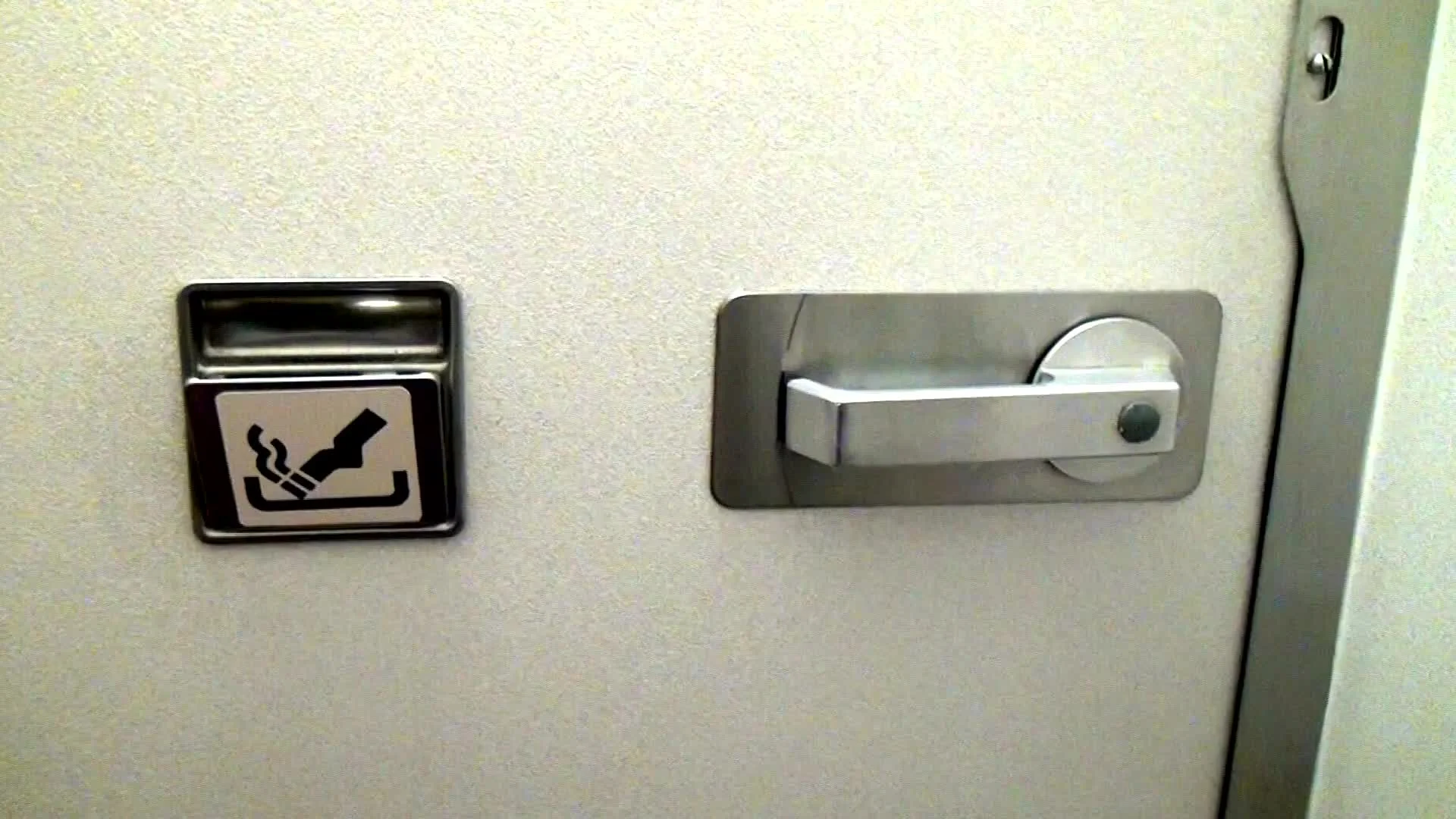
In today’s world of aviation, aircraft door safety and reliability rely to a great extent on expert engineering and maintenance. One of the most vital parts of an aircraft that is responsible for its proper functionality and safety of operation is the airplane door latch, which is of utmost significance insofar as it pertains to maintaining the integrity of the aircraft cabin and passenger safety during flights. Such mechanical parts are designed in such a way as to withstand heavy pressure and are responsible for sealing both sides of an aircraft. Knowledge regarding its mechanism is vital for any party studying or specializing in aircraft safety and maintenance.
The design of airplane door latches has a number of interrelated components working together. In most cases, airplane door latches incorporate features such as locking systems, hinges, handles, and status indicators that help individuals confirm whether or not the plane doors are closed. All components have to be produced with a high degree of tolerancing and stringently tested to ascertain that they are able to perform well in normal and extreme environments. Besides locking airplane doors, the components help to prevent an airplane from having doors that inadvertently pop open while in flight.
Alongside design parameters, material selection is also an integral part of latch design. While material selection depends upon various criteria, it can generally be said that these elements are made of high-strength metals or alloys that can withstand corrosion, fatigue, and other temperatures. Regular testing and maintenance are also necessary to check any defects in these elements because, in aviation, even a slightest problem can lead to unforeseen consequences. Testing of the door latches in planes is extensive and may involve stress testing, pressure simulation, and cycles of operation. This is to ensure that the latch is able to operate in certain conditions, whether it involves normal pressurization of the cabin or emergency decompression. The results of these tests are used to ensure compliance with strict safety standards before these components are accepted and approved for use. The inclusion of safety indicators and fail-safe systems enhances reliability as it offers visual indication of closure.
Another area, apart from passenger safety, which the functionality of aircraft door latches relates to, is the aircraft structure. This is because if aircraft doors are closed properly, it ensures the aircraft structure has the required aerodynamic qualities, which significantly influences aircraft flight efficiency. On the other hand, if aircraft latches fail, it might result in problems relating to the aircraft pressurization system, thus posing risks to flight efficiency. This nexus between aircraft components and flight dynamics is crucial for aircraft experts.
In conclusion, to ensure that the doors of an aircraft are accessed in a secure manner and that safety is ensured in relation to its functionality, much hinges on engineering and maintenance of an aircraft door latch. Designing accuracy, quality of material, maintenance, and rigorous testing have enabled the aircraft industry to ensure against risks that may befall planes in relation to failure of doors. These parts may be relatively small, but they are of utmost significance in context to passenger and aircraft functionality.











0 Comments