
Conversational Artificial Intelligence (AI): Transforming How Humans and Machines Communicate
Introduction
Conversational Artificial Intelligence (AI) is rapidly reshaping the way humans interact with technology. From chatbots that answer customer queries to voice assistants that manage smart homes, conversational AI systems are becoming an integral part of our daily lives. These technologies aim to replicate natural human conversation, enabling machines to understand, process, and respond to language in a meaningful and contextual way.
Definition
Conversational Artificial Intelligence (AI) refers to computer systems designed to understand, process, and respond to human language in a natural, interactive way, enabling users to communicate with machines through text or speech. These systems use technologies such as natural language processing, machine learning, and speech recognition to carry out conversations, answer questions, and assist with tasks in a manner that mimics human dialogue.
What Is Conversational AI?
Conversational AI refers to a set of technologies that allow computers to engage in human-like dialogue through text or voice. It combines several advanced fields of artificial intelligence, including:
- Natural Language Processing (NLP) – to understand and interpret human language
- Natural Language Generation (NLG) – to produce coherent and relevant responses
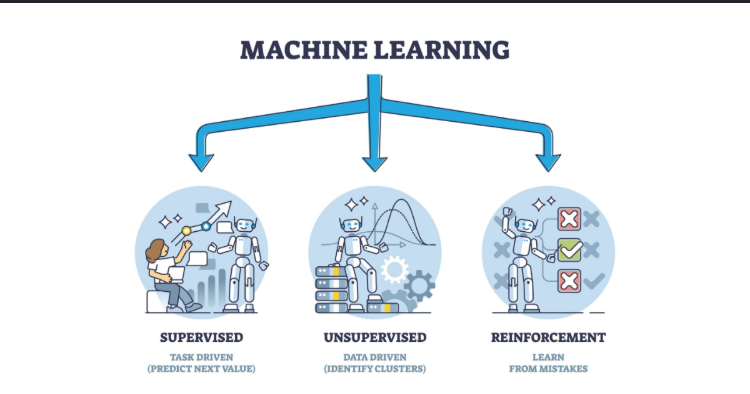
- Machine Learning (ML) – to improve responses over time through data and feedback
- Speech Recognition and Text-to-Speech (TTS) – for voice-based interactions
Together, these components enable systems such as chatbots, virtual assistants, and voice bots to communicate in a way that feels increasingly natural and intelligent.
How Conversational AI Works
At a high level, conversational AI systems follow a structured process:
- Input Reception
The user provides input through text or voice. For voice interactions, speech recognition converts audio into text. - Intent and Context Understanding
NLP models analyze the input to determine the user’s intent, extract relevant entities, and understand context. - Decision Making
Based on predefined rules, trained models, or a combination of both, the system decides how to respond. - Response Generation
NLG constructs a human-readable response, which may be delivered as text or converted back into speech. - Learning and Optimization
Machine learning algorithms refine the system’s accuracy over time using conversation history and user feedback.
This pipeline allows conversational AI to handle anything from simple FAQs to complex, multi-turn conversations.
Key Applications of Conversational AI
1. Customer Support and Service
One of the most common uses of conversational AI is in customer service. AI-powered chatbots can handle routine inquiries such as order tracking, password resets, and appointment scheduling—24/7 and at scale. This reduces wait times for customers and lowers operational costs for businesses.
2. Virtual Assistants
Popular voice assistants like Siri, Alexa, and Google Assistant rely on conversational AI to perform tasks, answer questions, and control smart devices. These systems are designed to understand natural speech patterns and adapt to user preferences.
3. Healthcare
In healthcare, conversational AI is used for symptom checking, appointment reminders, mental health support, and patient education. These tools can improve accessibility and reduce the workload on medical professionals while maintaining patient engagement.
4. E-commerce and Sales
Conversational AI enhances online shopping experiences by offering personalized product recommendations, answering pre-purchase questions, and assisting with checkout processes. AI-driven conversations can guide users through the buying journey in a more interactive way.
5. Education and Training
AI tutors and learning assistants provide personalized educational support, answer student questions, and help with skill development. Conversational AI enables adaptive learning experiences that respond to individual needs.
Benefits of Conversational AI
The growing adoption of conversational AI is driven by several key advantages:
- Scalability: AI systems can handle thousands of conversations simultaneously.
- Cost Efficiency: Reduces the need for large support teams for repetitive tasks.
- Availability: Provides instant responses around the clock.
- Consistency: Delivers uniform, reliable answers without fatigue.
- Personalization: Uses data and context to tailor responses to individual users.
For businesses, these benefits translate into improved customer satisfaction and operational efficiency.
Challenges and Limitations
Despite its progress, conversational AI still faces notable challenges:
Understanding Context and Nuance:
Human language is complex, filled with sarcasm, ambiguity, and cultural references. While AI has improved significantly, it can still misinterpret intent or context.
Data Privacy and Security:
Conversational systems often handle sensitive personal data. Ensuring compliance with data protection regulations and maintaining user trust is critical.
Bias and Ethical Concerns:
AI models learn from existing data, which may contain biases. If not carefully managed, conversational AI can produce unfair or inappropriate responses.
Emotional Intelligence:
While AI can simulate empathy, it does not truly understand emotions. This can limit its effectiveness in emotionally sensitive interactions.
Addressing these challenges requires continuous refinement, ethical oversight, and responsible AI development practices.
The Future of Conversational AI
The future of conversational AI is closely tied to advances in large language models, multimodal AI, and contextual understanding. Emerging trends include:
- More Human-Like Conversations: Improved memory, reasoning, and long-term context handling
- Multimodal Interaction: Combining text, voice, images, and gestures in a single conversation
- Hyper-Personalization: AI that adapts deeply to individual users’ preferences and behavior
- Enterprise Integration: Conversational AI embedded across business workflows and internal tools
As these technologies mature, conversational AI will move beyond simple assistance toward becoming a true digital collaborator.
Growth Rate of Conversational Artificial Intelligence (AI) Market
According to Data Bridge Market Research, the conversational Artificial Intelligence (AI) market was estimated to be worth USD 16.02 billion in 2025 and is projected to grow at a compound annual growth rate (CAGR) of 24.04% to reach USD 89.80 billion by 2033.
Learn More: https://www.databridgemarketresearch.com/reports/global-conversational-ai-market
Conclusion
Conversational Artificial Intelligence is revolutionizing human-computer interaction by making technology more accessible, intuitive, and responsive. From customer service and healthcare to education and smart devices, its impact spans industries and everyday life.







0 Comments