
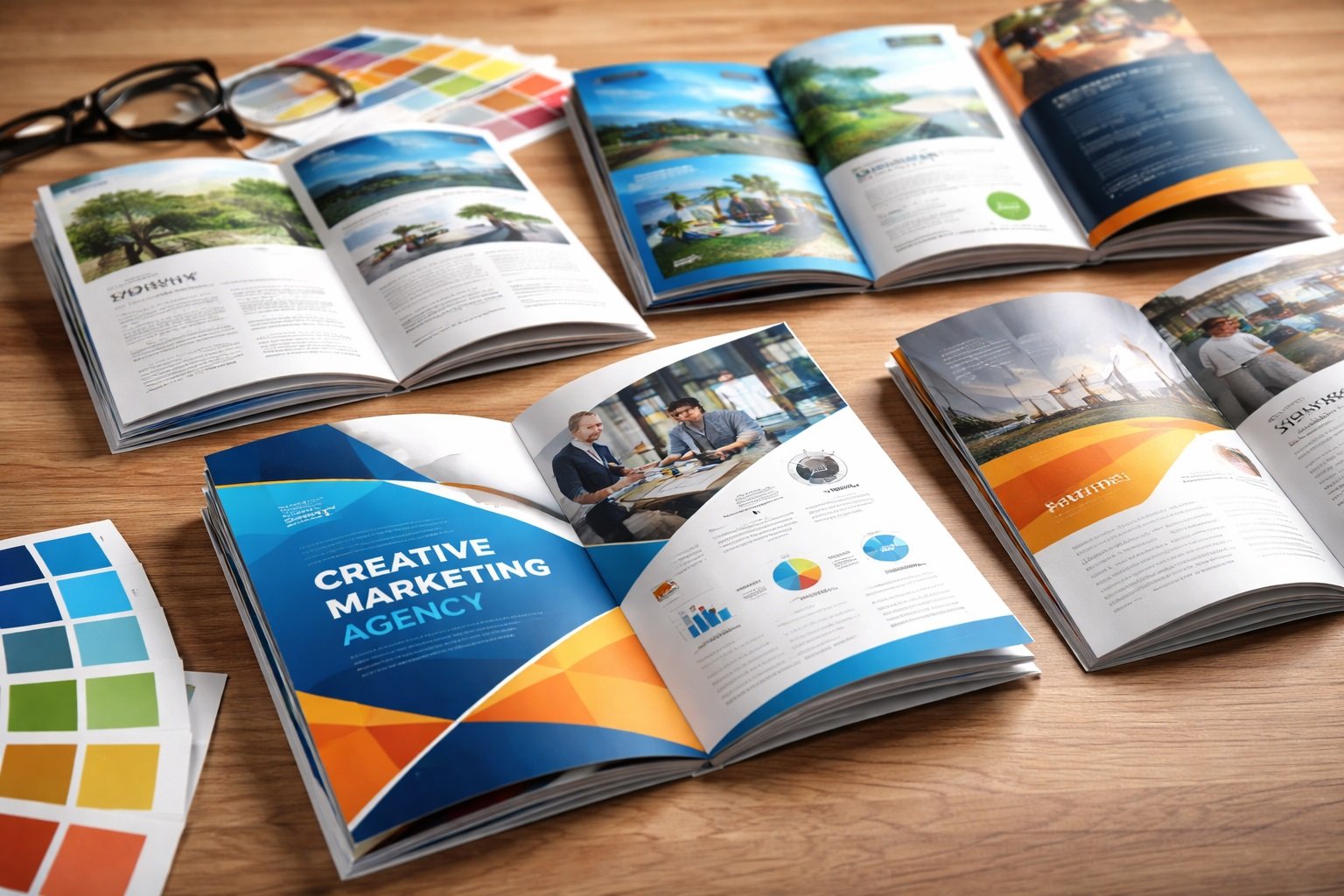
Common Mistakes to Avoid in Brochures Printing
Brochures remain one of the most effective offline marketing tools for businesses of all sizes. Whether you’re promoting a product, explaining a service, or building brand credibility, a well-designed brochure can leave a lasting impression. However, many businesses underestimate the importance of proper planning and execution during the printing process. Even companies that work with a brochures printing company in London can end up with disappointing results if common mistakes are overlooked. Understanding these pitfalls can help you save money, protect your brand image, and ensure your brochures deliver real value.
Below are the most common mistakes businesses make in brochures printing—and how you can avoid them.
1. Ignoring the Target Audience
One of the biggest mistakes in brochures printing is failing to design with a specific audience in mind. A brochure meant for corporate clients should look very different from one targeting students or families. When businesses try to appeal to everyone, they often end up appealing to no one.
Before designing your brochure, clearly define your audience. Consider their age, profession, interests, and expectations. The tone, color palette, layout, and even paper quality should align with what your audience finds appealing and trustworthy.
2. Overloading the Brochure with Information
Another common issue is trying to cram too much content into a single brochure. Businesses often feel the need to include every service, feature, and detail they offer, resulting in cluttered layouts and tiny text that no one wants to read.
A brochure should highlight key points, not function as a full company manual. Focus on the most important information and guide readers toward the next step, such as visiting your website or contacting your team. White space is not wasted space—it improves readability and makes your message more impactful.
3. Poor Design and Layout Choices
Even high-quality printing cannot save a poorly designed brochure. Inconsistent fonts, low-resolution images, unbalanced layouts, and clashing colors can instantly make your brochure look unprofessional.
Invest in good design. Use high-resolution images, consistent typography, and a clear visual hierarchy. Headlines should stand out, body text should be easy to read, and images should support your message rather than distract from it. A clean, well-organized design increases credibility and encourages people to engage with your content.
4. Choosing the Wrong Paper Quality
Paper choice plays a major role in how your brochure feels and how your brand is perceived. Many businesses choose the cheapest paper option to reduce costs, but this often backfires. Thin, flimsy paper can make your brochure feel disposable and cheap.
Consider the purpose of your brochure. A luxury brand or corporate presentation may require thicker paper with a matte or soft-touch finish, while a mass-distribution flyer may work fine on lighter stock. Always request samples before finalizing your choice to ensure the paper aligns with your brand image.
5. Neglecting Proofreading
Spelling mistakes, grammatical errors, and incorrect contact details are surprisingly common in printed brochures. Unlike digital content, printed materials cannot be easily corrected once they are produced. A single typo can damage your professionalism and credibility.
Always proofread your content multiple times. It’s also a good idea to have someone else review it, as fresh eyes often catch mistakes you might miss. Double-check phone numbers, email addresses, and URLs before sending your brochure for printing.
6. Using Low-Resolution Images
Images that look fine on a computer screen may appear pixelated or blurry when printed. This is because print requires much higher resolution than digital displays. Using low-quality images is a major mistake that can make your brochure look amateurish.
Ensure all images are high-resolution and suitable for print. Avoid pulling images directly from websites unless they are specifically labeled for print use. Professional photography or licensed stock images are worth the investment for high-quality brochures printing.
7. Forgetting a Clear Call to Action
A brochure without a clear call to action (CTA) often fails to achieve its purpose. After reading your brochure, the audience should know exactly what to do next—call, visit, sign up, or request more information.
Make your CTA clear and easy to find. Use concise language and place it strategically within the layout. Whether it’s “Contact Us Today” or “Visit Our Website for More Details,” a strong CTA helps turn readers into customers.
8. Not Testing Before Full Printing
Skipping test prints is another costly mistake. Colors can appear different on paper than they do on screen, and small layout issues may only become noticeable once printed.
Always request a proof or sample before approving a full print run. This allows you to check color accuracy, text alignment, image quality, and overall appearance. Testing helps you catch errors early and avoid wasting time and money.
9. Overlooking Fold and Size Considerations
The fold and size of a brochure affect how content is read and understood. Designing without considering how the brochure will fold can lead to awkward layouts where important information is hidden or misplaced.
Plan your design according to the brochure format—bi-fold, tri-fold, or multi-page. Ensure text and images flow naturally from one panel to the next. A thoughtful structure improves readability and user experience.
10. Focusing Only on Price, Not Value
While budget is important, choosing a printer solely based on the lowest price can compromise quality. Poor printing, incorrect colors, or missed deadlines can cost more in the long run.
Instead of focusing only on cost, consider overall value—print quality, reliability, customer support, and turnaround time. High-quality brochures are an investment in your brand and marketing success.
Conclusion
Brochures printing is more than just putting ink on paper—it’s about communicating your brand message effectively and professionally. By avoiding these common mistakes, you can ensure your brochures stand out for the right reasons. From understanding your audience and refining your design to choosing the right materials and proofreading carefully, each step plays a crucial role in the final outcome.
When done right, a brochure becomes a powerful marketing tool that builds trust, attracts attention, and drives action. Taking the time to plan and execute properly will help you make the most of your brochures and leave a strong impression on your audience.








0 Comments