
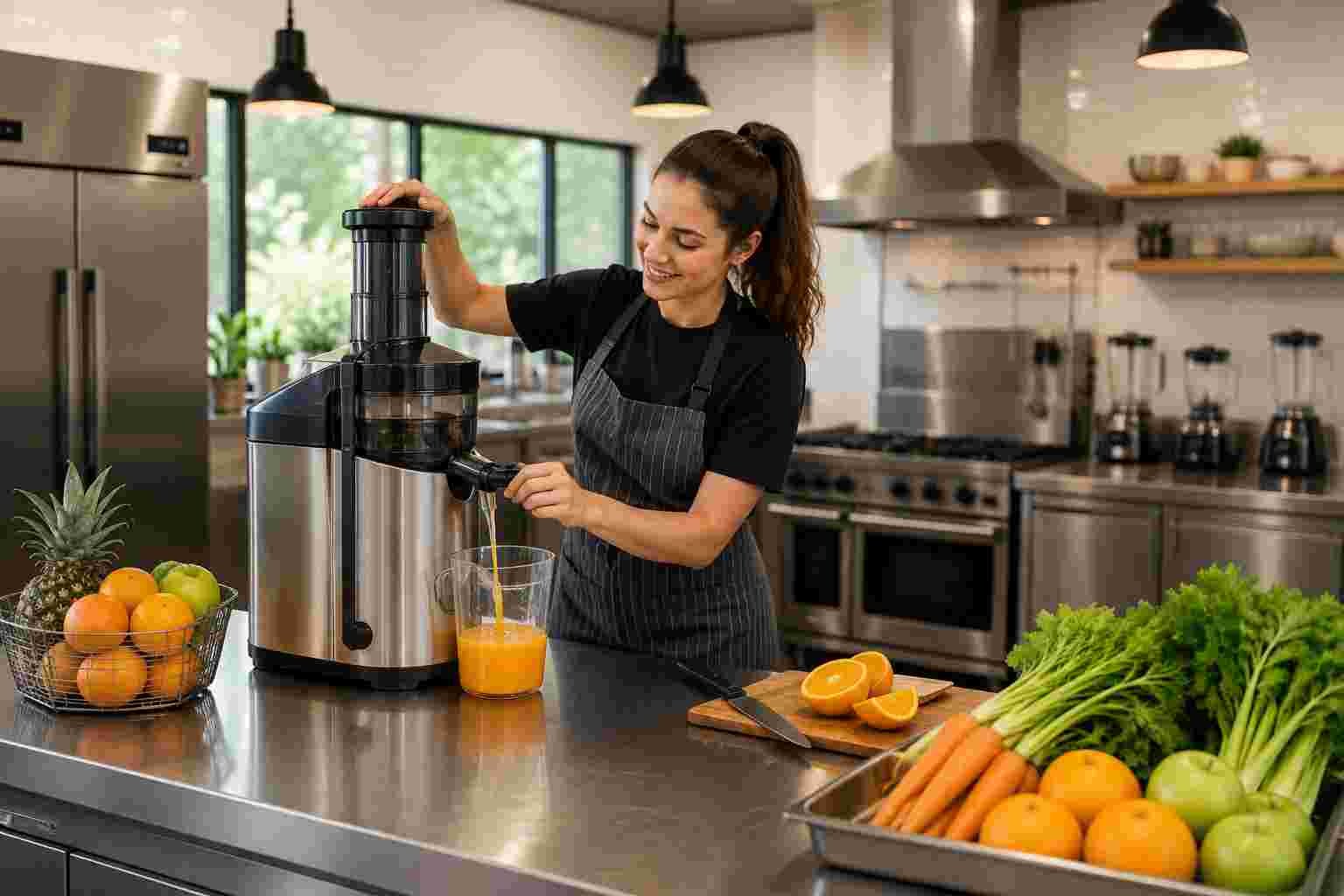
Commercial Juice Machines for Fast, Efficient and Healthy Juicing
Ever wondered how your favourite juice bar manages to churn out glass after glass of perfectly pressed juice during the morning rush? What makes their fresh orange juice taste so vibrant compared to what you squeeze at home? And more importantly, could your business benefit from that same level of quality and speed?
Commercial juice machines have become absolute gamechangers for Australian businesses looking to tap into the booming health-conscious market. From bustling Melbourne cafés to beachside juice bars in Queensland, these powerful machines are helping entrepreneurs serve up fresh, nutrient-packed beverages faster than ever before. The demand for freshly squeezed juice shows no signs of slowing down, and having the right equipment can make all the difference between a thriving operation and one that struggles to keep up.
In this guide, we'll walk you through everything you need to know about commercial juice machines. You'll discover the different types available, what features to prioritise, and how to choose the perfect machine for your specific business needs. Whether you're launching a start-up café or upgrading your restaurant's beverage offerings, this comprehensive breakdown will help you make an informed decision that delivers genuine value for your investment.
What Is a Commercial Juice Machine?
A commercial juice machine is a heavy-duty appliance designed specifically for high-volume juice production in professional settings. Unlike your standard kitchen juicer, these machines are built to withstand constant use throughout busy service periods while consistently producing superior quality juice.
How Does a Commercial Juicer Differ from a Home Juicer?
The differences between commercial and home juicers go far beyond just size. Commercial machines feature significantly more powerful motors, often ranging from 1,000 to 3,000 watts compared to a home unit's 400-800 watts. This extra power translates to faster extraction times and the ability to process tougher produce like beetroot and ginger without strain.
Durability is another major factor. Commercial juicers use industrial-grade components—stainless steel housing, reinforced gears, and commercial-grade seals—designed to handle thousands of juicing cycles. Home juicers simply aren't engineered for this level of demand and would quickly burn out under commercial use.
Types of Commercial Juice Machines Explained
There are three main categories to consider. Centrifugal juicers work at high speeds, using spinning blades to extract juice quickly perfect for high-volume citrus operations. Cold press (masticating) juicers operate slowly, crushing and pressing produce to maximise nutrient retention and juice yield. Finally, citrus juicers are specialised machines designed exclusively for oranges, lemons, and other citrus fruits.
Each type serves different purposes, and many businesses opt for a combination to meet varying customer demands throughout the day.
Key Benefits of Investing in a Commercial Juicer
Speed and Efficiency for High-Volume Demands
When you've got a queue of customers waiting during the breakfast rush, speed matters enormously. Commercial juicers can produce juice in seconds rather than minutes, with some high-end models capable of processing dozens of oranges per minute. This efficiency means shorter wait times, happier customers, and more sales during peak periods.
The workflow improvements extend beyond just extraction speed. Many commercial machines feature larger feed chutes, reducing prep time spent cutting produce. Plus, bigger pulp containers mean fewer interruptions to empty waste during service.
Maximising Nutrient Retention and Juice Quality
Quality cold press machines preserve more vitamins, enzymes, and antioxidants by avoiding the heat generated during high-speed extraction. This results in juice that not only tastes fresher but genuinely delivers on health promises—something increasingly important to today's wellness-focused consumers.
The superior extraction also means more vibrant colours and better flavour profiles. Your customers will notice the difference, and that quality becomes a powerful selling point for your business.
Cost Savings and Long-Term ROI
While the upfront investment is higher, commercial juicers extract significantly more juice from each piece of produce. Better yield means lower ingredient costs per serve. Over time, these savings add up substantially, often paying for the machine within the first year of operation.
Additionally, commercial machines require less frequent replacement. A quality commercial juicer can last 10-15 years with proper maintenance, compared to 2-3 years for a domestic model being pushed beyond its limits.
What Should I Look for When Buying a Commercial Juice Machine?
Motor Power and Durability
Look for motors rated at 1,500 watts minimum for general commercial use. Heavy-traffic venues should consider machines with 2,000+ watts. Check that the housing is constructed from food-grade stainless steel, which resists corrosion and meets Australian food safety standards.
Warranty terms often indicate manufacturer confidence in durability. Aim for at least a 2-year commercial warranty, with some premium brands offering 5-year coverage on motors.
Juice Yield and Extraction Efficiency
Extraction efficiency varies significantly between models. Cold press machines typically achieve 20-30% higher yields than centrifugal alternatives. Request demonstration data or reviews showing actual yield figures—this directly impacts your ingredient costs and profit margins.
Ease of Cleaning and Maintenance
Your team will need to clean the juicer multiple times daily. Machines with fewer parts, dishwasher-safe components, and quick-release mechanisms save valuable time. Some models can be fully disassembled and cleaned in under five minutes—a massive advantage during busy service periods.
Noise Levels and Operational Considerations
Centrifugal juicers can be remarkably loud, potentially disrupting customer experience in intimate café settings. Cold press machines operate much more quietly. Consider your venue's layout and ambiance when making your choice.
Which Commercial Juicer Is Best for Cafés, Juice Bars and Restaurants?
Best Options for Small Cafés and Start-Ups
For businesses just starting out, mid-range cold press machines offer an excellent balance of quality and affordability. Look for compact models that won't dominate limited counter space while still delivering consistent performance for moderate volumes.
Heavy-Duty Machines for High-Traffic Juice Bars
Dedicated juice bars need workhorses capable of continuous operation. Industrial-grade automatic citrus juicers and high-capacity cold press systems are essential investments. These machines handle the relentless demands of peak hours without overheating or slowing down.
Versatile Solutions for Restaurants and Hotels
Restaurants and hotels benefit from versatile machines capable of handling diverse produce—from leafy greens for breakfast smoothies to citrus for evening cocktails. Consider units with multiple speed settings and interchangeable components.
Are Commercial Juice Machines Worth the Investment?
Calculating Your Return on Investment
Calculate your expected daily juice sales, multiply by profit margin per serve, and compare against the machine's cost. Most businesses see full ROI within 6-18 months. Factor in reduced wastage from better extraction and lower maintenance costs compared to constantly replacing domestic units.
Common Mistakes to Avoid When Purchasing
Don't underestimate your volume needs—buying too small means premature wear and frustrated staff. Avoid unknown brands without Australian service support. Skipping proper training leads to improper use and shortened machine life.
How to Maintain Your Commercial Juicer for Maximum Lifespan
Daily Cleaning Best Practices
Clean thoroughly after each service period, not just at day's end. Use manufacturer-recommended cleaning solutions and follow disassembly procedures exactly. Dry all components completely before reassembly to prevent bacterial growth.
Troubleshooting Common Issues
Reduced yield often indicates dull blades or worn seals—both inexpensive fixes if caught early. Strange noises typically mean something's loose or misaligned. Address issues promptly rather than pushing through, as small problems quickly become expensive repairs.
Choosing the Right Commercial Juicer for Your Business
Selecting the perfect commercial juice machine comes down to understanding your specific needs. Consider your daily volume, the types of produce you'll process most frequently, available space, and budget constraints. Getting this balance right sets your business up for success.
The Australian market for fresh juice continues to grow, with consumers increasingly willing to pay premium prices for quality, fresh-pressed beverages. Investing in the right equipment positions your business to capture this demand while delivering genuine value to health-conscious customers.
Take your time researching options, request demonstrations where possible, and don't hesitate to speak with other business owners about their experiences. The right commercial juicer isn't just a purchase—it's a partnership that will serve your business for years to come. Your customers deserve the best, and with the right machine, you'll be ready to deliver exactly that.









0 Comments