
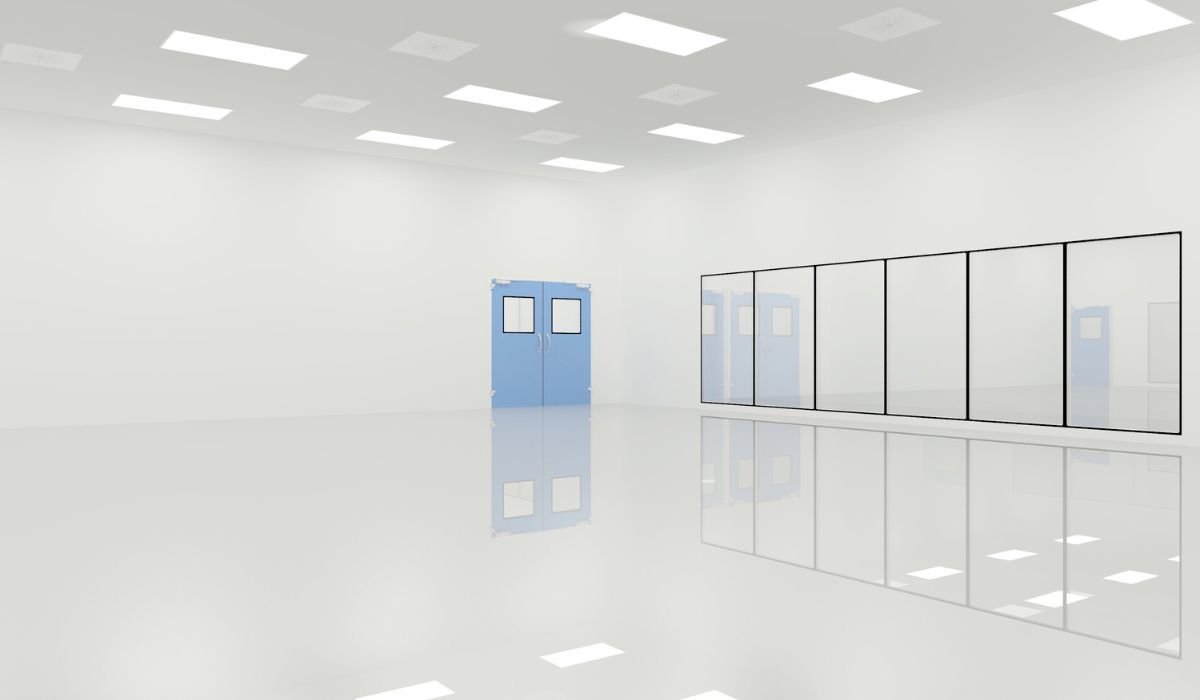
How a Cleanroom Design and Build Company Ensures Compliance and Quality
In industries where even microscopic contamination can compromise product safety, cleanrooms play a vital role. Sectors such as pharmaceuticals, biotechnology, semiconductor manufacturing, medical devices, aerospace, and healthcare depend heavily on controlled environments to ensure product integrity. However, designing and building a cleanroom is not a simple construction task—it requires precision engineering, strict regulatory understanding, and deep industry expertise. This is where a professional cleanroom design and build company becomes essential.
A specialized cleanroom company does more than construct a sealed space. It ensures compliance with international standards, integrates advanced contamination control systems, and delivers environments that consistently maintain required cleanliness levels. Let’s explore how these companies ensure both compliance and quality at every stage of the process.
Understanding Cleanroom Compliance Standards
The foundation of cleanroom quality begins with regulatory compliance. Cleanrooms must meet strict guidelines depending on the industry and application. Common standards include:
- ISO 14644 (Cleanroom classification and air cleanliness standards)
- GMP (Good Manufacturing Practices) for pharmaceutical and biotech industries
- FDA regulations for medical and drug manufacturing environments
- EU GMP guidelines for European pharmaceutical production
A cleanroom design and build company starts every project by analyzing which standards apply to the client’s operations. This ensures that every design decision—from airflow patterns to filtration systems—is aligned with regulatory requirements.
By integrating compliance at the planning stage, companies avoid costly redesigns, regulatory failures, and production delays later.
Requirement Analysis and Risk Assessment
Before construction begins, experts conduct a detailed requirement analysis. This includes understanding:
- Type of industry and product being manufactured
- Required cleanliness class (ISO Class 1 to 9)
- Temperature, humidity, and pressure requirements
- Personnel movement and workflow patterns
- Equipment layout and contamination risks
A thorough risk assessment helps identify potential contamination sources such as human traffic, airborne particles, material transfer points, and equipment heat emissions.
By addressing these risks early, cleanroom designers ensure that the final environment minimizes contamination and maximizes operational efficiency.
Precision Cleanroom Design Engineering
Design is the most critical phase of cleanroom development. A professional cleanroom design and build company uses advanced engineering tools such as CAD (Computer-Aided Design) and CFD (Computational Fluid Dynamics) to model airflow and contamination control.
Key design elements include:
1. Airflow System Design
Cleanrooms rely on controlled airflow to remove airborne particles. Two common systems are:
- Laminar airflow (unidirectional flow for ultra-clean environments)
- Turbulent airflow (mixed flow for less strict classifications)
Proper airflow design ensures contaminants are continuously removed and not allowed to settle.
2. HVAC System Integration
Heating, ventilation, and air conditioning (HVAC) systems are carefully designed to maintain:
- Positive or negative air pressure
- Temperature stability
- Humidity control
- Particle filtration using HEPA or ULPA filters
3. Material Selection
All surfaces inside a cleanroom must be non-porous, easy to clean, and resistant to microbial growth. Common materials include:
- Epoxy-coated walls
- Stainless steel surfaces
- Seamless flooring systems
4. Layout Optimization
Efficient layout design reduces human movement and cross-contamination. It ensures proper separation between clean and dirty zones and creates controlled material flow paths.
Controlled Construction and Installation
Once the design is finalized, the construction phase begins under strict contamination control procedures. A cleanroom design and build company ensures that even the building process does not introduce contaminants.
Construction practices include:
- Using pre-fabricated modular panels
- Installing HEPA/ULPA filtration systems in controlled environments
- Sealing joints to prevent particle leakage
- Maintaining construction site cleanliness protocols
Every component is installed with precision to ensure airtight sealing and structural integrity.
Validation and Certification Processes
A cleanroom is not considered operational until it passes validation and certification tests. This is a critical step where compliance is officially verified.
Testing procedures include:
- Particle Count Testing:- Measures airborne particles to ensure they fall within ISO classification limits.
- Airflow Velocity Testing:- Ensures correct air movement patterns for contamination control.
- Pressure Differential Testing:- Confirms that air flows from cleaner to less clean areas, preventing contamination spread.
- HEPA Filter Integrity Testing:- Verifies that filters are functioning correctly without leaks.
- Environmental Monitoring:- Includes temperature, humidity, and microbial testing.
A cleanroom design and build company ensures all documentation and testing reports meet regulatory audit requirements.
Quality Assurance Throughout the Lifecycle
Quality is not a one-time achievement; it is maintained throughout the lifecycle of the cleanroom. Leading companies implement continuous quality assurance systems such as:
- Routine maintenance schedules
- Periodic re-certification
- Monitoring of air quality and pressure systems
- Calibration of equipment
- Staff training on cleanroom protocols
These practices ensure long-term compliance and consistent performance.
Integration of Automation and Smart Monitoring
Modern cleanroom design increasingly incorporates smart technologies. Cleanroom design and build companies now use IoT-based monitoring systems that provide real-time data on:
- Particle concentration
- Temperature and humidity
- Air pressure levels
- Equipment performance
Automated alerts help facility managers respond quickly to deviations, reducing risk and downtime.
Regulatory Documentation and Audit Support
Regulatory inspections are a major concern for industries using cleanrooms. A professional company provides complete documentation support, including:
- Design qualification (DQ) reports
- Installation qualification (IQ) reports
- Operational qualification (OQ) reports
- Performance qualification (PQ) reports
These documents ensure transparency and simplify regulatory audits from bodies like FDA or ISO inspectors.
Training and Operational Support
Even the best-designed cleanroom can fail if not operated correctly. That’s why cleanroom companies also provide training programs for staff. These include:
- Proper gowning procedures
- Cleanroom behavior protocols
- Equipment handling techniques
- Contamination control practices
Well-trained personnel play a key role in maintaining compliance and quality standards.
Conclusion
A cleanroom design and build company plays a crucial role in ensuring compliance and quality across high-precision industries. From initial planning and risk assessment to engineering design, controlled construction, and final certification, every step is guided by strict regulatory standards and technical expertise.
By integrating advanced technology, precision engineering, and continuous quality assurance, these companies create environments where contamination is controlled and product integrity is protected. In industries where safety, accuracy, and compliance are non-negotiable, partnering with an experienced cleanroom design and build company is not just beneficial—it is essential for long-term success.






0 Comments