
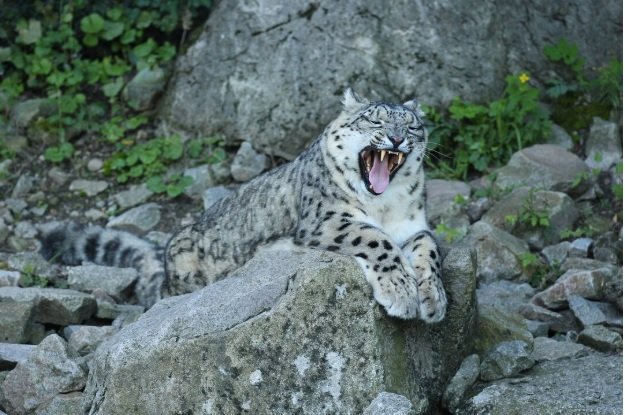
Budget Planning for a Snow Leopard Trek: Costs, Tips and Smart Saving
A snow leopard trek is a far cry from an average alpine vacation. This is a special wildlife adventure through the rugged yet awe-inspiring Indian Himalayan environments. One of the best opportunities to spot this elusive predator is in Ladakh; and you might be able to see ibex, blue sheep, Tibetan wolves, golden eagles and other wild species.
These tours, however, call for prudent budgeting. Prices get increased by factors like extreme weather, isolated locations and unique logistics. Travellers can prevent unpleasant shocks and make sensible preparations by being aware of these charges beforehand.
Key Expense Elements to Expect
A number of interconnected factors determine the total cost of a snow leopard trek. Travel to Leh is the first major cost. Due to limited availability throughout the winter, flights are more costly and road trips need additional buffer days in case of weather related delays.
Depending on whether you choose a homestay or a guesthouse, lodging costs vary. Due to the logistics of food supply, heating and insulation, prices are marginally higher in the winter than in the summer. The expenses are essential for both comfort and security in such frigid weather.
Entry, Guide and Conservation Fees
In Ladakh, licenses for wildlife excursions must be granted by local authorities. These licenses should aid in the preservation of fragile habitats by limiting the number of visitors. In general, fees are modest but necessary.
Another very important cost will be the professional guides for wildlife. Their skills in tracking signs, understanding animal behaviour and taking safety measures will add much value. Besides contributing positively to the local economy, guiding offers better chances to see Ladakh's wild animals while remaining ethical and responsible.
Costs of Equipment and Clothing
Winter trekking requires specialised clothes. It includes sleeping bags, waterproof boots, gloves, insulating coats and adequate thermal layers. Investing in new equipment might drastically raise the budget.
Equipment rentals are frequently affordable in Leh and its environs. Numerous local outfitters offer well-maintained equipment suitable for really cold temperatures. This option ensures that the safety aspect is not compromised while keeping the initial costs low.
Food, Logistics and Support Staff
During the snow leopard trek, basic but nutritious high calorie meals to keep one going in icy weather are offered. Food supplies, cooking plans and heating fuel are among the items accounted for. Considering difficulties in transportation or travelling through snow and snow covered areas, the logistics are costly.
Support staff, such as porters and kitchen assistants, may be required for longer journeys. While they definitely enhance comfort and ease, their involvement is something that needs to be considered right at the beginning when working out the total budget.
Seasonal Price Variations
Snow leopard sightings are most commonly reported in the winter, usually between January and March. There is a greater demand for hotels and knowledgeable guides. As a result, costs are typically higher than during the off season.
There are times when travelling at the beginning or end of the season can be cheaper, but when the capriciousness of the weather really gets stronger, the importance of having a flexible budget to account for delays or extended stays becomes quite vital.
Insurance and Emergency Preparedness
Travel insurance costs cannot be negotiated. Policies should cover high-altitude hiking, medical evacuation and weather-related trip cancellations. Evacuation coverage is highly important since there are few medical facilities in the isolated areas of Ladakh.
You may also want to budget for contingencies. Snowfall or road closures are examples of unexpected expenses that could result in extra days of lodging or maybe even an alternate transportation route in an area.
Integrate Smart Budget-Saving Strategies
With careful planning, many expenses can be drastically reduced without sacrificing safety. The fares for flights can be lower when booked long in advance. Aside from the opportunity to experience a different culture, homestays are frequently far less expensive than hotels. Trekking in groups reduces the expense of each person's guides and logistics. Additionally, renting equipment instead of purchasing it might save a lot of money. By avoiding unnecessary extras, the budget stays concentrated on experiences that are essential.
Responsible Spending and Ethical Choices
Planning a budget should take ethical spending into consideration. Providing homestays, guides and suppliers supports the local communities and ensures that the region benefits directly from tourism. Ethical wildlife activities protect the natural behaviour of Ladakh’s wild animals by avoiding animal baiting or harassment. While ethical choices may not always be the most cost-effective, they do ensure sustainability and long term habitat preservation for snow leopards.
Dream Land: Subtle Native Knowledge of Planning
Some travellers rely on local operators for knowledge and logistical coordination. Companies such as Dream Land are well-known for their knowledge of animal ethics, community-based tourist concepts and winter circumstances. Their experience in terrain, permits and seasonal changes often smooths out the planning process for Ladakh's challenging winter environment and helps to avoid unnecessary spending, particularly for first-time tourists.
Conclusion
A snow leopard trek is a rare and enriching experience that calls for prudent financial planning. The costs reflect the remoteness of the location, the level of knowledge and the sensitivity of the conservation. Preparation ahead of time, recognising important expenses and well-informed decisions will enable travellers to manage their budgets efficiently.
Saving money wisely does not mean one has to compromise on safety. Rather, it is a tactical decision that preserves Ladakh's ecosystems while improving the experience. Adequate preparation always helps and makes trips incredibly meaningful.








0 Comments