
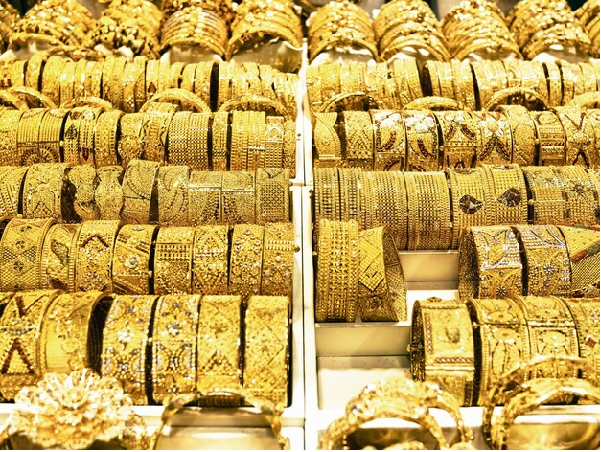
18K Gold Price Update Today: Real-Time Rate Shifts You Must Know
Gold has always been more than just a precious metal in India. It represents value, security, and long-term financial stability. Among the different purity levels available, 18 karat gold has steadily gained popularity, especially among buyers who prioritise durability and contemporary jewellery designs. Keeping track of the 18 karat gold rate today is important not just for jewellery shoppers, but also for investors, resellers, and those using gold as collateral.
Unlike traditional assumptions that gold prices move slowly, today’s gold rates can fluctuate multiple times in a single week. These changes are influenced by both global developments and domestic market conditions. Understanding what drives the 18 karat gold rate today can help buyers make smarter timing decisions and avoid paying more than necessary.
Why 18 Karat Gold Prices Change Daily?
Many people assume that gold prices are uniform and stable. In reality, gold rates are highly dynamic. Even the 18 karat gold rate today reflects movements in international markets, currency exchange rates, and local demand patterns.
One key reason for daily changes is that gold is traded in US dollars globally. When international gold prices rise or fall, Indian gold rates adjust accordingly. Additionally, fluctuations in the INR-USD exchange rate directly impact how expensive gold imports become, which in turn affects domestic pricing.
Local factors also play a role. Demand during wedding seasons, festive periods, or regional buying trends can push prices slightly higher. Conversely, subdued demand often results in stable or marginally lower rates.
How 18 Karat Gold Differs from Other Purities?
To understand price movements, it helps to first understand what makes 18 karat gold different. Pure gold is measured at 24 karats, meaning it contains nearly 99.9% gold. In contrast, 18 karat gold contains 75% pure gold, with the remaining 25% made up of alloys such as copper or silver.
Because of this composition, the 18 karat gold rate is naturally lower than 22K or 24K gold. However, the added alloys make it more durable, scratch-resistant, and suitable for daily wear. This balance between strength and value is why 18K gold is widely used in modern jewellery, designer pieces, and even export-oriented products.
Global Factors Influencing Today’s 18 Karat Gold Rate
Several global factors play a direct role in shaping gold prices:
- International economic uncertainty: During periods of inflation, recession fears, or geopolitical tension, investors often move money into gold, pushing prices up.
- Interest rates: When interest rates rise, gold can become less attractive compared to interest-bearing assets, sometimes softening prices.
- Global demand and supply: Central bank purchases, ETF inflows, and mining output all influence global gold benchmarks.
Even though these events may seem distant, they are quickly reflected in the 18 karat gold rate today across Indian markets.
Domestic Influences on 18 Karat Gold Prices
Within India, several local factors affect pricing. Import duties and taxes play a major role in determining how expensive gold becomes at the retail level. Any revision in customs duty or policy-related announcements often leads to immediate price changes.
Another important element is transportation and distribution costs. Prices may vary slightly from one city to another due to logistics, local taxes, and jeweller margins. That is why the 18 karat gold rate can differ marginally between metro cities and smaller towns.
Seasonal buying behaviour also matters. During festivals like Akshaya Tritiya or Diwali, demand rises sharply, which can push prices up even if global rates remain steady.
Why Tracking the 18 Karat Gold Rate Matters?
Monitoring the 18 karat gold rate helps buyers make informed decisions rather than emotional ones. For jewellery buyers, a small difference in per-gram pricing can significantly affect the final cost, especially for heavier pieces.
For those using gold as a financial asset, price awareness helps in timing purchases, selling old jewellery, or pledging gold for loans. Even small rate changes can influence loan eligibility amounts or resale value.
Regular tracking also helps avoid overpaying due to temporary spikes or short-term volatility.
Short-Term vs Long-Term Price Trends
While daily price updates are useful, it is equally important to view the gold price in a broader context. Short-term fluctuations are often driven by market sentiment or news events, whereas long-term trends reflect inflation, currency performance, and economic cycles.
Historically, gold has maintained its purchasing power over long periods. Even if the 18 karat gold rate today experiences short-term dips, long-term holders often benefit from gradual appreciation.
Tips to Consider While Buying 18 Karat Gold
If you are planning to buy gold, consider these practical tips:
- Track prices for a few days instead of buying impulsively
- Compare rates across trusted jewellers
- Focus on the gold weight and making charges separately
- Retain invoices and purity certifications
Being aware of the 18 karat gold rate today ensures transparency and helps you get better value for your purchase.
Final Thoughts
Gold prices are no longer static figures printed on shop boards. They move in response to global events, economic data, and domestic demand. The 18 karat gold rate today reflects this constant interaction between international markets and local conditions.
Whether you are buying jewellery, planning an investment, or simply tracking market trends, staying informed puts you in control. Understanding why prices change is just as important as knowing the number itself. With awareness and timing, gold continues to remain a reliable and relevant asset in an ever-changing financial landscape.










0 Comments