
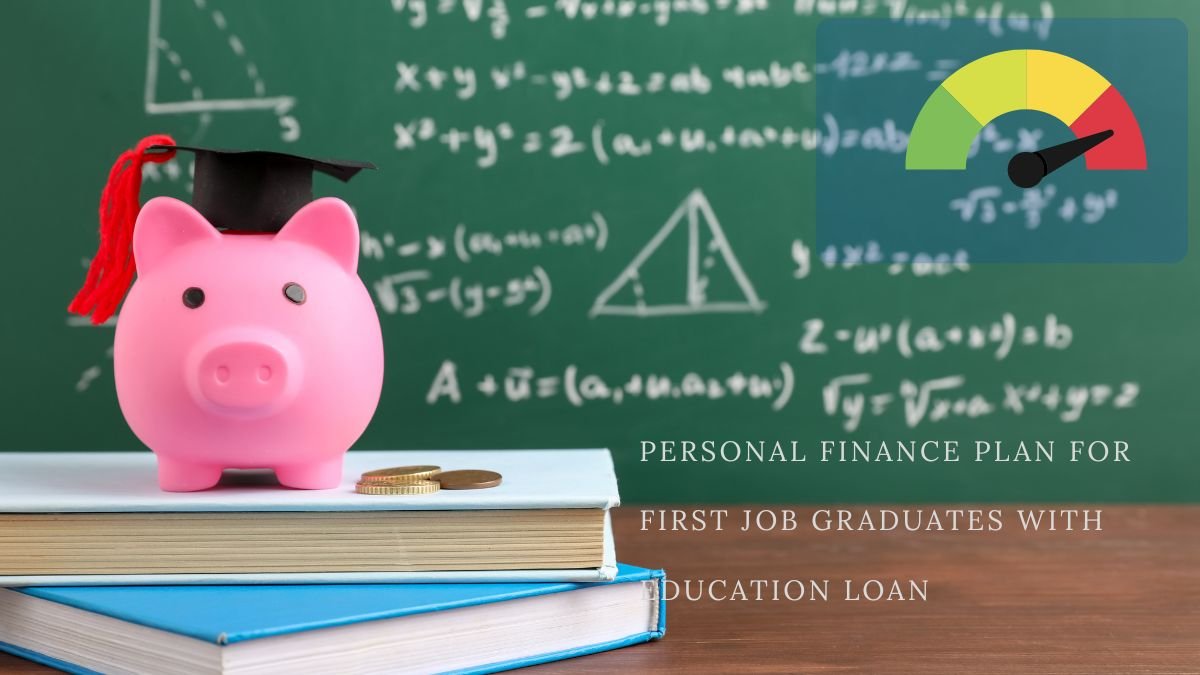
Personal Finance Plan For First Job Graduates With Education Loan
The debt of your student loans is a heavy burden immediately after graduation. The Plan 2 and the Plan 5 loans are directly out of your paycheck before you even get the money. This system assists, but it can be deceptive about the true amount of payment.
The initial employment months are a very important time to establish money habits that will last for decades. The decisions you make today in regard to saving, spending and investing are the stepping stones to your financial future.
You have no hurry to repay your student loan. The 30-40/year write-off would imply that many graduates will not be able to cover the entire cost. You can budget on how much you will earn at home and borrowed money, like taxes.
First Paycheck Breakdown Strategy
Your first salary feels amazing until you see all the deductions. You need to know that your take-home pay helps set money goals. Your gross salary gets smaller after tax, National Insurance, student loan payments, and pension contributions come out. Most graduates start with £26,000-£32,000, which means about £1,850 monthly after everything's taken out (based on a £28k salary).
The 50/30/20 rule is the best for new grads. You can put 50% toward needs, 30% for wants, and 20% into savings. This simple split makes budgeting less scary. You can watch out for lifestyle inflation. The new paycheck might tempt you to upgrade everything at once. You can start small with one treat rather than changing your whole lifestyle overnight.
You can also get short term loans on benefits. This can help bridge gaps during unexpected costs before building your emergency fund. They offer quick cash access during tight spots between paychecks. Some lenders work with people receiving benefits. The application process often takes minutes, not days. You'll find flexible repayment options.
Emergency Fund: Your First Priority
You can build your safety net before fancy holidays or designer clothes. You can aim for 3-6 months of essential costs. You can start small with £1,000 in your first six months of working. This money is your financial cushion if something goes wrong.
You can keep this cash in an easy-access savings account. You need to grab it quickly in true emergencies. You can set up a standing order that moves money to savings on payday before you can spend it.
Monthly Budget Framework
Housing Costs
Your rent will be your biggest expense. This will range from £500 to £900, depending on location. London and major cities cost more, while sharing flats cuts costs. You don't forget council tax, utilities, and broadband, which add another £100-£200 monthly. These fixed costs should stay under 50% of your take-home pay.
Transportation
Your commute adds up quickly. The public transport passes cost £100-£200 monthly in many areas. The owners of the cars incur increased expenses on car fuel, insurance and repairs. You may think of riding to work on shorter paths so as to save a bit of cash and maintain fitness.
Essential Bills
The phone packages are between £15 and £40 every month. SIM-only offers can be viewed in the case you already own a good phone. The insurance is required to cover your stuff at approximately 20-50 a month. Health insurance is not necessary with the NHS, but it may also be a valuable addition to a job benefit.
Food & Social
A single person spends up to £150-£250 a month on grocery shopping. Processing a batch of meal planning and cooking saves. The average spend on social among the graduates is between 100 and 200. This involves going out, going on coffee dates and spending weekends.
The fee for recycling and gym subscriptions, along with other operations, is added to the cost of streaming and gym subscriptions by a ratio of between £30 and £50. These are easily tracked down.
You can also get short-term loans on benefits for sudden costs like home repairs or essential appliance replacements. They work well alongside your budget plan during tight months.
The online application makes the process stress-free and quick. You'll find transparent fee structures with many providers. These loans can prevent small financial issues. Personal Care
Haircuts, toiletries, and clothes fall here, £30-£50 monthly. This category often gets overlooked in budgets but adds up fast. You can set a reasonable limit and track spending here just like your other categories.
Savings Goals
You save towards particular goals such as holidays, a car or a house deposit on top of your emergency fund. It is more rewarding to save with clear goals. Even small amounts grow when you stay consistent. You can consider setting up separate pots for different goals to track progress.
Should You Overpay on a Student Loan?
Most new grads shouldn't rush to overpay their student loans. The student loans have relatively low interest rates and income-based repayments. Your money might work harder in investments or an ISA. Most graduates won't repay the full amount before the 30-year write-off anyway.
You should only think about overpaying when you earn over £50k and when your balance on the loan is low, or you are near to paying off the entire loan. The Plan 5 loans (to Scottish students) also have lower thresholds and a longer repayment period.
Your student loan payments happen automatically through PAYE. The current threshold means you pay 9% of anything you earn above £27,295 (Plan 2). This feels less painful than manual repayments since you never see that money in your account.
You can track spending, avoid credit card debt, and save. Your small steps now create huge results. You focus on progress rather than perfection. Managing money after graduation feels complex, but breaking it down makes it manageable. You can focus first on:
- Understanding your paycheck
- Setting up an emergency fund
- Creating a workable budget
- Making smart choices
You can build these foundations now to set you up for financial success throughout your career.
Conclusion
Your home loans and student loans do not have the power to deny you a good life and wealth promotion. A very small amount, like an emergency fund, can get you off. Automatic payday savings help you to pay yourself first. You can also follow your monthly expenditure to know what exactly happens to your money.
You may save money in things which do not make you happy, but you may not deny yourself all pleasures. You are also able to review your plan periodically every few months and adapt to your changing income or objectives.







0 Comments