
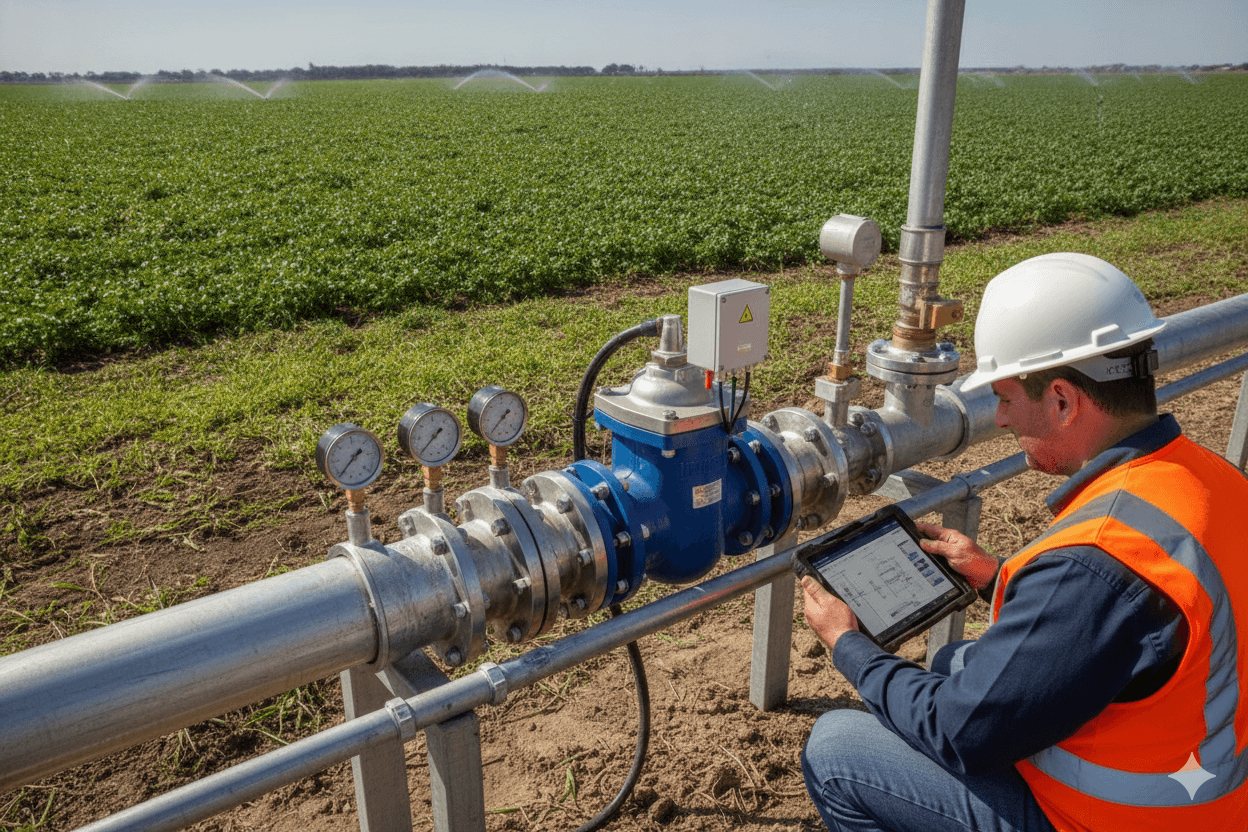
How to Select the Best Control Valve for Your Application
Managing water across a large property requires the right gear. You just need parts you can count on, that work quietly in the background. A control valve regulates water flow and pressure perfectly. It adjusts automatically to system demands so you never waste a single drop. Finding the perfect fit takes patience. You cannot simply grab any strong part off the shelf. You must match the equipment to your specific environment and daily tasks. The biggest mistake is ignoring basic technical specifications. People often buy tough equipment that simply does not match their exact pipe size or voltage setup. That terrible oversight causes frustrating leaks and costs serious money. Taking time to map out your exact needs before buying is the only solid strategy.
Identify Your System Requirements and Application
- Application Scope
You must carefully evaluate the specific physical location before making any final purchasing decisions today. A control valve works completely differently depending on where it sits during operation. Evaluating the different types of irrigation valve options is essential whether you are planning a massive agricultural field layout or a small network. Commercial water distribution requires very different mechanical set ups. Industrial pneumatics need very specific hardware to work properly.
- System Integration
Think through how new components will interact with your current systems. Most current systems depend on automation technology for efficiency. It is important that your technology fits in seamlessly with smart irrigation controllers.
- Environmental Factors
The surrounding environment heavily influences your final choice. Equipment sitting outside faces brutal weather conditions every single day. A unit meant for long-term outdoor or buried use needs incredible durability. The soil and constant moisture will destroy weak materials very quickly.
Choose the Right Valve Function
- Hydraulic & Electric Control Valves
Finding the specific mechanical function requires careful thought and thorough site analysis. A standard hydraulic control valve provides reliable automated operation across many different modern industries. They are the ultimate standard choice for excellent fluid flow regulation. Many of these robust models feature manual selectors for localised control when necessary. You can easily operate them by hand if the electronic system fails suddenly during a storm.
- Pressure Reducing Valves
Sometimes your network faces dangerous pressure levels that threaten pipe integrity. Pressure reducing models work to reduce excessive downstream pressure before it damages the infrastructure. This mechanical action prevents fragile infrastructure from breaking before its time. It also helps you keep water distribution uniform throughout the whole network.
- Pressure Sustaining Valves
The reverse problem occurs when upstream pressure suddenly drops with no warning. Pressure-sustaining models maintain stable upstream pressure regardless of what happens elsewhere. They keep things perfectly balanced even when flow demands fluctuate wildly. Large-scale setups absolutely depend on this delicate balancing act to function efficiently over time.
- Quick Pressure Relief Valves
A heavy pump starting up sends a destructive shockwave right through the pipes. Quick pressure relief models open instantly to release excess force safely. They slowly close back down once normal conditions return. We highly recommend these for protecting systems from damaging pressure surges. They actively prevent water hammer caused by pump start-ups or sudden flow changes.
Select Key Technical Specifications
- Body Material
The physical construction basically dictates how long the unit will survive in the real world. Selecting the proper material guarantees excellent long-lasting durability. You will quickly find that typical options include aluminium and cast iron for heavy industrial tasks. Nylon and UV-stabilised reinforced plastic are incredibly common for standard agricultural settings.
- Port Size and Connection
You must perfectly match the unit to your existing piping network. Valve port sizes can range widely from tiny one-eighth-inch options up to massive eight-inch flanged connections. Connections are readily available in specific thread types like BSPP or BSPT.
- Pressure Range
Different models handle entirely different physical forces during daily operation. You must ensure the equipment can handle the operating pressure safely. Valves come in varying pressure ratings such as 0.5 to 5 bar or 1 to 10 bar. Heavy-duty industrial models handle up to 16 bars, depending on the exact model you select.
- Electrical Requirements
Electronic models require you to match the voltage perfectly before installation. A simple error here ruins the expensive equipment instantly. You might need 12V DC or 24V AC for a standard agricultural setup. Instead, industrial facilities often use 110V AC or 220V AC.
Conclusion:
A trustworthy liquid system needs a lot of care and attention to each of its development stages. It simply will not work to purchase various components and hope for their flawless interaction. Real automation relies only on the compatibility of equipment with your particular environment. Being cautious saves you from future inconveniences. It seems to be a good time to take a step back and assess your current liquid flow management system. Conducting an inventory uncovers potential weak points that might lead to serious disasters.


0 Comments