
How To Get The Best Price For An Unwanted Vehicle
Selling an unwanted vehicle in Australia becomes easier and more profitable when you understand its value, prepare the right documents, compare offers, and choose the correct selling method. A clear process prevents underpricing and avoids delays.
If your car is old, damaged, unregistered, or simply no longer needed, you likely want two things: a fair price and a smooth transaction. Many vehicle owners accept the first offer without checking the market. That often leads to lost money.
This guide explains exactly how to secure the highest possible return for your unwanted vehicle in Australia. It covers valuation methods, legal steps in NSW, selling options, and common pricing mistakes. Let’s start with the most important factor: understanding what your vehicle is truly worth.
Understand Your Vehicle’s Real Market Value
Your vehicle’s market value depends on 6 main factors: make, model, year, condition, mileage, and demand for parts. Knowing these details prevents low offers.
Start by checking similar listings on Australian marketplaces such as Carsales and Gumtree. Compare vehicles with the same year, engine type, and condition. If your car has 180,000 km and visible panel damage, compare it only with vehicles in similar shape.
In Australia, the Australian Bureau of Statistics (ABS) reports that over 20 million registered motor vehicles operate nationwide. High supply in common models, such as Toyota Corolla or Mazda3, lowers resale prices. Rare models often hold stronger value.
Also check whether your car still runs. A running vehicle may sell privately for thousands more than a non-running vehicle. However, repair costs must be considered before deciding to fix anything. That leads to the next step: evaluating the condition honestly.
Assess Condition Before Setting A Price
An honest condition assessment protects you from unrealistic expectations and failed negotiations.
Check 5 areas carefully:
Exterior And Body
Look for rust, dents, faded paint, and accident damage. Even small scratches reduce resale value.
Interior Condition
Torn seats, damaged dashboard panels, or faulty electronics decrease buyer interest.
Mechanical Condition
Engine noise, transmission slipping, oil leaks, and ABS (Anti-lock Braking System) warning lights lower price significantly.
Registration Status
In NSW, an unregistered vehicle typically sells for less because the buyer must pay registration and inspection costs.
Odometer Reading
Vehicles exceeding 200,000 km often fall into lower pricing brackets.
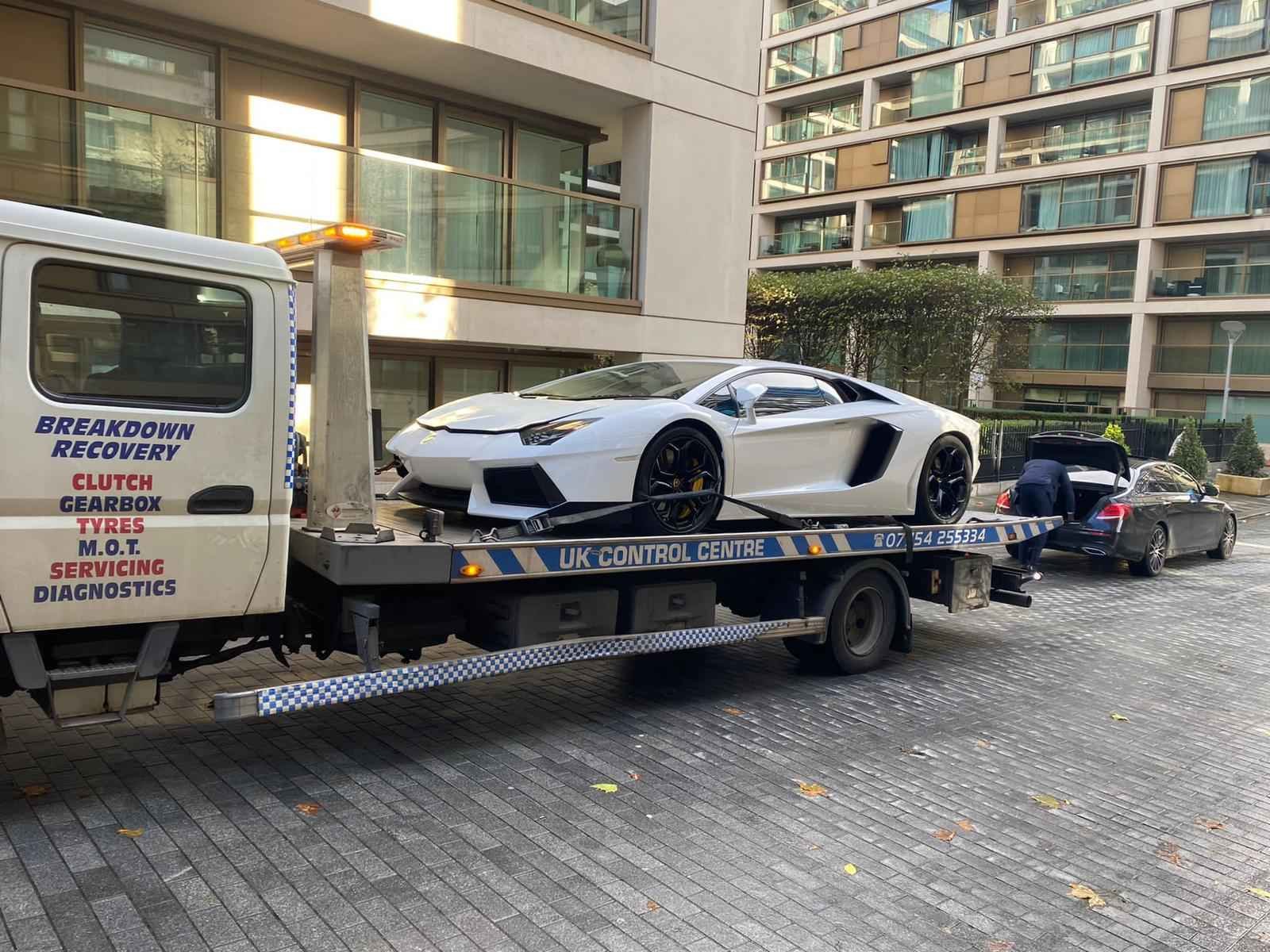
If the car has major accident damage or mechanical failure, professional Damaged car removal Sydney services often provide a realistic alternative because they assess vehicles based on weight, reusable parts, and scrap metal value rather than resale appeal.
Once you understand the true condition, the next step is deciding whether repairs increase or decrease your final return.
Decide Whether Repairs Increase Profit
Repairs increase profit only when the repair cost is lower than the price difference gained.
For example:
Replacing worn tyres for $600 may increase resale value by $1,200.
Replacing a failed transmission costing $3,500 rarely increases value by the same amount.
According to industry data in NSW, average minor repair costs range between $250 and $1,500. Major repairs exceed $3,000. If repair costs approach 50% of the vehicle’s value, selling as-is often makes financial sense.
Vehicle owners who compare private buyers, dealerships, and professional removal companies often discover that time, towing costs, and advertising expenses reduce final profit. That is why many sellers choose structured buyers.
In Sydney, companies like Cash For Cars Sydney are frequently mentioned in automotive discussions because they simplify the process for unwanted vehicles, including written-off and scrap cars. As a third-party observation, their valuation process focuses on condition, model demand, and recyclable components, which often suits sellers who want a clear and fast transaction without extended negotiations.
However, before choosing any buyer, you need to compare all available selling options carefully.
Compare All Selling Options In NSW
There are 4 main ways to sell an unwanted vehicle in Sydney. Each option offers different pricing structures.
| Selling Method | Average Sale Time | Potential Price | Effort Level | Suitable For |
|---|---|---|---|---|
| Private Sale | 2–6 weeks | Highest (if car runs well) | High | Registered, working cars |
| Dealership Trade-In | Same day | Moderate | Low | Upgrading vehicles |
| Auction | 1–3 weeks | Uncertain | Medium | Rare or collectible cars |
| Car Removal/Wreckers | 24–48 hours | Fair scrap-based price | Very Low | Damaged or non-running cars |
Private sales require advertising, inspections, and negotiations. Trade-ins provide convenience but lower prices. Auctions depend on bidder interest.
When vehicles are heavily damaged or written off, car wreckers Sydney NSW typically calculate value based on metal weight, reusable engines, catalytic converters, and gearbox demand. This method suits vehicles beyond economical repair.
Choosing the right selling path depends on your vehicle’s current state and your urgency.
Prepare The Right Documents To Avoid Delays
Proper documentation speeds up payment and protects you legally.
In NSW, you need:
Proof of identity (driver licence).
Vehicle registration papers.
Notice of Disposal submission to Service NSW.
Loan clearance confirmation (if applicable).
Failure to lodge a Notice of Disposal may leave you liable for toll fines or traffic penalties. This step is essential.
Organising documents before negotiations strengthens your position and avoids price reductions caused by incomplete paperwork.
Clean And Present The Vehicle Strategically
Simple presentation steps increase perceived value immediately.
Wash the exterior. Vacuum the interior. Remove personal items. Clear the boot. Fix small cosmetic issues such as broken light bulbs.
Professional detailing in Sydney costs between $150 and $350. Even a basic clean improves first impressions. Buyers associate cleanliness with good maintenance.
Take clear photos in daylight. Capture front, rear, sides, engine bay, dashboard, and odometer. Transparent listings attract serious buyers and reduce negotiation pressure.
Once presentation is complete, the focus shifts to negotiation strategy.
Use Smart Negotiation Techniques
Confident negotiation increases final price by 5% to 15% in many private sales.
Follow these 5 steps:
Set your asking price 5–10% higher than your minimum acceptable price.
Highlight service history and new parts.
Avoid emotional language.
Allow the buyer to inspect calmly.
Stay silent after stating your price.
If offers drop far below reasonable market value, decline politely. Serious buyers return with stronger offers.
When selling to structured buyers or removal services, request a written quote. Clear documentation reduces disputes during pickup.
Understand Scrap Metal Pricing In Australia
Scrap vehicle prices fluctuate based on metal markets.
As of recent NSW industry averages:
| Material Type | Average Price Per Tonne (AUD) |
|---|---|
| Steel | $250–$450 |
| Aluminium | $1,500–$2,500 |
| Copper | $8,000–$10,000 |
Most standard passenger vehicles weigh between 1.3 and 1.8 tonnes. Scrap value calculations depend on total recoverable metal and reusable components.
Catalytic converters alone may contain precious metals such as platinum and palladium. Their presence affects pricing.
Understanding these numbers prevents unrealistic expectations and strengthens negotiation confidence.
Avoid Common Pricing Mistakes
Vehicle owners lose money due to 4 common errors:
Accepting the first offer without comparison.
Overpricing based on emotional attachment.
Ignoring hidden costs like towing.
Failing to check registration cancellation refunds.
In NSW, unused registration can sometimes be refunded through Service NSW. This refund adds to your total return.
Small details like cancelling comprehensive insurance also prevent unnecessary charges.
Choose Timing Strategically
Seasonal demand affects price.
Convertibles sell better in summer. Four-wheel drives increase demand during winter. Small fuel-efficient vehicles remain stable year-round due to urban demand in Sydney.
End-of-financial-year periods also increase dealership promotions, affecting trade-in valuations. Timing your sale during strong demand cycles may increase offers.
Final Thoughts
Getting the best price for an unwanted vehicle in Australia depends on accurate valuation, honest condition assessment, smart selling method selection, and careful negotiation. Preparation reduces stress and increases return.
Vehicle owners who compare options, organise documents, and understand scrap pricing consistently achieve stronger results than those who rush the process.






0 Comments