
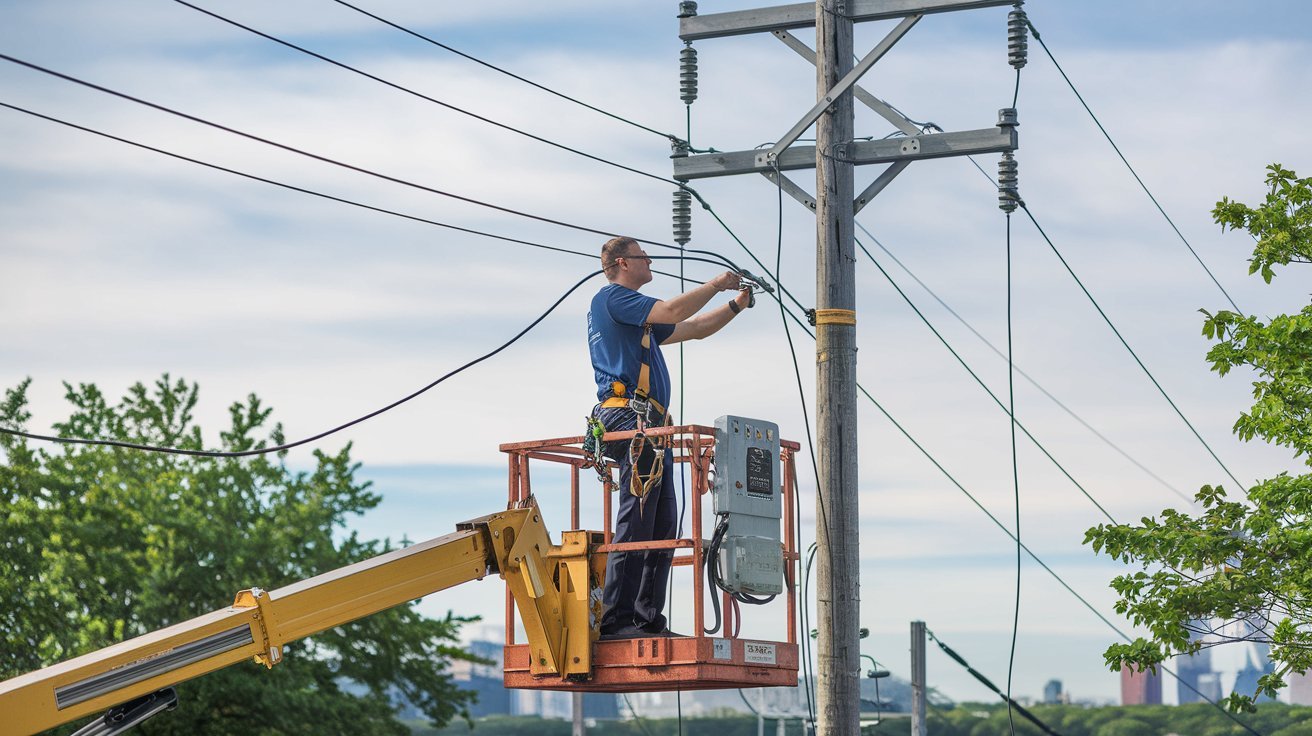
How Cable Testing Helps Protect Critical Power Assets
In the world of power generation and distribution, cables quietly carry the responsibility of keeping everything running. They are often hidden underground or behind systems, yet they form the backbone of critical power infrastructure. When a cable fails, the impact is immediate—operations stop, systems go down, and costs rise quickly.
This is why cable testing is not just a technical routine. It is a proactive strategy that protects valuable power assets and ensures long-term reliability.
The Silent Importance of Power Cables
Power cables connect every major component in electrical systems. From transformers to switchgear, they enable the flow of electricity across the entire network. Despite their importance, they are often overlooked because they are not always visible.
Over time, cables are exposed to stress, heat, moisture, and environmental conditions. These factors slowly weaken insulation and internal structure. Without proper monitoring, small issues can grow into serious failures.
Cable testing brings these hidden problems to light before they disrupt operations.
Why Cable Failures Are So Costly
A cable failure is more than just a technical fault—it can shut down an entire facility. In industries where continuous power is essential, even a short outage can lead to significant losses.
Repairing damaged cables is also time-consuming and expensive. In many cases, locating the exact fault can be challenging, especially for underground systems.
By detecting issues early, cable testing helps avoid these costly disruptions and keeps operations running smoothly.
Understanding How Cable Testing Works
Cable testing involves a series of diagnostic methods designed to evaluate the condition of electrical cables. These tests assess insulation strength, identify weak points, and detect early signs of damage.
Technicians use advanced tools to simulate operating conditions and measure how cables respond. This provides valuable insights into their health and performance.
Instead of waiting for a failure, testing allows engineers to act before problems escalate.
Early Fault Detection Saves Critical Assets
One of the biggest advantages of cable testing is its ability to detect faults at an early stage. Issues like insulation degradation, partial discharge, and moisture ingress often develop gradually.
If left unchecked, these problems can lead to sudden breakdowns. Early detection allows maintenance teams to fix issues before they cause damage to connected equipment.
This not only protects cables but also safeguards transformers, generators, and other critical assets.
The Role of MV Cable Services in Asset Protection
Medium voltage systems are widely used in industrial and power applications. The cables in these systems carry significant loads and are exposed to continuous stress.
Professional MV Cable Services play a key role in maintaining their reliability. These services include routine testing, condition monitoring, and fault analysis. By regularly assessing cable health, they help prevent unexpected failures.
Integrating these services into maintenance strategies ensures that critical power assets remain protected and operational.
Improving System Reliability Through Testing
Reliability is the foundation of any power system. When cables perform consistently, the entire system becomes more stable.
Cable testing improves reliability by ensuring that all components are functioning as expected. It reduces uncertainty and provides confidence in system performance.
With reliable cables, power systems can operate without interruptions, supporting productivity and efficiency.
Enhancing Safety Across Electrical Systems
Faulty cables can pose serious safety risks. Electrical faults may lead to short circuits, arc flashes, or even fires. These hazards can endanger both personnel and equipment.
Cable testing helps identify potential risks before they become dangerous. By ensuring that insulation and connections are in good condition, it creates a safer working environment.
Safety is not just about compliance—it is about protecting lives and infrastructure.
Supporting Preventive Maintenance Strategies
Traditional maintenance approaches often rely on fixed schedules. However, this can lead to unnecessary work or missed issues.
Cable testing supports a preventive maintenance approach. It provides real-time data on cable condition, allowing maintenance to be planned based on actual needs.
This targeted approach reduces downtime and ensures resources are used efficiently.
Extending the Lifespan of Power Assets
Replacing power cables is a costly and complex process. Extending their lifespan is essential for maximizing investment.
Regular testing helps maintain cable health by identifying stress points and addressing them early. This reduces wear and tear and prevents premature failures.
By keeping cables in optimal condition, testing extends the life of the entire power system.
Reducing Downtime and Operational Risks
Downtime is one of the biggest challenges in power-dependent industries. Unexpected failures can disrupt operations and impact productivity.
Cable testing minimizes these risks by ensuring that cables are always in good condition. It allows engineers to fix problems during planned maintenance rather than during emergencies.
This leads to smoother operations and better overall performance.
Adapting to Modern Power Demands
Today’s power systems are more complex than ever. With increasing demand and advanced technologies, the need for reliable infrastructure has grown significantly.
Cable testing helps systems adapt to these demands. It ensures that cables can handle higher loads and operate efficiently under changing conditions.
This adaptability is essential for meeting modern energy requirements.
Building a Culture of Proactive Maintenance
Organizations that prioritize cable testing often develop a proactive maintenance culture. Instead of reacting to failures, they focus on prevention.
This mindset leads to better decision-making and improved system performance. Teams become more aware of potential risks and take action before issues arise.
Over time, this approach creates a more resilient and reliable power system.
Conclusion
Cable testing is a powerful tool for protecting critical power assets. It goes beyond routine checks and provides valuable insights into system health.
By detecting faults early, improving reliability, and enhancing safety, testing ensures that power systems operate efficiently. It reduces downtime, extends equipment life, and supports long-term success.
In a world where power reliability is essential, cable testing is not an option—it is a necessity. It safeguards the infrastructure that keeps industries running and communities powered.


0 Comments