
Energy Efficiency and Insulation in Steel Front Doors
Energy efficiency has become an important consideration in the housing industry. Higher energy use, rising costs, and changing weather conditions have increased the need for better insulation in housing products. Entrance doors matter because heat often enters or escapes through access points. Poor insulation at this stage affects indoor comfort and increases reliance on artificial heating or cooling. A well-insulated entrance door supports temperature control and helps manage energy use more effectively. Steel-based entrance doors have gained attention because engineered construction and controlled manufacturing support reliable insulation performance when applied correctly.
Why Energy Efficiency in Entrance Doors Matters
An entrance door separates the indoor space from the outdoor environment. When insulation quality is low, warm air escapes during cooler periods and outdoor heat enters during warmer months. This imbalance forces heating and cooling systems to work harder. Over time, energy use increases and indoor comfort becomes harder to maintain. Effective insulation limits heat movement and supports stable indoor conditions. In housing projects, improving insulation at entrance points often delivers visible energy efficiency benefits without requiring changes to the overall building structure.
Material Properties That Support Insulation in Steel Doors
Steel provides strength and dimensional stability, which supports accurate manufacturing. When combined with insulated cores and controlled fabrication, steel doors deliver predictable thermal performance. Steel front doors benefit from uniform construction that reduces gaps and uneven surfaces. This consistency allows insulation materials to perform evenly across the door panel. Strong materials also support precise sealing, helping insulation systems remain effective over long periods of use in housing environments.
Internal Core Insulation and Thermal Barriers
Insulated steel doors use internal core materials that slow down heat transfer. These cores usually contain dense insulation that limits temperature movement between indoor and outdoor surfaces. Layered construction adds an extra thermal barrier, which further reduces heat flow. This method improves energy efficiency without increasing door thickness beyond practical limits. Factory-controlled assembly ensures consistent insulation quality and reduces variation that can affect long-term thermal performance.
Airtight Sealing and Its Role in Energy Efficiency
Insulation performs effectively only when air movement around the door remains controlled. Even small gaps can reduce insulation performance if air passes through the edges of the door frame.
Key sealing factors that influence energy efficiency include:
- Continuous gaskets that reduce unwanted airflow around the perimeter
- Accurate alignment between the frame and door panel to prevent leakage
- Durable sealing materials that retain shape and performance over time
Together, these elements limit drafts, support stable indoor temperatures, and help insulation systems perform as intended in housing settings.
Performance Across Varying Climate Conditions
Housing across India experiences different climate conditions, including heat, humidity, and seasonal cooling. Insulated steel entrance doors perform reliably across these variations when designs account for temperature changes and material movement. Stable insulation supports indoor comfort during both warm and cooler periods. Steel front doors with engineered insulation systems help reduce energy use while maintaining consistent indoor conditions throughout the year.
Integration With Other Insulated Door Systems
Energy efficiency improves when all openings within a housing structure follow similar insulation standards. Entrance doors often operate alongside other fenestration products, making coordination important from an insulation perspective.
Effective integration focuses on:
- Maintaining consistent thermal performance across all openings
- Reducing the temperature imbalance between the entrance doors and the nearby systems
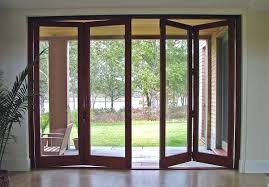
- Supporting continuity when layouts include insulated formats, such as folding doors
This approach ensures that insulation performance remains balanced across the housing layout.
Insulation Challenges in Large and Movable Door Formats
Large and movable door systems introduce additional insulation challenges due to joints, panels, and operational movement. Addressing these challenges requires careful design rather than changes in material alone.
Common insulation challenges include:
- Heat loss at joints and connection points
- Maintaining insulation during repeated opening and closing
- Preserving thermal performance without affecting smooth operation
In housing layouts that include folding doors, precise manufacturing and correct fitting help balance usability with insulation needs.
Installation Accuracy and Its Impact on Insulation Performance
Installation quality directly affects insulation results. Even well-designed doors can lose efficiency if alignment or sealing suffers during fitting. Factory-prepared components reduce on-site variation and support accurate installation. Correct fitting allows insulated cores and sealing systems to function as intended. Over time, proper installation helps maintain insulation performance and prevents unnecessary energy loss caused by misalignment.
Conclusion
Energy efficiency in housing products depends on material quality, insulation design, and installation accuracy. Insulation performance in steel entrance doors results from the combined effect of insulated cores, airtight sealing, and controlled manufacturing. When these elements work together, entrance doors support indoor comfort and help reduce energy use across different climate conditions. Understanding insulation principles enables informed decisions that support long-term efficiency, comfort, and practical performance in housing environments.










0 Comments