
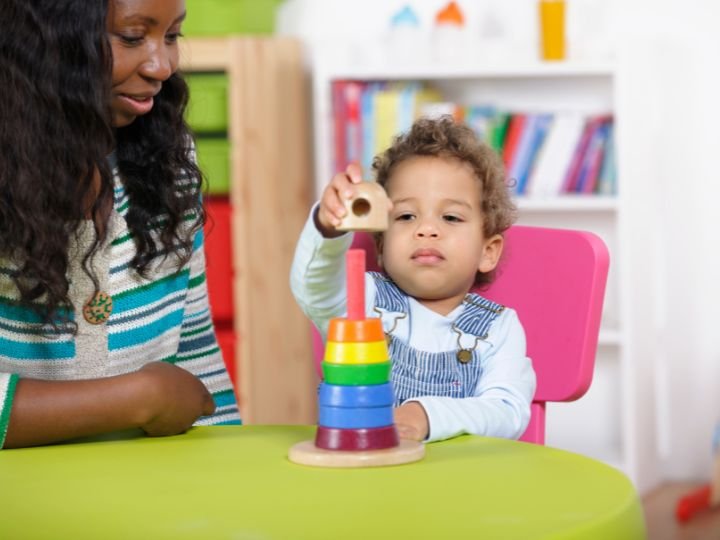
10 Effective Approaches in the Treatment of Global Developmental Delay
When a child is not reaching developmental milestones at the expected pace, it can feel overwhelming for families. Global developmental delay affects multiple areas of development, including communication, movement, social skills, and learning. The good news is that early and well-planned support can make a meaningful difference. Choosing the right treatment for global developmental delay is not about a single solution. It is usually a combination of strategies tailored to a child’s individual needs. Below are ten practical and evidence-informed approaches that families across Australia often explore as part of a comprehensive support plan.
Understanding Global Developmental Delay
Global developmental delay is typically identified in early childhood when a child shows significant delays in two or more developmental areas. These may include:
- Speech and language
- Gross and fine motor skills
- Cognitive development
- Social and emotional skills
- Daily living abilities
Assessment is generally carried out by qualified professionals who may use structured developmental tools and observation. In Australia, organisations such as the Raising Children Network provide reliable guidance for families seeking information.
Early identification opens the door to early intervention, which is widely recognised as a key factor in improving outcomes.
1. Early Intervention Programs
Early intervention services are designed specifically for children under school age who show developmental delays. These programs focus on building skills through structured play, guided learning, and family involvement.
Professionals work closely with parents to set realistic goals and create practical strategies that can be used at home. Early intervention is often considered the foundation of effective global delay development treatment because it targets brain development during a critical period.
2. Speech and Language Support
Communication challenges are common in children with global developmental delay. Speech and language support helps children improve:
- Understanding of language
- Expressive communication
- Social interaction skills
Sessions may include play-based communication tasks, visual supports, and parent coaching. Families are encouraged to practise strategies consistently at home to reinforce progress.
3. Occupational Support for Daily Skills
Occupational support focuses on helping children develop everyday skills such as:
- Dressing and feeding
- Fine motor coordination
- Sensory processing
- School readiness tasks
Professionals assess how a child responds to sensory input and daily routines, then design practical activities to build independence and confidence.
4. Physiotherapy for Movement and Strength
Gross motor delays can affect balance, coordination, and muscle tone. Physiotherapy helps children develop:
- Core strength
- Walking and running skills
- Postural control
- Coordination
Activities are often play-based and tailored to a child’s current abilities. Regular practice can support improved mobility and participation in everyday activities.
5. Behavioural and Social Skills Support
Some children with global developmental delay may struggle with emotional regulation or social interaction. Behavioural support aims to:
- Build positive behaviour patterns
- Strengthen social understanding
- Improve self-regulation
Structured strategies, visual schedules, and predictable routines can help children feel secure and engaged.
6. Family Centred Coaching
Family involvement is a powerful element in any treatment plan. Rather than focusing solely on sessions, professionals often provide coaching that empowers parents to:
- Integrate learning into daily routines
- Support communication during play
- Reinforce positive behaviours
When strategies are embedded into everyday life, progress is more likely to be consistent and sustainable.
7. Educational Support and Individual Plans
As children approach preschool or primary school, collaboration with educators becomes essential. Individual learning plans can include:
- Adjusted classroom expectations
- Visual learning aids
- Extra support time
- Structured transitions between tasks
Australian schools often work alongside families and support teams to ensure children can participate meaningfully in learning environments.
8. Assistive Technology and Visual Supports
Technology can be a helpful addition to a broader support plan. Depending on the child’s needs, this may include:
- Communication devices
- Visual timetables
- Interactive learning apps
Assistive tools do not replace human support but can enhance communication and independence when used thoughtfully.
9. Social and Community Programs
Community-based programs offer opportunities for children to practise skills in real-world settings. These might include:
- Playgroups
- Structured activity classes
- Inclusive sports programs
Participation helps children develop confidence, social awareness, and practical skills beyond structured sessions.
Families can explore options through organisations like the National Disability Insurance Agency, which oversees the National Disability Insurance Scheme in Australia.
10. Ongoing Monitoring and Review
Development is not static. Children grow, change, and respond differently over time. Regular review meetings allow professionals and families to:
- Reassess goals
- Adjust strategies
- Track progress
- Introduce new supports when needed
Flexibility ensures that the treatment plan continues to match the child’s evolving needs.
How to Choose the Right Approach
There is no one-size-fits-all pathway. The most effective treatment for global developmental delay is personalised. When evaluating options, consider:
- Your child’s specific strengths and challenges
- The qualifications and experience of professionals
- The level of family involvement encouraged
- Evidence supporting the approach
It is also helpful to seek services that value collaboration between families, educators, and support providers.
The Importance of Early and Consistent Support
Research consistently shows that early and structured support can improve developmental outcomes. While every child progresses at their own pace, consistent engagement often leads to meaningful gains in communication, independence, and social participation.
Parents sometimes feel pressure to find a quick solution, but progress usually happens gradually. Small steps forward, when supported consistently, can add up over time.
Summary
Finding the right treatment for global developmental delay involves a combination of early intervention, communication support, movement-based programs, family coaching, and educational collaboration. No single approach works for every child, which is why personalised planning is essential. When families explore global delay development treatment options early and remain actively involved, children often gain valuable skills that support daily life and learning. A well-coordinated treatment for global developmental delay focuses on building strengths, encouraging participation, and adapting strategies as the child grows. With informed guidance, practical strategies, and consistent support, families can feel confident navigating the journey and helping their child reach their full potential.







0 Comments