
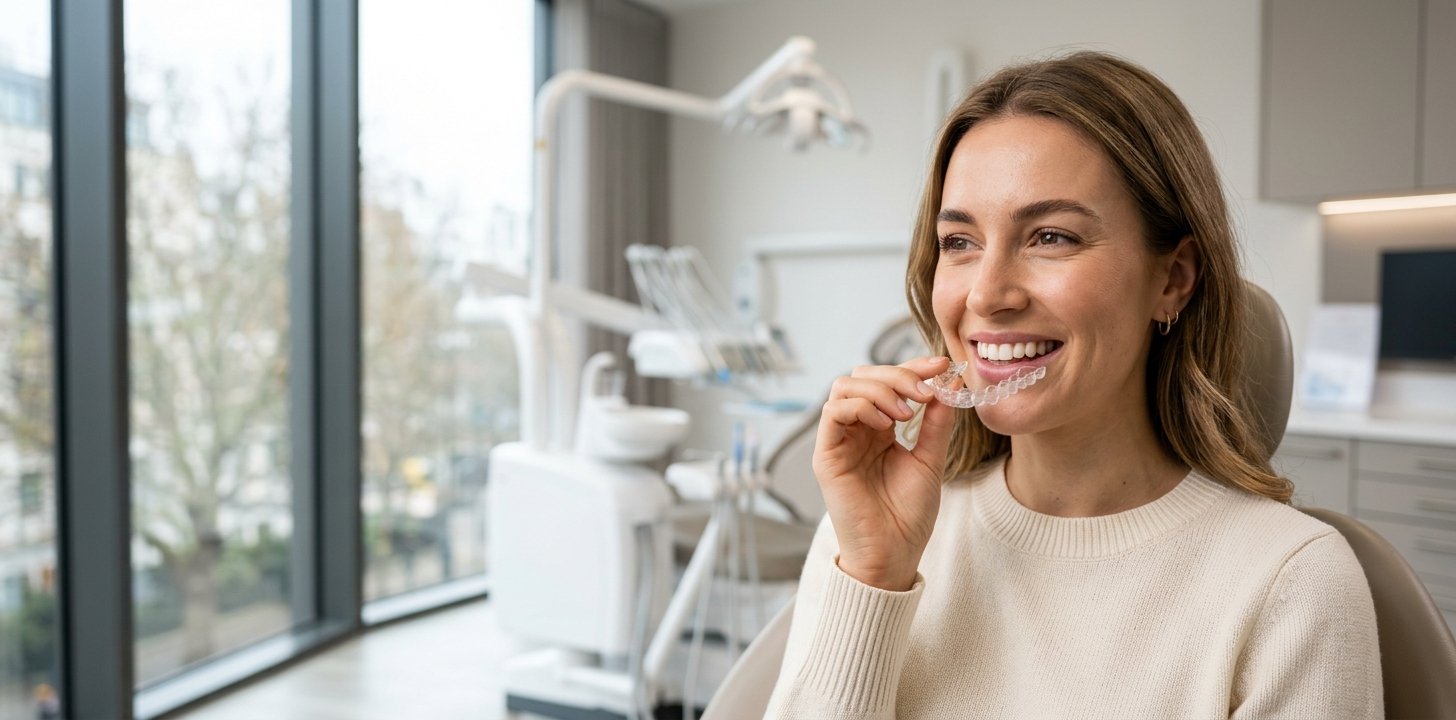
How Teeth Aligners Can Support a More Comfortable Smile Journey
Introduction
A straighter smile can improve confidence, but the treatment process should also fit comfortably into everyday life. Meals, work, social activities, travel, and regular oral hygiene continue throughout orthodontic treatment, so convenience can make a meaningful difference.
Teeth aligners offer a discreet and removable approach for patients whose orthodontic needs are suitable for this type of treatment. With custom-made trays, professional monitoring, and consistent daily care, patients can work toward a straighter smile without making major changes to their normal routine.
Understanding How Teeth Aligners Work
Teeth aligners are custom-designed trays that apply controlled pressure to selected teeth. Rather than using fixed brackets and wires, treatment typically involves a series of trays, with each one designed for a particular stage of tooth movement.
Before treatment starts, a dental or orthodontic professional evaluates the patient's teeth, bite, and overall oral condition. Digital scans, photographs, impressions, and other diagnostic information may be used to develop an individualized plan.
A typical treatment process may include:
- An initial dental or orthodontic examination
- Digital scans or impressions
- A personalized tooth-movement plan
- Several sets of custom trays
- Regular progress assessments
The number of trays and treatment duration vary from one patient to another. Minor spacing may require a different plan from significant crowding or more complicated bite concerns.
Why Removable Treatment Can Feel More Convenient
One of the main differences between aligners and traditional braces is their removable design. Patients can generally take the trays out when eating and during certain daily activities, allowing familiar routines to continue with fewer adjustments.
For example, someone attending a business meeting may not have to feel that orthodontic hardware is dominating their appearance. Similarly, a person going out for dinner can remove the trays before eating and return them afterward.
That flexibility can make treatment easier to incorporate into a busy schedule. However, removable does not mean optional. The trays need to be worn according to the recommended schedule for the treatment to progress as planned.
Clear Orthodontic Aligners and Appearance
The visual appearance of an orthodontic appliance is an important consideration for many patients. Clear orthodontic aligners are designed to fit closely over the teeth and remain relatively discreet during normal conversations and daily activities.
Unlike traditional metal braces, clear trays do not use prominent brackets and wires. This can be appealing to people who regularly attend meetings, speak with customers, participate in presentations, or simply prefer a less noticeable treatment option.
The trays are not completely invisible, and their appearance can vary depending on the material, fit, and whether attachments are needed. Still, their subtle design allows orthodontic treatment to become a smaller part of the overall appearance.
Eating and Drinking During Treatment
Food-related changes are another area where removable trays can provide convenience. Patients generally remove their aligners before eating, which means they can enjoy meals without navigating around fixed orthodontic components.
Once a meal is finished, cleaning the teeth before putting the trays back in can help maintain good oral hygiene. This simple step becomes especially important because the trays sit closely against the teeth.
Water is typically the easiest beverage to consume while wearing aligners. Other drinks may contain sugar, acids, or coloring that can affect oral health or stain the trays.
Patients should follow the instructions provided by their dental professional because recommendations can vary between treatment systems.
Keeping Aligners Clean
Keeping both the teeth and trays clean is an important part of a comfortable orthodontic routine. Food particles and plaque can create problems when oral hygiene is neglected.
Since aligners are removable, patients can brush and floss without having to work around brackets or wires.
Useful daily habits include:
- Brushing regularly with fluoride toothpaste
- Flossing between the teeth
- Rinsing trays after removal
- Cleaning aligners according to professional instructions
- Keeping trays in their protective case when they are not being worn
Very hot water should generally be avoided unless specifically recommended by the manufacturer or dental professional. Excessive heat may affect the shape of some aligner materials.
Understanding Ortho Aligners and Treatment Planning
The term ortho aligners is often used when discussing clear orthodontic tray systems. However, successful treatment involves much more than simply wearing a series of plastic trays.
Every smile has different characteristics. Crowding, spacing, tooth rotation, bite relationships, gum health, and previous dental work can all influence the treatment approach.
A professional assessment helps determine whether aligners are appropriate and what type of movement can reasonably be achieved.
What Is Considered Before Treatment?
During an orthodontic assessment, the provider may consider several factors, including:
- The position and spacing of the teeth
- The patient's bite
- Existing dental restorations
- Gum and oral health
- The amount of movement required
- The expected response to treatment
This information helps create realistic expectations before the first tray is introduced.
Choosing an Aligner for Teeth
People searching for an aligner for teeth may find a wide range of options online. Price, appearance, and advertised treatment time can all seem attractive, but these factors should not replace professional evaluation.
Orthodontic movement needs to be carefully planned. A treatment approach that works well for one person may not be appropriate for someone else, even if their smiles appear similar.
Questions to Ask Before Starting
A consultation is a useful opportunity to understand the full treatment process. Patients can ask:
- What problem is the treatment intended to correct?
- How long might treatment take?
- How many hours should the trays be worn?
- Will attachments or other components be needed?
- How often are follow-up visits required?
- What should happen if a tray is lost or damaged?
Having clear answers can make the treatment experience more predictable.
Getting Used to a New Tray
A new aligner may feel tighter than the previous one because it is designed for the next stage of tooth movement. Some pressure or mild sensitivity can occur while the mouth adjusts.
Patients should pay attention to how the trays fit. If an aligner does not seat properly, causes significant irritation, or creates unusual discomfort, professional advice should be requested.
Trying to force a damaged or poorly fitting tray into position is not a good solution. A dental or orthodontic professional can determine whether the issue is related to the tray, tooth movement, or another concern.
Consistency Makes Treatment Easier
The convenience of removable aligners comes with an important responsibility: patients have to remember to wear them.
Because the trays can be removed, it is easy to leave them out longer than recommended. Repeatedly doing so can affect the planned progression and may extend the treatment process.
Simple habits can help make consistent wear easier:
- Keep the case with you whenever you leave home
- Put the trays back in after meals and cleaning
- Follow the recommended tray-change schedule
- Keep track of your current tray
- Attend scheduled follow-up appointments
After a while, these steps can become part of the normal daily routine rather than feeling like an additional task.
Fitting Orthodontic Treatment Around Work and Social Life
One reason patients consider clear aligners is that they can fit into a wide range of lifestyles. People who communicate frequently at work may appreciate a less noticeable appliance, while those with busy schedules can maintain many familiar routines.
Meetings, presentations, dinners, photographs, and social gatherings do not necessarily need to stop during treatment. The trays can be managed discreetly while still following the prescribed wear schedule.
The key is preparation. Carrying an aligner case and basic dental-care supplies can make unexpected meals or schedule changes easier to handle.
Traveling With Aligners
Travel is another situation where preparation can make orthodontic care simpler. Since the trays are removable and compact, they can generally be carried without much difficulty.
A basic travel kit may include:
- Protective aligner case
- Toothbrush and toothpaste
- Dental floss
- Recommended cleaning supplies
- Additional trays if instructed by the provider
Patients should avoid placing trays in tissues or loose compartments where they can be accidentally thrown away or damaged.
Before a long trip, it is also useful to know what to do if an aligner is lost. The safest approach is to contact the treating provider rather than deciding independently which tray to use next.
Professional Guidance Can Improve the Experience
Although aligners are designed for convenience, professional oversight remains an important part of treatment. Tooth movement should be monitored to make sure the teeth are progressing according to the planned sequence.
For patients looking for guidance throughout treatment, angle aligners can be discussed as part of the broader range of orthodontic considerations, with the appropriate approach depending on the individual's dental needs.
Follow-up visits also provide an opportunity to discuss tray fit, oral hygiene, discomfort, treatment timing, and any changes that may be needed.
Common Mistakes to Avoid
Small daily habits can influence how smoothly treatment progresses. Since aligners are removable, patients may sometimes underestimate the importance of proper handling.
Common mistakes include:
- Leaving trays out for extended periods
- Eating while wearing them when instructed not to
- Forgetting to clean the trays
- Wrapping them in napkins during meals
- Exposing them to excessive heat
- Continuing to use a damaged tray without advice
Another mistake is trying to accelerate treatment by changing trays earlier than instructed. Tooth movement follows a planned sequence, and changing trays too quickly can create unnecessary problems.
Making the Daily Routine More Comfortable
A comfortable treatment experience often comes down to organization. Patients who establish a simple routine from the beginning may find it easier to stay consistent.
For example, an aligner case can remain in the same location at home, while a second case can be kept in a work or travel bag. Having a toothbrush and floss available can also make post-meal cleaning more convenient.
It is equally important to listen to the mouth. Mild pressure can be expected with tooth movement, but persistent pain, significant irritation, or an unusual change in tray fit deserves professional attention.
Comfort should not be measured only by how an appliance feels. Knowing what to expect, having access to professional support, and understanding the treatment schedule can make the entire process feel more manageable.
What Happens After the Final Tray?
Finishing the active aligner sequence is an important milestone, but orthodontic care does not necessarily end there. Teeth can gradually shift after treatment, which is why retention is commonly part of the long-term plan.
A retainer helps maintain the positions achieved during active treatment. The type of retainer and recommended wearing schedule will depend on the patient's individual circumstances.
Long-term care may involve:
- Wearing retainers according to professional instructions
- Cleaning retainers regularly
- Replacing damaged retainers when necessary
- Attending recommended dental appointments
- Maintaining consistent brushing and flossing
Thinking about retention from the beginning helps patients understand that maintaining a straighter smile is an ongoing commitment.
Are Aligners Right for Everyone?
Aligners can be an effective option for many orthodontic concerns, but they are not automatically suitable for every patient. Some complex movements or bite conditions may require traditional braces or another treatment method.
This is why online comparisons and general treatment claims should be approached carefully. An option that produced good results for one person may not provide the same solution for another.
A professional examination can determine whether aligners are appropriate and whether the expected results are realistic.
Building a Better Orthodontic Experience
Modern orthodontic treatment offers more flexibility than many patients expect. Removable trays can make certain parts of daily life easier, but the best results still depend on responsible care and consistency.
Patients should understand how to wear and clean their trays, keep up with appointments, protect their aligners when they are removed, and follow the prescribed treatment sequence.
A little preparation can prevent many common inconveniences. With the right habits, orthodontic care can become a manageable part of an ordinary routine rather than something that constantly demands attention.
Conclusion
Teeth aligners can support a more comfortable smile journey by combining a discreet appearance with a removable design that works around many everyday activities. For patients who are suitable candidates, they can make eating, oral hygiene, work, travel, and social occasions easier to manage during orthodontic treatment.
The convenience of aligners does not remove the need for professional care. Consistent wear, proper cleaning, regular monitoring, and a suitable retention plan all contribute to a more predictable experience.
Anyone considering clear orthodontic aligners, ortho aligners, or an aligner for teeth should begin with a professional assessment. With an individualized plan and sensible daily habits, modern aligner treatment can provide a practical way to work toward a straighter smile while keeping everyday life moving normally.
Frequently Asked Questions
How long should I wear teeth aligners each day?
The recommended daily wear time depends on the treatment plan and aligner system. Patients should follow the specific instructions provided by their dental or orthodontic professional.
Can I eat while wearing clear orthodontic aligners?
Aligners are generally removed before eating. After meals, cleaning the teeth and trays as instructed helps support good oral hygiene.
Are ortho aligners noticeable?
They are designed to be discreet and usually less visually prominent than traditional braces. Their exact appearance can vary depending on the tray and treatment plan.
What if my aligner no longer fits properly?
Do not force the tray into place. Contact your dental or orthodontic provider so the fit can be assessed and the appropriate next step can be recommended.
Do aligners require professional monitoring?
Yes. Regular monitoring helps determine whether tooth movement is progressing as planned and allows potential problems to be addressed early.
Are retainers needed after aligner treatment?
Retainers are commonly recommended to help maintain the positions achieved during treatment. Your provider can explain the appropriate retainer and wearing schedule.









0 Comments